The signing of the Japanese surrender on 2 September 1945 aboard the battleship USS Missouri marked the formal end of the Pacific War.

With the 80th anniversary pending, it is timely to reflect on the implications the war had for our society. My father was one of the many veterans.
Many of us have seen images of photo journalists and newsreel cinematographers of people dancing and cheering in the streets of our state capitals in 1945. They are familiar symbols of a renewed optimism. The baby boom, as it was known, was a product of this renewed positive outlook and to many rekindled romances.
Part of this social change was a mass of anecdotal nostalgia that veterans shared with families and mates. Some was confronting and some challenging. Most remembered not only their experiences but the mateship, the heart of which lay in the Anzac spirit emanating from the Gallipoli campaign some 30 years earlier.
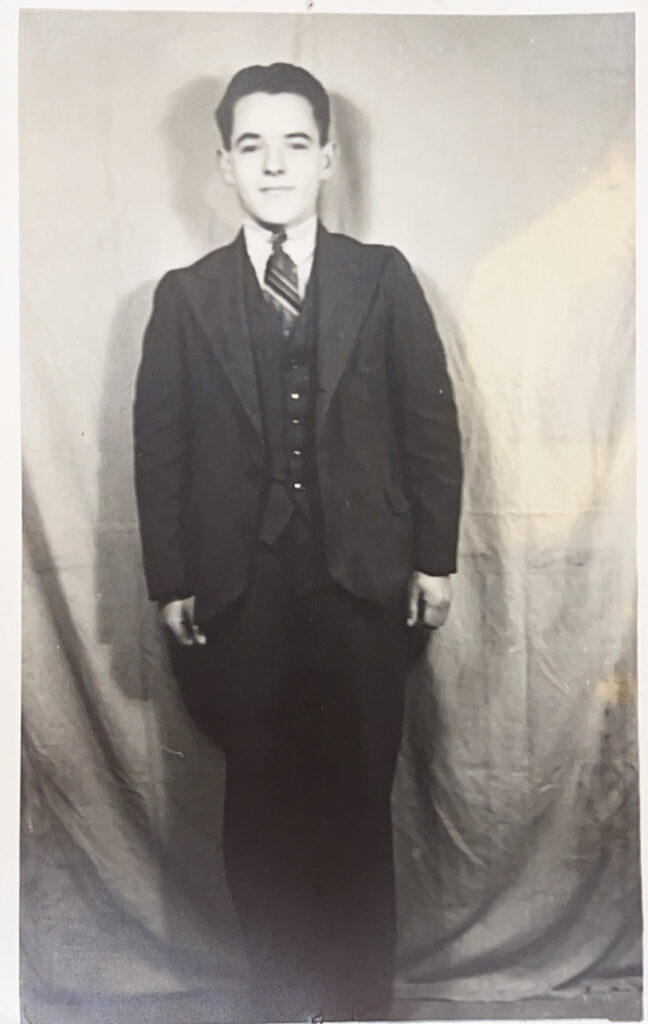
Sadly, not many WWII veterans remain with us. My late father, George Carey who died in 1982, would have now been 101. He was one of the youngest to sign up in 1942. He was working as an apprentice mechanic at Victor Gill’s garage on the corner of Main Road and Gavitt St in the Hobart suburb of Glenorchy when war broke out.
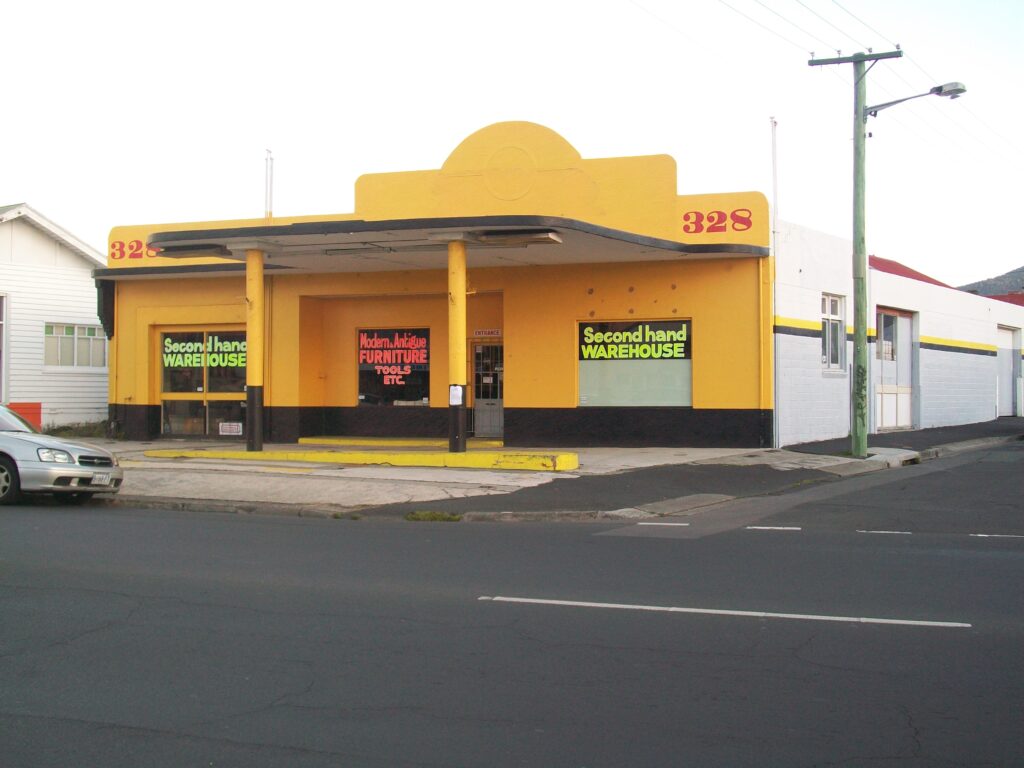
He always said that Victor was a great boss. It was a respect he maintained for all his life. The garage was commandeered by the military, with Victor instantly becoming a sergeant in his own business. The military, recognizing George’s trade skills, arranged for him to finish his apprenticeship with Co-Operative Motors before he left for overseas.
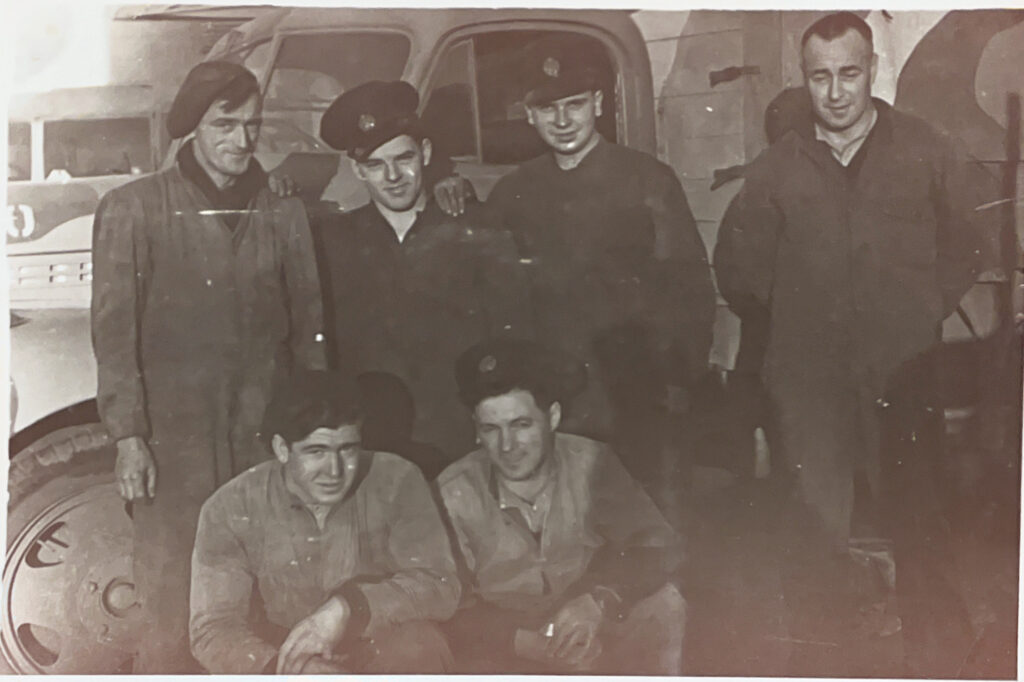
In the 1940’s there was no television technology to beam images of war into our living rooms as we experienced some two decades later with the Vietnam War. George admitted he and many of his mates did not have a realistic concept of the unforgiving horrors to be found in the Pacific, mainly Borneo and New Britain. To them it was perceived as an emerging adventure and many not yet 18 would lie about their age to enlist.
George was always willing to share his anecdotes with my siblings and I as we grew up. He served in the Royal Australian Air Force where he rose to the rank of corporal. He recalled a young native boy in New Britain named Japara who was always ready to climb trees to get bananas for servicemen; a gesture of appreciation for them being there.
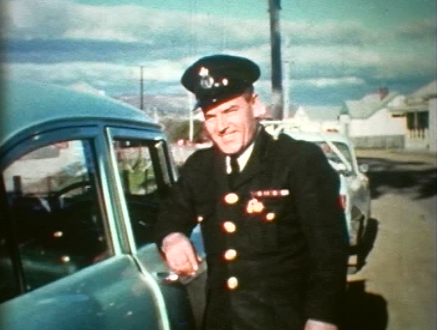
George recalled an experience when he was ‘riding shotgun’ with his Thompson machine gun in a GMC water truck. He was perched outside the roof hatch when a Japanese sniper in a tree took a shot at him. The bullet lodged in the cabin between himself and the driver. The sniper lost his foot hold and fell out of the tree. George anticipated a fight to the death only to witness a fellow Australian emerge from a ditch in the road and kill the sniper. He turned to George saying, “I’ve been waiting in that ditch nearly all day for him to move. He killed my mate this morning.”
In the tropics, when it rains it rarely drizzles. It manifests as torrential down powers lasting all but a few minutes. It was common practice for the servicemen in the hot steamy jungles to go for days without showering and a sudden downpour was a welcome relief and a chance to shed clothing, grab soap, lather up and rinse off before the rain ceased.
George’s most vivid memory of one such occasion was when the unit was set upon by a flight of Japanese Zero fighters which seemed to appear from nowhere. He jumped into his trench wearing nothing but his tin hat.
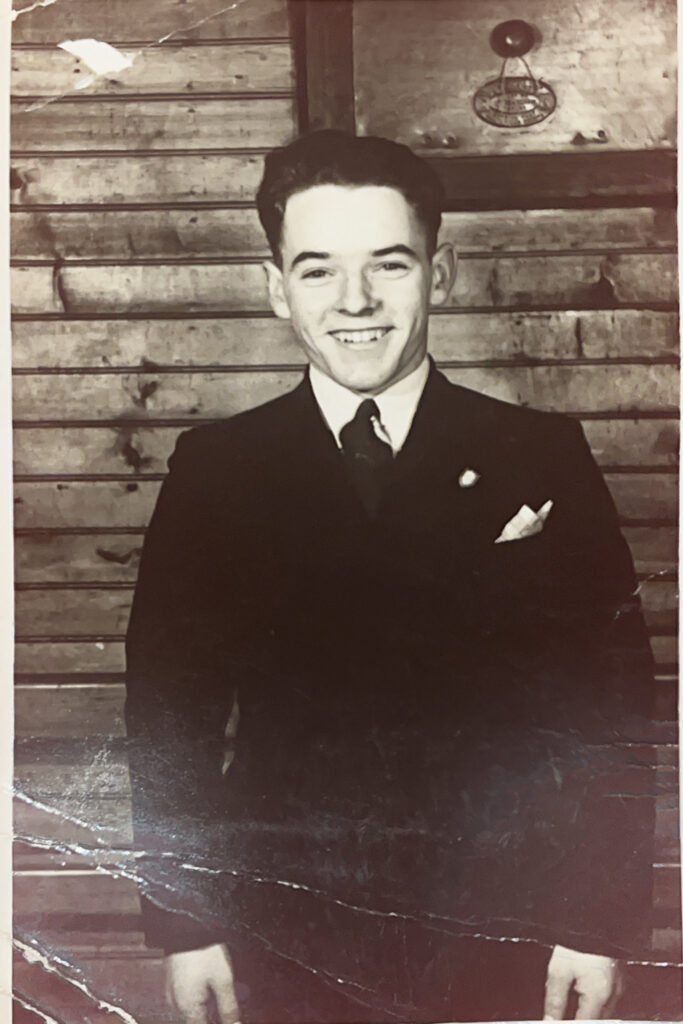
There was the evening of 26 April 1945, the night before his 21st birthday. He was returning to his unit when a group of American servicemen drove by in a jeep and offered him a lift back to his base. Without sufficient space in the vehicle, he rode on the rear mudguard, a decision which proved unwise. Before reaching his unit, the driver lost control and the jeep slipped off the road and descended into the jungle. As George tumbled down the bank, skin ripping off his face arms and legs, his only thought was “Am I ever going to see twenty one?”
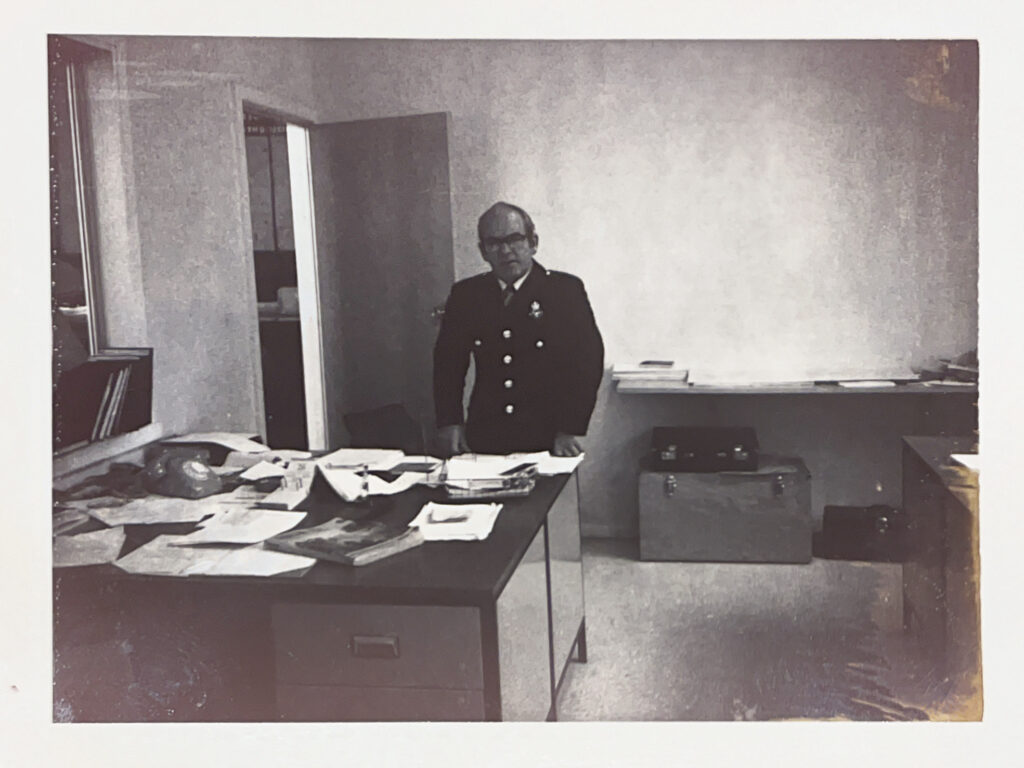
He survived to return to Hobart where he rekindled his courtship of my mother Joy. They married in February 1947. George returned to Victor’s garage where he worked as foreman until the late 1950s after which he accepted a job at the then-Transport Commission as a motor vehicle inspector. Like so many his military duty was part of what he owed society and it gave him back home and humanity.
He always attended the Anzac Day Dawn Service and marched on the Main Road in Glenorchy, proudly displaying his medals. It remains a proud tradition which veterans of subsequent wars and their descendants keep alive.
About the Author
Peter Carey has worked in banking and advertising in Tasmania for 33 years. He is a novelist whose three-part trilogy Comfort Zones was completed in 2020, and his stand alone novel Iambic oil was completed in 2022.
Contact MHHV Friend about this article.