Historian Mat McLachlan shares Untold stories of Australians in Operation Market Garden (17-25 September 1944). And what to see today visiting the battlefields of Operation Market Garden
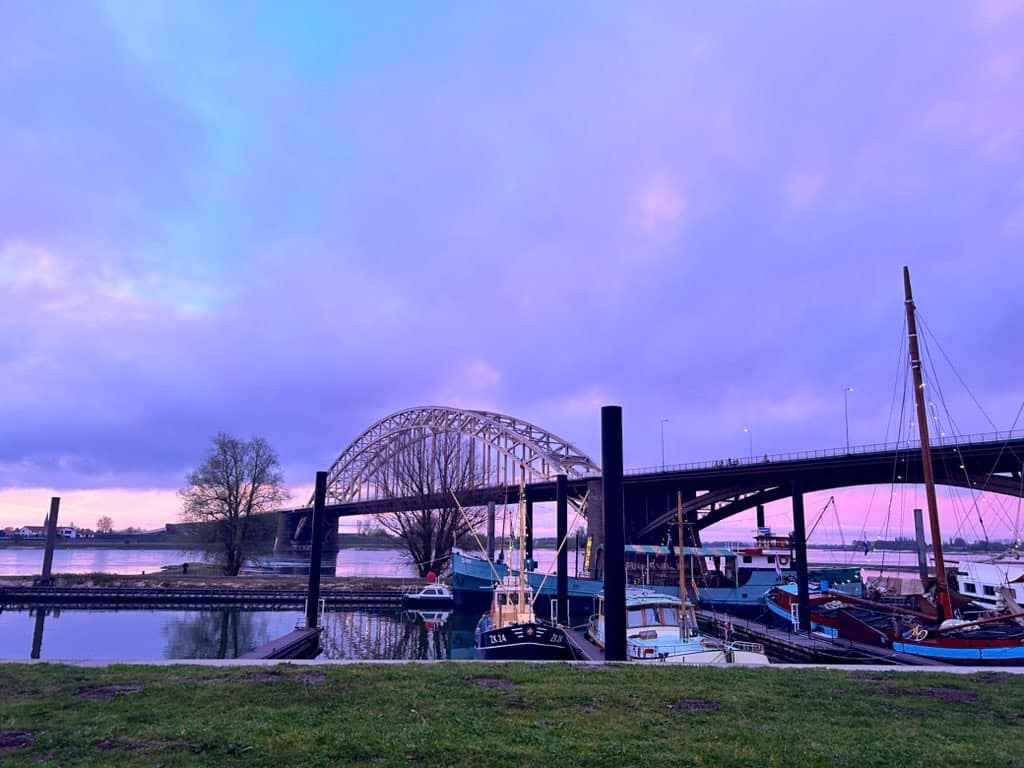
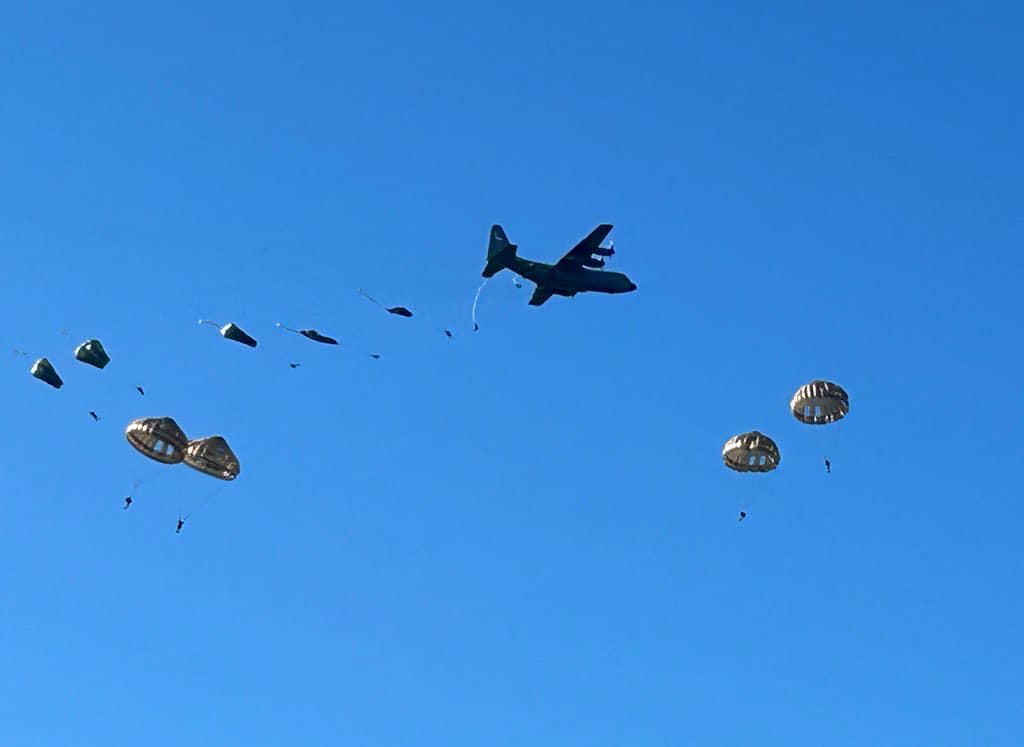
This year marks the 80th anniversary of the end of WW2, and September marks the anniversary of an ambitious operation which aimed to rapidly end WW2 in Europe. Operation Market Garden took place from 17 to 25 September 1944 in the Netherlands, and was the largest airborne operation in history involving over 35,000 paratroopers and glider troops. Operation Market Garden was designed to bypass German defences and seize key bridges into Germany, but ultimately fell short of its objectives, particularly at the Arnhem Bridge which is remembered forever as ‘A Bridge too Far’.
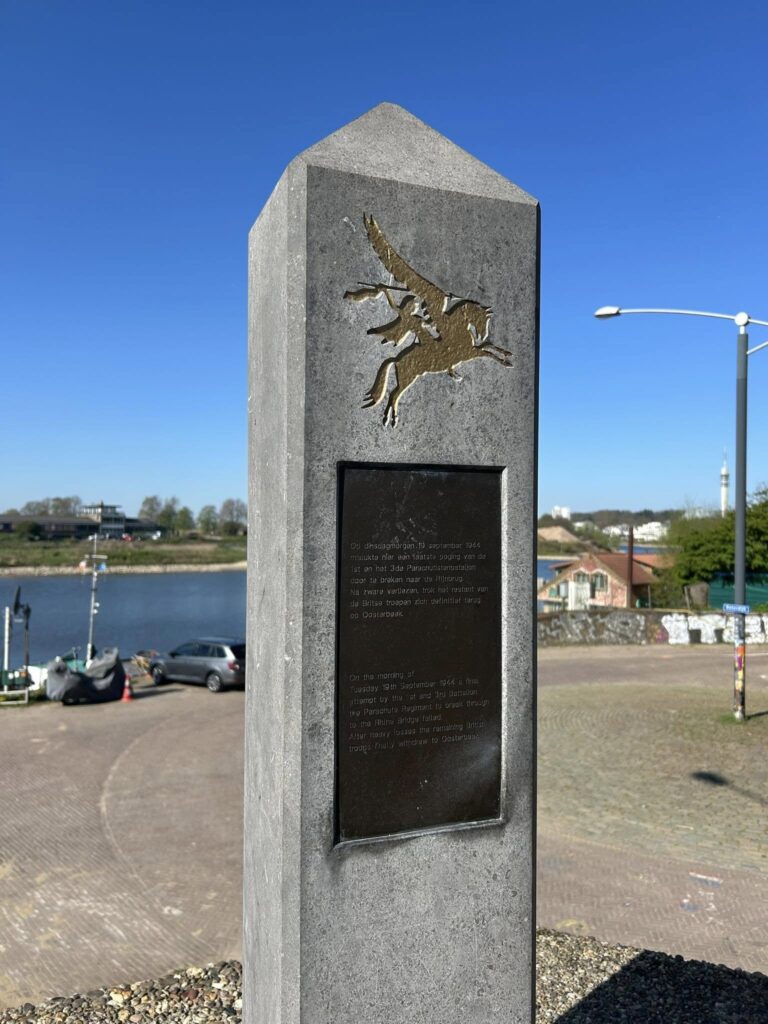
The stories of Australians who served in WW2 battles in Europe continue to be lesser known, and on the anniversary of Operation Market Garden, Mat McLachlan has shared some of these stories, and highlight what can be seen today when you visit and walk the battlefields of Operation Market Garden – and WW2 in Europe.
Australian battlefield historian, Mat McLachlan said: “Australian aircrew in the RAF’s Transport, Bomber, and Fighter Commands played small but prominent roles during Operation Market Garden, carrying paratroopers to drop zones, delivering supplies, and attacking German forces throughout the operation. Visiting the former battlefields of Operation Market Garden today offers a deeply moving and well-preserved journey through one of World War II’s most ambitious campaigns across the Dutch countryside, and one incredible way to experience it is by travelling along the river branches of the Rhine on a river cruise – which played a pivotal role in this campaign.”

Australians involved in Operation Market Garden
Alan Wood (born in Chatswood, NSW; 6 October 1914 – 27 October 1957) was an Australian-born British soldier, journalist and war correspondent who served in the London Blitz (September 1940 – May 1941), the Normandy Landings (June 1944), the Battle of Arnhem – part of Operation Market Garden (September 1944), and the Allied advance into Germany in March 1945 – during which he suffered an injury which saw him lose a leg.
Born in Chatswood, Sydney, Alan Wood was educated at Sydney Grammar and the University of Sydney before moving to the UK to continue his studies at Balliol College in Oxford. In 1939, soon after leaving Oxford, Wood joined the Daily Express newspaper as a lead writer, and then in the summer of 1940, Wood enlisted in the Royal Artillery – commencing his service as an anti-aircraft gunner during the London Blitz. Throughout WW2, Wood continued to write for the Daily Express, and in the later stages of the war he served as a war correspondent for the newspaper, reporting from key events such as the D-Day landings and the Battle of Arnhem.
Wood held strongly to his Australian roots and identity: in 1942, under the pen name “Boomerang”, Wood published a book giving his view of the wartime British Army as seen from the ranks: Bless ’em All: An Analysis of the British Army, its Morale, Efficiency, and Leadership. He frequently returned to Sydney to visit his family during and after the war.
Alan Wood lived in London until his death in October 1957, aged just 43 – sadly he had an incurable brain disorder.
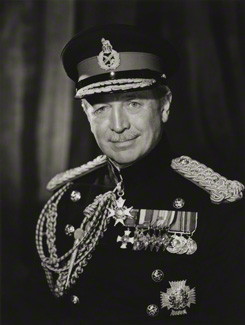
General Sir John Winthrop Hackett (born in Perth, WA then attending Geelong Grammar School in VIC), was an Australian-born soldier who played a pivotal role commanding a brigade in Operation Market Garden. Following his schooling in Australia, Hacket moved to the UK to study at Oxford University. With the outbreak of WW2, Hackett found his calling in the British Army, where he began a distinguished military career.
During Operation Market Garden in September 1944 at the Battle of Arnhem, Hackett’s brigade was involved in heavy fighting. Despite being severely outnumbered and outgunned, Hackett and his troops fought valiantly to secure the Arnhem bridge. On September 20, 1944, Hackett was gravely wounded in the stomach and captured by German forces. His life was saved by a skilled surgeon at the St. Elizabeth Hospital in Arnhem, but his recovery was still perilous.
He was hidden and nursed back to health by a Dutch family in the village of Ede. Once partially recovered, he displayed remarkable tenacity, Hackett later escaped from German captivity with the assistance of the Dutch resistance. Hackett passed away in 1997.
Flying Officer Tom Hall, an Australian fighter pilot (born in Port Melbourne) served with No. 175 Squadron, RAF, equipped with rocket-firing Hawker Typhoon fighters, and took part in ground attack operations in support of the ground offensive at Operation Market Garden. On September 17th, Hall participated in crucial ground attack operations supporting the advancing Allied forces during Operation Market Garden. Flying a rocket-equipped Hawker Typhoon from the squadron’s newly established base in Antwerp—which had come under German artillery fire immediately upon their arrival that morning—Hall and his fellow pilots conducted two successful missions against German positions. The Australian pilot helped attack German guns and troops in woods along the Eindhoven road that were impeding Allied advance, followed by cannon runs that reinvigorated British infantry and tank crews, before participating in a second strike on enemy formations in Valkensward village that triggered a massive explosion, likely destroying a German ammunition depot.
Warrant Officer Keith Prowd (from Brisbane, QLD), an Australian pilot with No. 196 Squadron RAF, volunteered his crew for a dangerous resupply mission to Arnhem on 18 September 1944 when another aircraft became unserviceable. Flying the Stirling bomber “V for Victor,” Prowd’s multinational crew included another Australian, Pilot Officer John Wherry from the RAAF serving as wireless operator. As their aircraft approached the drop zone loaded with supplies for British paratroopers, it was struck by flak that set the port engine ablaze, quickly followed by hits to two more engines that caused the plane to burn fiercely, forcing Prowd to order the crew to abandon the aircraft. The fate of the two Australians differed dramatically during their escape and capture. Prowd, the last to bail out, landed safely but was soon captured by German forces who treated him brutally, pistol-whipping him and stealing his personal belongings before he was reunited with the wounded Wherry, who had been shot during his parachute descent but survived. Both Australian airmen spent the remainder of the war as prisoners of war alongside crew member Jim Gordon, enduring captivity until their liberation by Russian forces in 1945. Their survival stood in stark contrast to several of their crewmates who were killed either during the bailout, upon landing, or while in German custody.
At the Airborne Museum at the Hartenstein Hotel in Arnhem, 10 Australian aircrew who died during Operation Market Garden are commemorated on a memorial plaque. The Australian aircrew were attempting to resupply the Allied forces fighting in the “cauldron” around Oosterbeek. These aircrew were part of a C-47 Dakota crew shot down by German fighters near Eindhoven. The aircraft crashed nose-first. Crew commemorated on this plaque include: Pilot Officer Frederick Knight (Haberfield, NSW), Flying Officer Charles Hamilton (Fairfield VIC), Warrant Officer Louis Firth (Upper Yarraman, QLD), and Flight Sergeant William Wheeler (Bunbury QLD).
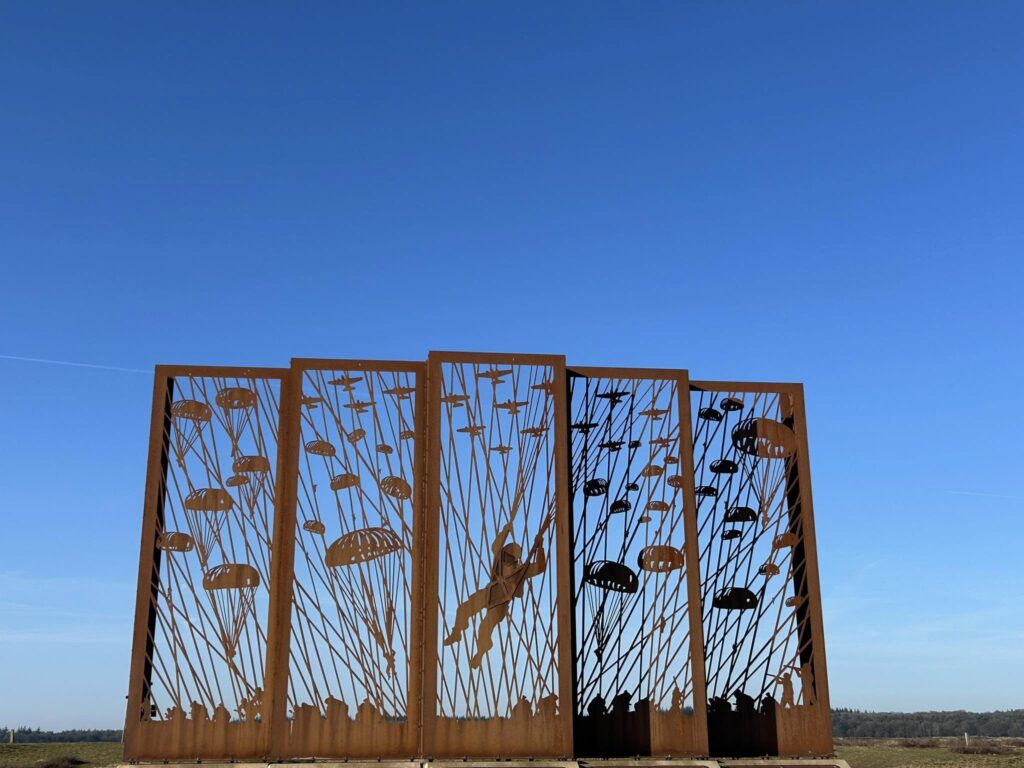
Visiting the battlefields of Operation Market Garden today.
Mat McLachlan said: “The bridges between Eindhoven and Nijmegen can all be visited, some of them originals still in place. The solemn Arnhem Oosterbeek War Cemetery, where Allied servicemen killed in the battle rest beneath neat white headstones, together with other Allied soldiers killed during the Second World War is incredibly moving to visit and pay respects. The landscape is dotted with excellent museums, including the Hotel Hartenstein, used by Urquhart as his headquarters, which is now the home of the Airborne Museum. And visiting drop zones, landing sites, and key tactical positions where paratroopers and glider troops fought desperately in September 1944 really brings this history to life. The peaceful Dutch villages and farmland belie the fierce fighting that occurred here, creating a poignant contrast between today’s tranquil setting and the heroic sacrifice commemorated through memorials, museums, and the enduring gratitude of local communities who still hold annual parades to honour the Allied forces.”
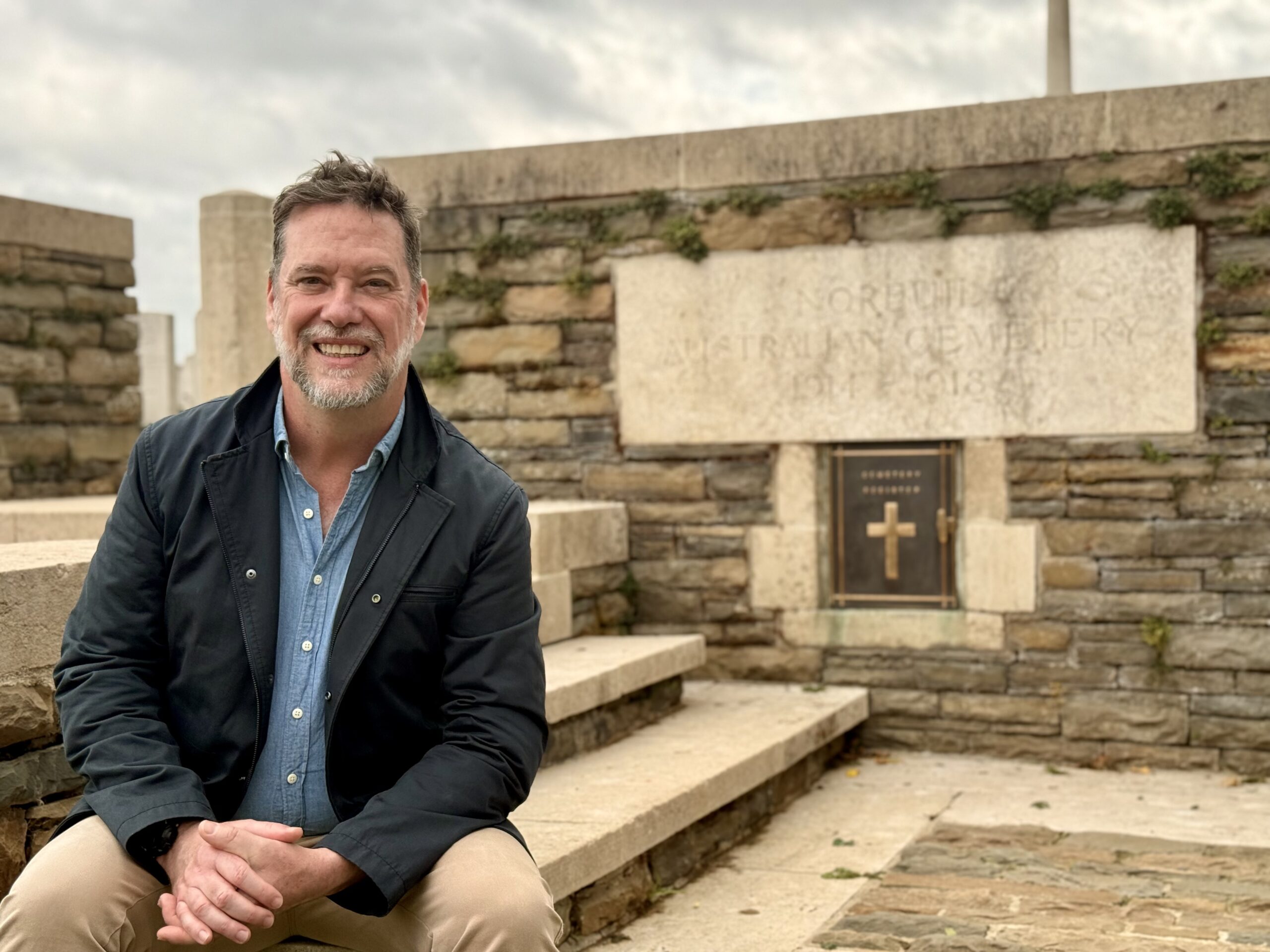
For 2027, Mat McLachlan Battlefield Tours has launched a new range of luxury river cruises aboard award-winning Ama Waterways vessels, including a special Mat McLachlan Signature Cruise over the anniversary of Operation Market Garden, departing September 2027. Visit https://battlefields.com.au/history-cruises/
Contact MHHV Friend about this article.