This is the story of huge wartime injustice against 17 Australian Nurses, 1 civilian ex-pat, and a Female US citizen, at the hands of Japanese captors during the Second World War.
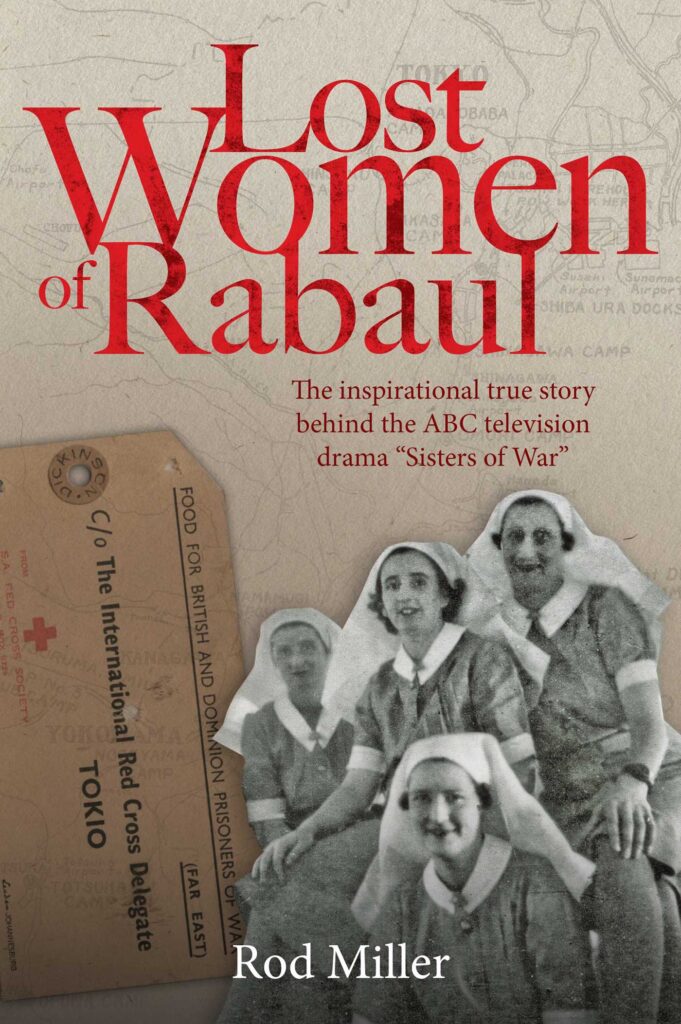
The Nurses and ex-pat were taken captive in the fall of Rabaul in 1942, and shipped aboard the Naruto Maru, to Yokohama Japan, where they were held incommunicado for a staggering 3Years and 9Months; until the conclusion of War in the Pacific.
Shipped to Japan in the hold of a vessel containing Male Prisoners of War (POW’s), the women were separated from the men upon arrival in Japan, processed like tourists through customs formalities, before being interned in the Bund Hotel, at the hands of the Yokohama Prefecture Police. The Japanese never notified the Swiss Legion nor the International Red Cross of the women’s presence in Japan the entire time they were held captive. The reason given for non-reporting was that the Japanese considered the women “special cases” and not POW’s. Pathetic reasoning and a poor excuse, as well as a denial of basic human rights.
After a brief period, the women were moved to the Yokohama Amateur Rowing Club (YARC), where, they said in their diaries, that they were relatively comfortable and well treated. Then the beatings started, and a starvation diet inflicted by their captors had an immediate detrimental affect upon their health. At great personal risk to their lives, most of the women kept diaries of their internment, written in pseudo-code as prose, verse or poetry; they detailed everything. Some women were so scared of what they had written, that they panicked and disposed of their diaries down toilets.
The women were uprooted from the YARC and moved to an abandoned former hospital at Totsuka, in the countryside outside Yokohama; a filthy, dilapidated wooden structure which had no heating whatsoever, and two water-wells some distance away, with hand-pumps (one broken). Here, the weakened, starving women were forced to dig their own air-raid shelters (some women collapsing from exhaustion), chop the firewood for the kitchen, and carry 100 buckets per day uphill for some considerable distance, for cooking, washing and so their captors could bathe.
As there was no heating, the women traded cigarettes, shoes and children’s clothing from Red Cross Aid packages with a local woman, who exchanged sweet-potatoes, and allowed the women to cook and warm themselves beside her hibachi. The severe winters were made worse for the women as their guards removed 2 futons from each woman, leaving them to sleep on benches strewn with straw-filled tatami mats and one futon, through days and nights as cold as minus 6 Celsius.
These desperate and forgotten women had to steal to survive. Further, as they had only ever been issued with one set of clothing by the Japanese for the entire 3 years and 9months, they were forced to make and repair their own scant and filthy light-weight clothing. Nobody outside of their captors communicated the women’s’ plight to their families, government, or authorities. The women were denied mail services, and could not write or receive letters or cables with the outside world. Total isolation: totally incommunicado.
But why? The Japanese never sought to exchange these women in the 3 formal Prisoner exchanges of the War. Did they intend to hold them for ransom, or even kill them outright? This is surely one of the greatest and most in-humane injustices of the entire War, if not of all time.
This book is fascinating reading; a window into the hardship, frustration and anguish inflicted upon caring, innocent people, by brutal, sadistic and inhumane captors so gutless they even bashed women and terrorised them at the end of swords. If this book doesn’t make you feel compassionate, then you’re not in the land of the living. Engrossing reading.
REVIEW written by: ADRIAN CATT 16/04/2023 for RUSIV & MHHV
Contact MHHV Friend about this article.