Who knew that there were 4,712 Allied deaths due to the war around Australia in World War II?
This seems to be a surprise for most Aussies. Ask a few what happened off our coasts in the war and there are some vague approximations. HMAS Sydney gets a mention from many – with 645 fatalities off western Australia against the German raider Kormoran it remains our worst naval combat action.
If you bring in the Americans the numbers start to make more sense. But again how much of their story on our shores is known? The 1942 Battle of the Coral Sea gave significant pause to the Japanese war machine – it cost 543 lives and the sinking of the carrier USS Lexington off Townsville.
But ask Americans, even ones of older years, whereabouts near Australia there were more US deaths than Coral Sea, and almost none know the story of another aircraft carrier sunk, off the north-west. USS Langley was the US navy’s first carrier, and by February 1942 she was relegated to transporting aircraft rather than operating them. On one such mission she was caught by Japanese Val dive-bombers and sunk. Her escort, the destroyer USS Edsall, was later caught by surface forces and sunk; her tanker, USS Pecos, was also destroyed. Altogether 902 Americans died.
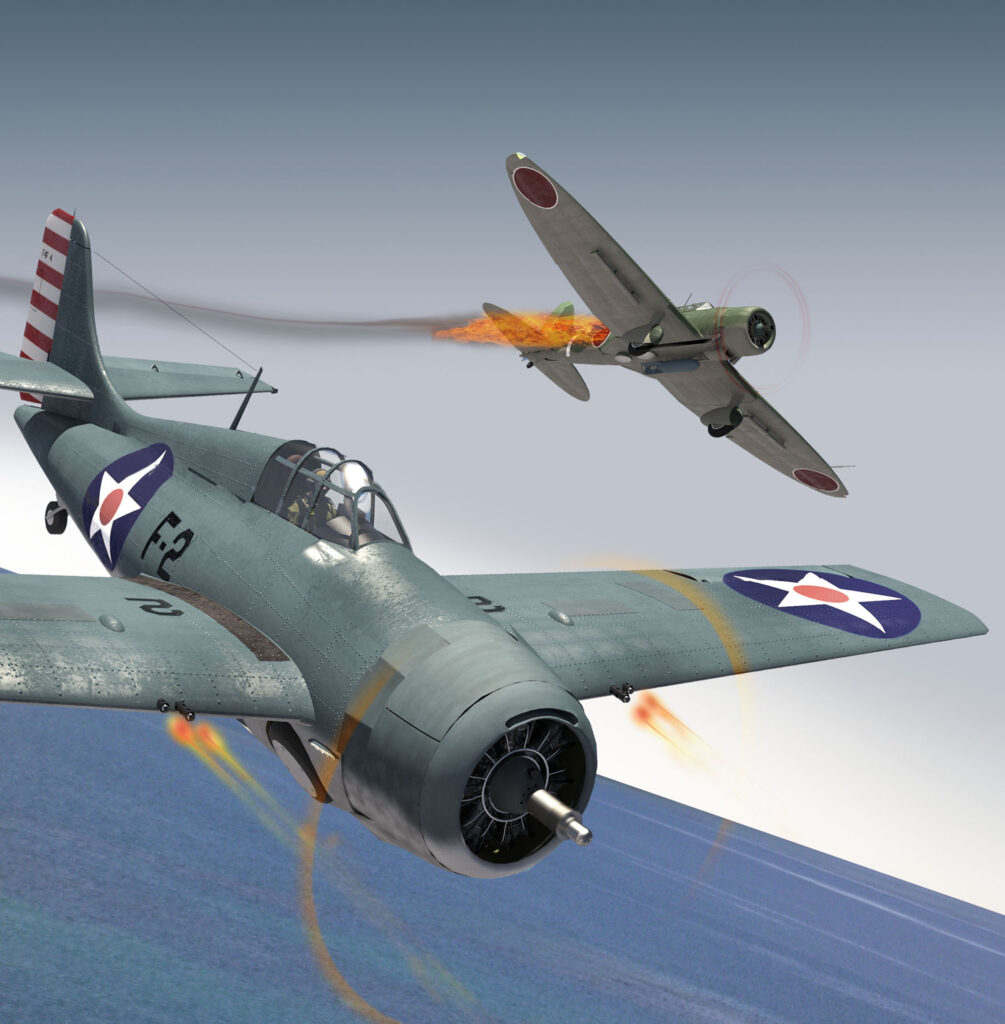
Surprisingly it was American forces up front and centre in many of the battles. Who knew that the entire air defence of 10 fighters were flown by the US Army Air Force when Darwin was attacked by 188 Japanese carrier aircraft on 19 February 1942?
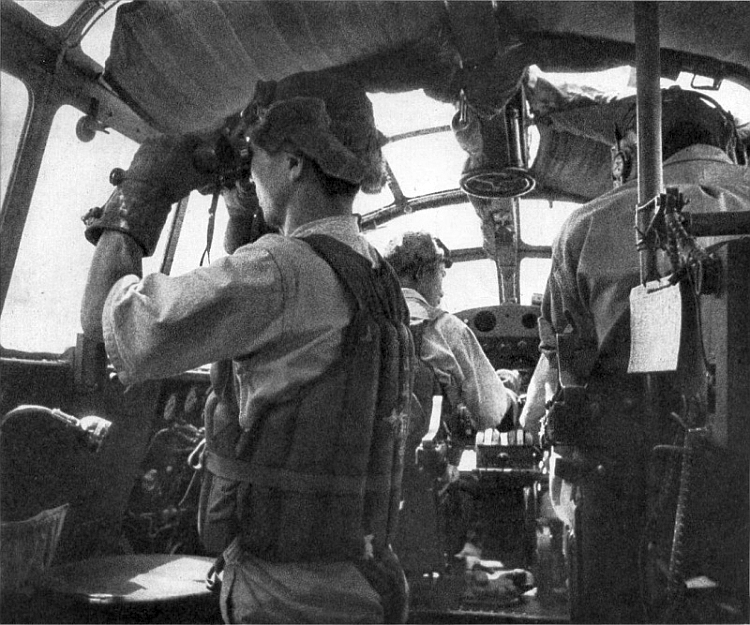
Part of the reason for this was since 1939 Australians served mostly in Europe. With the war starting there that made sense, and there were many actions in those foreign seas and shores where the military performed with distinction. Consequently, when war broke out in the Pacific there were not enough at home to fight – although the lack of preparation by governments had been shameful. Not one Spitfire or Hurricane was flying over northern Australia when they were needed. In fact US Army Air Forces aircraft flew the country’s northern fighter defence for most of 1942 before the RAAF were able to step in.
Where did some of the other grim fatality numbers come from? There were other costly air raids to add to the count. Broome saw 86 lives lost when nine Zero fighters strafed flying boats in the harbour. The wrecks can still be seen there to this day at low tide. There were 1,889 enemy air flights made against Australia, ranging from massive bomber raids, to individual aircraft sorties launched by submarine, including flights made over Sydney, Melbourne and Hobart. None of these Japanese machines were fired at, despite being clearly marked with the hinomaru, the big red circle clearly painted on the machines. It was air raids that caused the bulk of the 1,671 names listed on the Darwin Military Museum Memorial Wall.
However, it was the two year submarine campaign in 1942-3 that caused one of the worst tragedies around the coast. The sinking of the hospital ship Centaur, torpedoed by the Japanese submarine I-177 in 1943 was the cause of 243 deaths. The survivors off Brisbane endured hours in the water before rescue by a US destroyer. Altogether 105 vessels were sunk around the coasts, most by the big Japanese fleet submarines. In return the Allies sank six, including two of the midget submarines that attacked Sydney; an 80-man vessel which lies outside Darwin to this day, and an 86 man boat sunk by RAAF bombers off Newcastle – their only Pacific war kill of an enemy submarine.
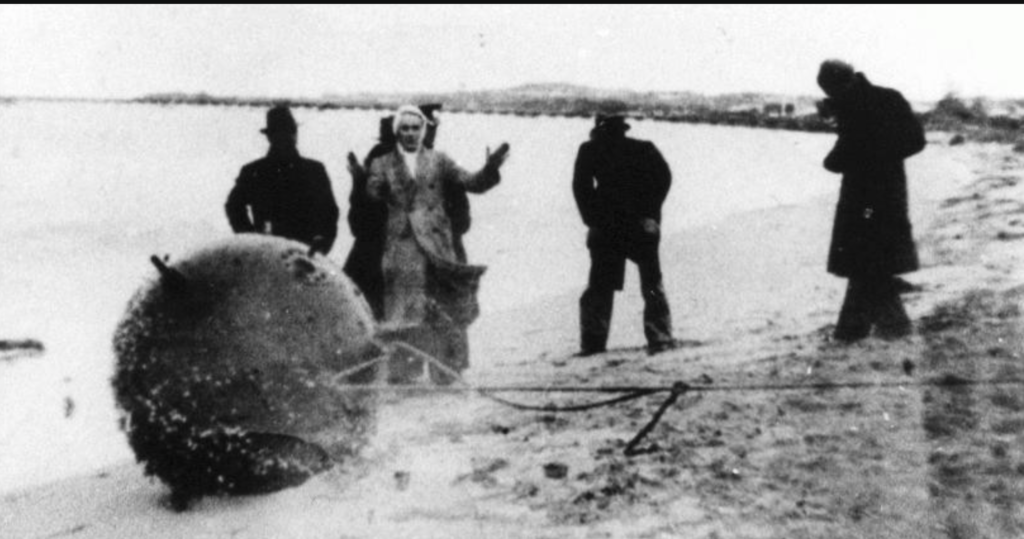
Although the high fatality numbers are staggering, it is always important to remember the lesser human stories, some of them so small they are easily overlooked. It was a sea mine laid by a German ship which exploded at Beachport in South Australia in 1940, killing the two Navy men trying to defuse it. They were the first to die, in 1940, on Australian soil – a small service every year remembers them to this day.
One of the more unusual human stories concerns the Japanese floatplane bombing of the lugger HMAS Patricia Cam, on the Northern Territory’s coast. As the little ship startled to settle and the crew took to the sea, the floatplane landed and the crew beckoned one of the survivors, Reverend Len Kentish, to come aboard. He refused but was compelled to climb into the aircraft to become imprisoned at a small enemy base. Some while later it was bombed by Allied aircraft, and one of the Japanese – angered at the death of a friend – had Kentish executed in reprisal. His fate was not ascertained until after the war.
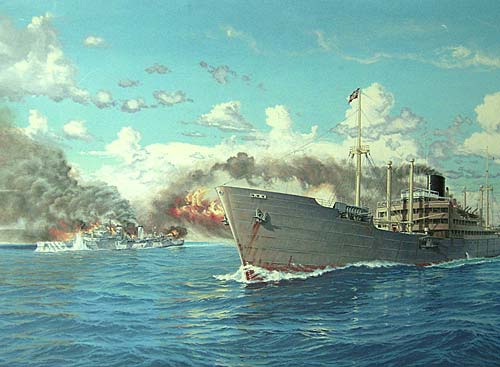
Numerous acts of battle heroism took place around the coast. The sloop HMAS Yarra defended to the last her small convoy near Christmas Island. Despite the valiant efforts of her captain Lieutenant Commander Robert Rankin and brave crewman such as Ron Taylor, who refused to abandon his gun, all four ships were sunk.
Similarly eighteen year old seaman Teddy Sheean on board the corvette HMAS Armidale, defended his ship to the last under air attack. Although the ship was hit by air-launched torpedoes, he went back to his 20mm Oerlikon and stayed at it, firing to drive away the circling Zeroes to save his mates. He is the Navy’s only Victoria Cross, although many more were deserved.
There is still much of our local WWII history to find out. Of the 62 Japanese aircraft brought down in raids less than half have been found. Many, as did some of the hundreds of Allied bombers going north, ended up in the sea when they encountered problems. Australia’s north is littered with aircraft wrecks. But hidden secrets took years to give up their stories. It was not until 2006 that the third midget submarine of the three that attacked Sydney Harbour was located. What happened to its two crew is unknown – the main hatch of their boat still lies open, with the hull half-full of sand. On a more practical level it is no surprise that unexploded bombs still turn up in Darwin suburbs – of the 6,700 dropped on the Northern Territory an estimated 670 did not explode.

It was not only the combat actions that saw a massive effort. Around the coasts today the silent testimony of a massive effort can still be seen in the deserted gun emplacements which are a common sight around harbours from Perth to Hobart; Sydney to Darwin. These together with anti-aircraft positions; boom nets, submarine detector loops, and searchlights, were kept manned 24/7 for much of the war. But even though they saw little action their defence personnel gave valuable service. By their very presence they deterred and protected.
Altogether there were 1,992 individual attacks on Australia from 1939 to 1945, including surface, submarine, and air flights. One unrealised aspect of the war at home was that it was largely unrecognised by the military establishment who had fought overseas. Members who had not left Australian soil were not welcome as members of the Returned Forces organisations.
Despite popular rumour, what had happened was not covered up by the federal government of the day – after all, why would it? You can find the stories of air raids and the like in the newspapers of the time, now easily accessed online through the Trove system. But successive generations were denied the knowledge, simply because school history books were not dumped and replaced by new up-to-date versions.
It is hoped that Australia’s Coastal War will remedy some of that lack of understanding of what happened in our own country, and how many brave soldiers and citizens fought at home to defend it – and how many paid the price.
-o-o-O-o-o-
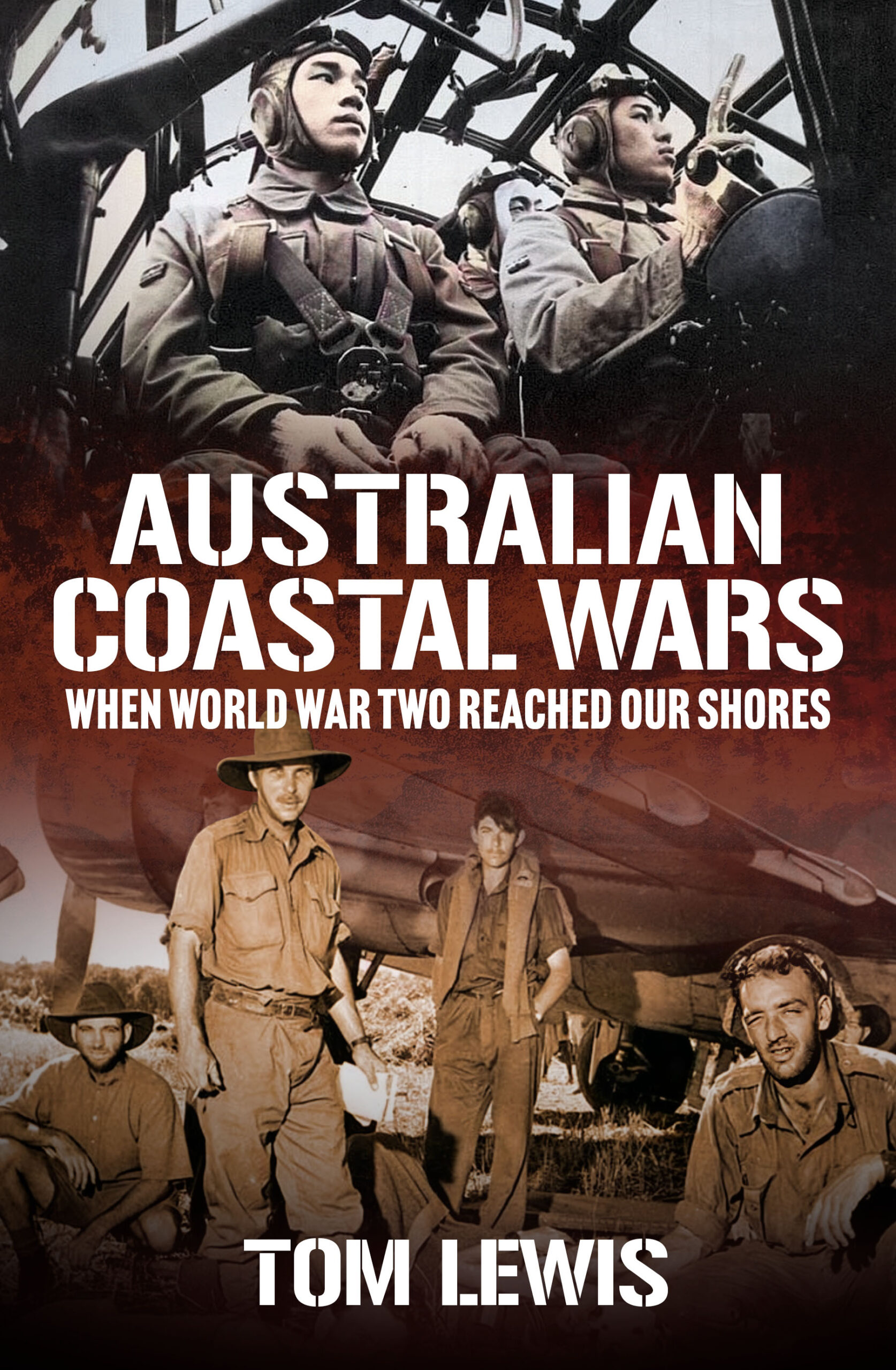
Australia’s Coastal War is the 25th book from military historian Dr Tom Lewis, who was awarded the Order of Australia Medal in 2004 for his services to naval history. Another of his recent works is Cyclone Warriors, the story of the Armed Forces in Cyclone Tracy. His book The Sinking of HMAS Sydney has just been awarded the Commodore Sam Bateman Book Prize by the Australian Naval Institute.
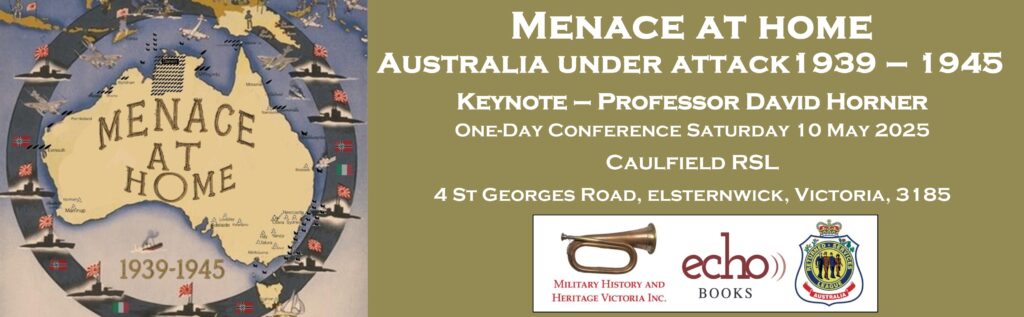
For more about the threat to Australia during World War 2 click here
Contact MHHV Friend about this article.