Major-General Jim Barry AM, MBE, RFD, ED (Rtd), MHHV Patron, opened the conference by noting that when Professor Geoffery Blainey had presided over the inception of the MHHV he had exhorted the committee to be relevant.
In reviewing the MHHV’s history, Major-General Jim Barry noted that this was the 22nd MHHV conference of which the current “Menace at Home” was the 16th one day conference. On that evidence alone the MHHV had proven relevance. He also thanked the sponsor, Echo Books, and the Caulfield RSL
Keynote address. – Professor David Horner
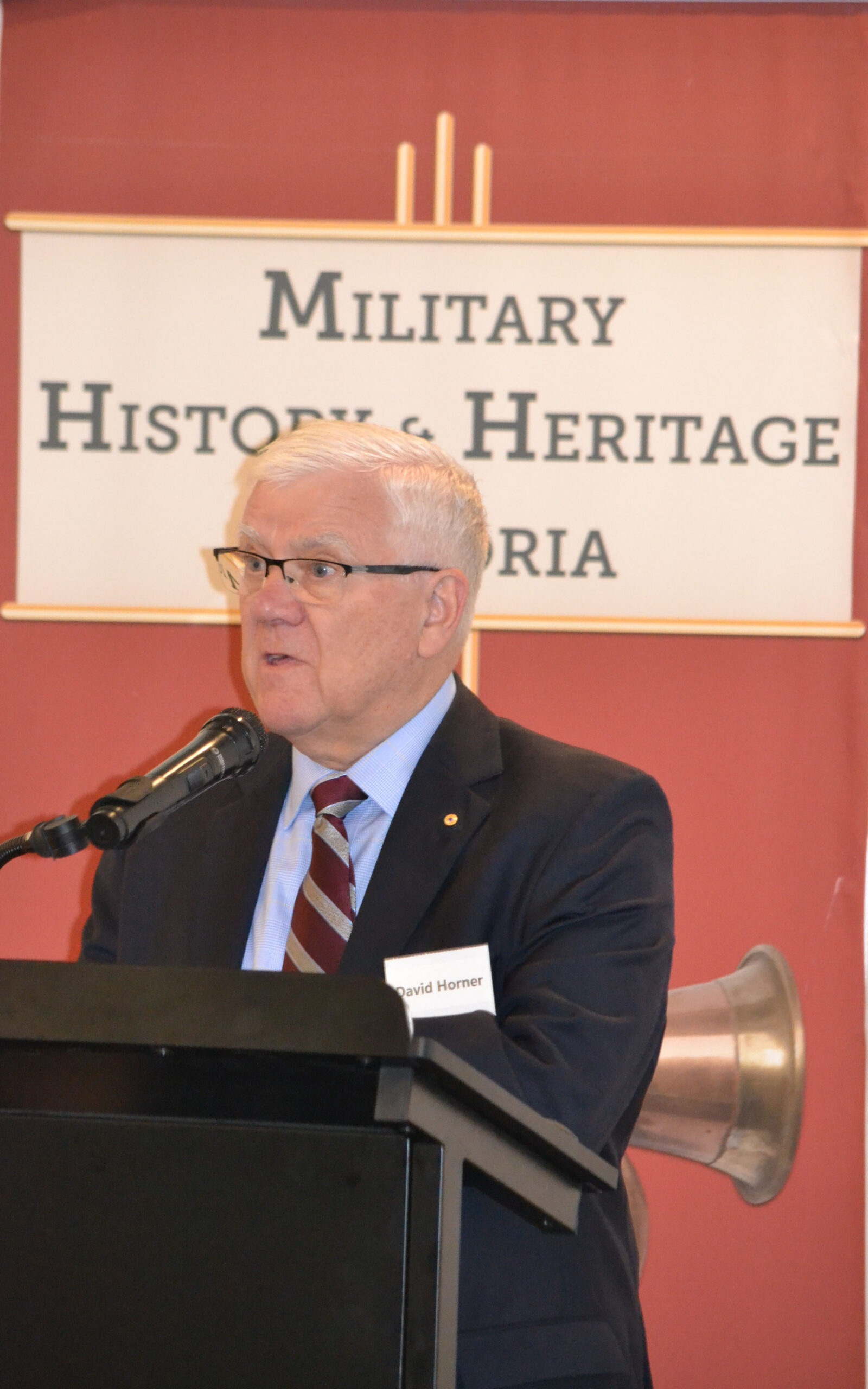 Professor Horner opened by reminding the audience that 1942 was the first time Australia faced foreign invasion. Up until then battles overseas had taken all the population’s attention.
To set the national experience in context. Prior to federation the nation was wary of sending forces overseas. We had a miniscule standing army and the militia was kept for home service. Following federation, Imperialists dominated the political scene in Australia and they believed that the nations defence was best served by sending forces overseas. The result of this in WWI was that the AIF volunteer force, the Navy and aviators were sent overseas.
It happened again in WWII. Initially troop ships ferried the 2nd AIF overseas along with men for the Empire Air Training Scheme as well as other air and sea resources to support our far-flung forces.
The demands changed after the Japanese entered the war in December 1941. 250,000 reserve militia forces were called up for home defence. The population was panicked when Darwin was bombed February 19, 1942 by 242 Japanese planes. The first medals awarded in the war against Japan were to aircraft gunners. The panic and losses were hidden from the public.
Around cities beaches were covered with barbed wire and trenches dug. 32,000 men manned anti-aircraft guns and 66,000 women worked search lights. Most saw no action.
The Battle of the Coral Sea, 4-8 May 1942, and then the Battle of Midway, 4-7 June 1942, put paid to any prospect of Australia being invaded. Signals intelligence in mid-1942 confirmed this.
It did not however stop Japanese submarine activity along the east coast of Australia nor the bombing of Western Australia’s north. The latter stopped on 12 November 1943.
Japanese submarines were active well into 1943. Towards the end of their rampage on 14 May 1943, they sunk the hospital ship Centaur off the coast of Queensland with the loss of 268 lives.
Hitler’s Pinguin Parade – David Mitchellhill-Green
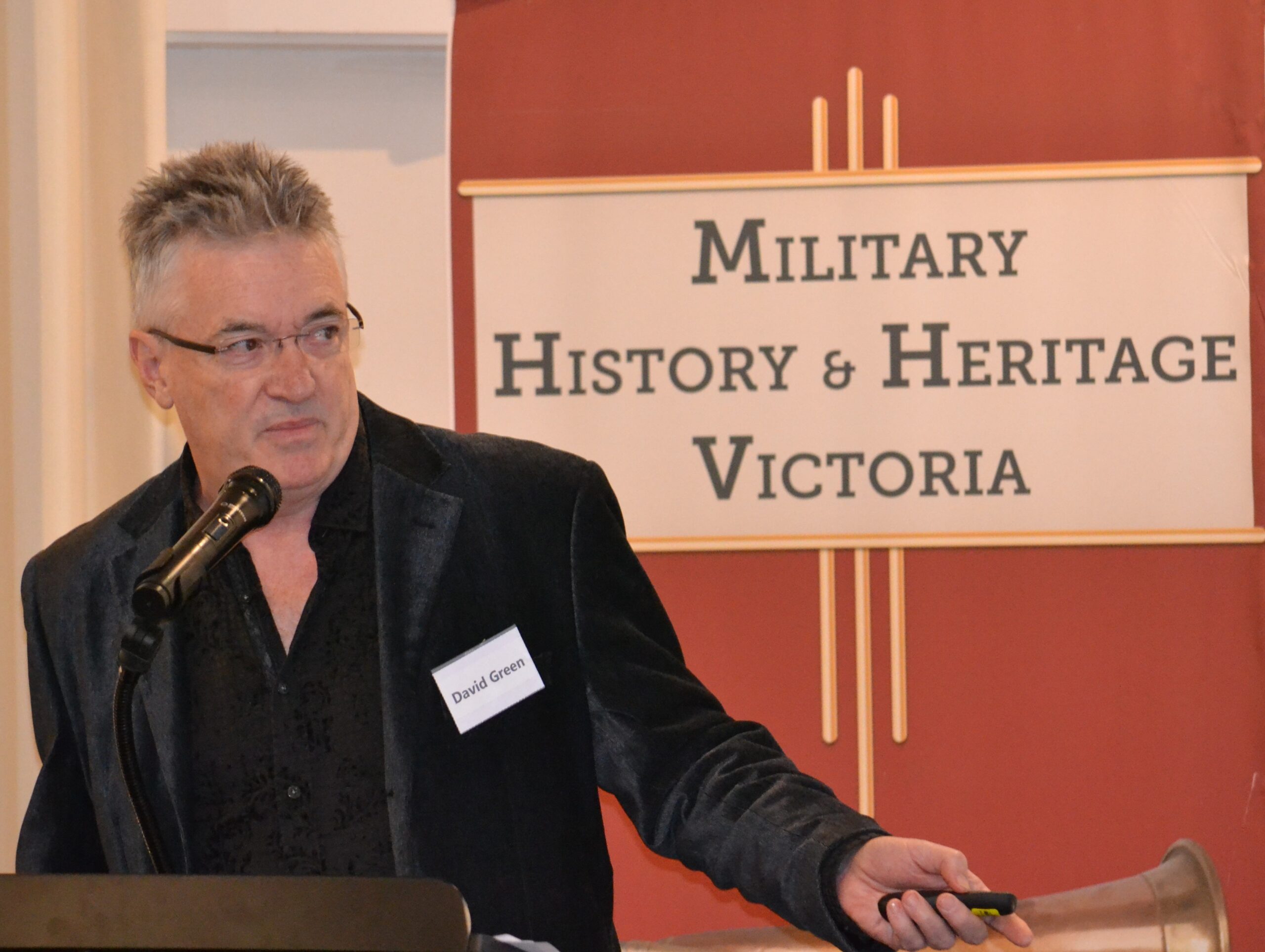 From the start of the war, the Germans used a series of auxiliary cruisers to roam the oceans attacking Allied shipping. Two such merchant raiders were the German auxiliary cruisers Pinguin and Kormoran.
The raiders typically had a complement of around 400 men, 25 of whom were officers. As they roamed around looking for victims, their carpenters could rapidly change the shape of a ship to mimic other ships. As they approached their prey, they would threaten them with their array of guns and torpedoes. They would then hoist the swastika and jam distress signals. Some ships they pillaged and sunk, others pillaged and converted to their own use.
The raiders carried two sea planes.
In a mutually destructive battle the Kormoran sunk the HMAS Sydney, 19 November 1941, off Carnarvon WA and was scuttled soon after.
The Pinguin was sunk 8 May 1941.
The ships laid mines around southern Australia and the last mine washed up on Bondi Beach in 1966.
The Secret Submarine: how the RAAF sank the Japanese I-178 off Sydney – Dr Tom Lewis OAM
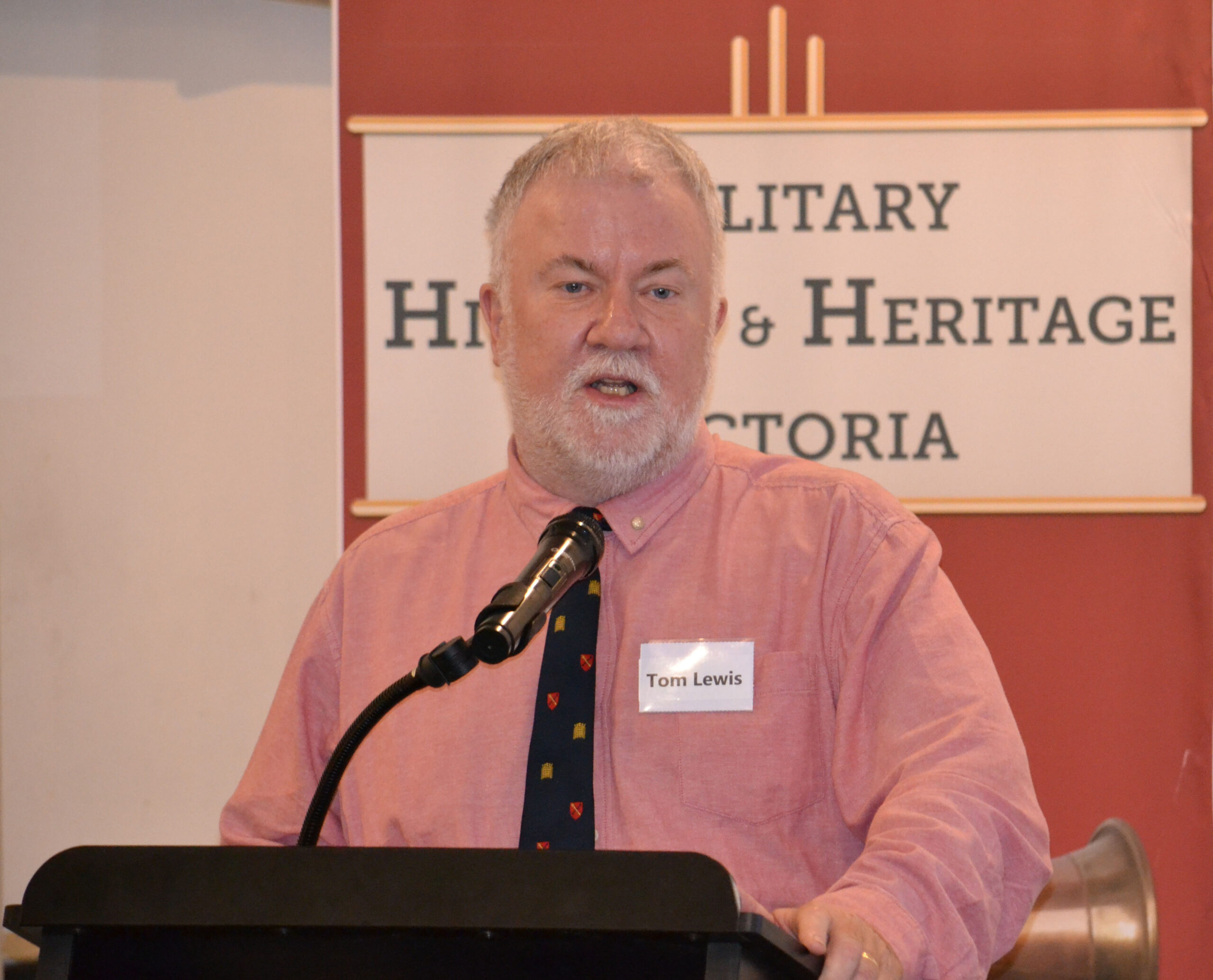 The initial attack on Darwin was made by Japanese submarines attempted to sink shipping by mining the harbour. This attempt failed due to the huge tides. What couldn’t be achieved by submarines was then done by planes in a bombing campaign that kept up mid-1944.
The Japanese sent big fleet boats to dominate the east coast of Australia from January to June 1943 and they arrived in quantity to attack reinforcement and supply convoys supplying New Guinea. They were widely dispersed.
They were very good submarines but not so good for the crew. Being based at Truk they had long range, 8,000 miles at 16 knots. I-178 was spotted off Coff’s Harbour on 18th June 1943 just after midnight a direct attack was made on her by two RAAF Beaufort bombers. The submarine was never seen again – it is believed to have sunk somewhere between Coffs Harbour and Truk.
Submarine reconnaissance of the Victorian Coast – Jason McGregor
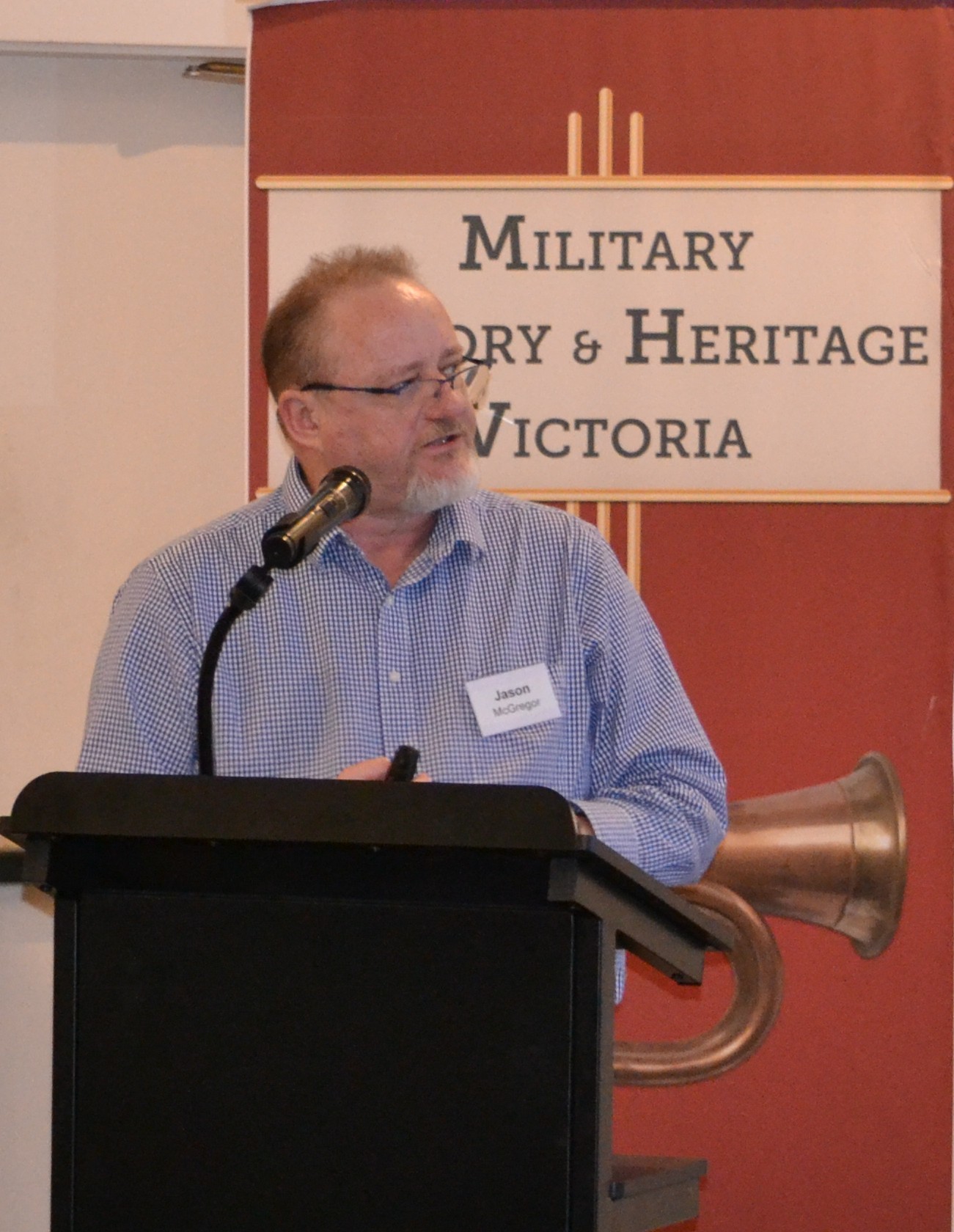 Between 1942 and 1945, 28 German and Japanese submarines operated in Australian waters, sinking 30 ships and gathering intelligence on coastal defences, Allied shipping, and naval presence. The most infamous attack was the sinking of the Australian Hospital Ship Centaur off North Stradbroke Island, claiming 268 lives.
German submarine activity was limited because of the distance involved in getting into Australian waters. The most notable submarine, U-862, travelled from Batavia in late 1944 and into the Bass Strait and the Tasman sea via the Great Australian Bite. Over the course of its visit, it sunk 7 ships.
The Japanese had more success over a longer time. I-25 belonged to a class of large submarines build for long range action and carried a float plane. It began operations during Pearl Habor then patrolled the US west coast arriving in Bass Strait in February 1942. The float plane was launched near Melbourne. It was reputedly hunted by 2 out of the 12 Wirraways from Laverton air base. Dipping in and out of cloud cover during its jaunt it missing being shot by plane. Anti-aircraft fire was held back because the gunners had to wait for permission to fire.
The submarine was underway for much of the four hour jaunt yet the pilot found his way back.
Amongst other things, the presentation covers I-25’s trip across the Tasman see to reconnoitre Wellington and Auckland and its most famous attack – that on the west coast of America and the surprising post war outcome.
War at the Door; Sydney 1942 – Dr Catie Gilchrist
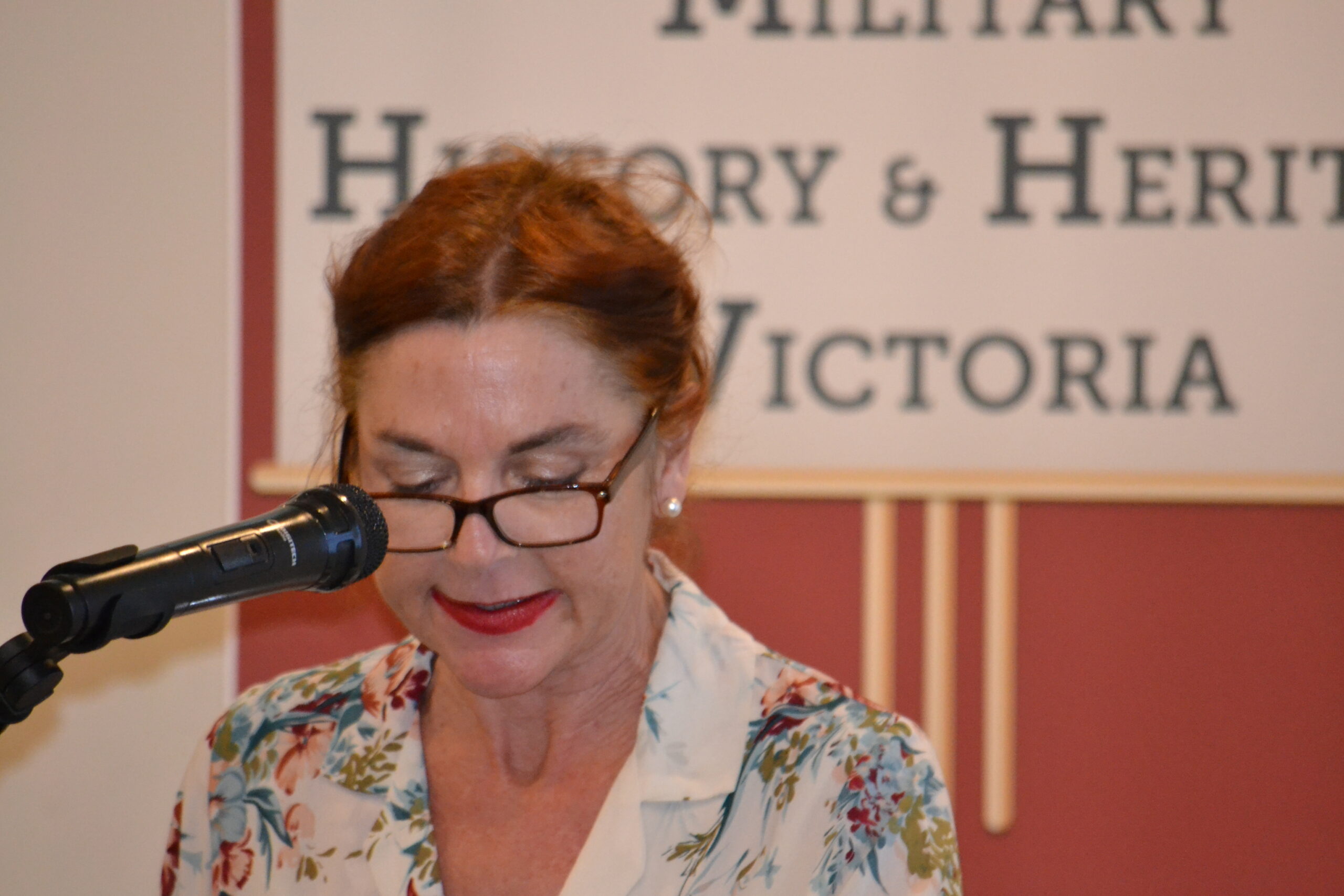 In early 1942, Sydney was holding its collective breath. Blackouts were in. Houses and cars were darkened. Even striking matches in the open was banned. Thousands of kilometres of barbed wire had been laid.
Finally an attack came and this being the first time, plenty of mistakes were made. Japanese float planes were seen but not fired upon even though the first attacks were expected to be from the air. The attack came from the sea and the defences of Sydney harbour proved to be woeful.
On 31 May 1942 three 24-metre-long midget submarines were launched outside the harbour bound for the rich pickings inside. One sub became snared in a boom net and the crew couldn’t free it. The 2-man crew blew themselves and their sub to pieces. Harbour detection loops did not work. The navy did not act with authority. Ferries passed by fully lit because no -one believed the Japanese could have penetrated the harbour.
The second sub made it through. It loosed two of its torpedos. It missed with both and was attacked and sunk.
The third sub set out to torpedo the heavy cruiser USS Chicago hitting a converted ferry instead and killing 21 sailors on board. This sub got away and its fate was an enduring mystery until its hulk was found off Sydney’s northern beaches in 2006.
Luck had been on the side of the defenders. No official enquiry was taken. Censorship prevented people knowing the details and the failures
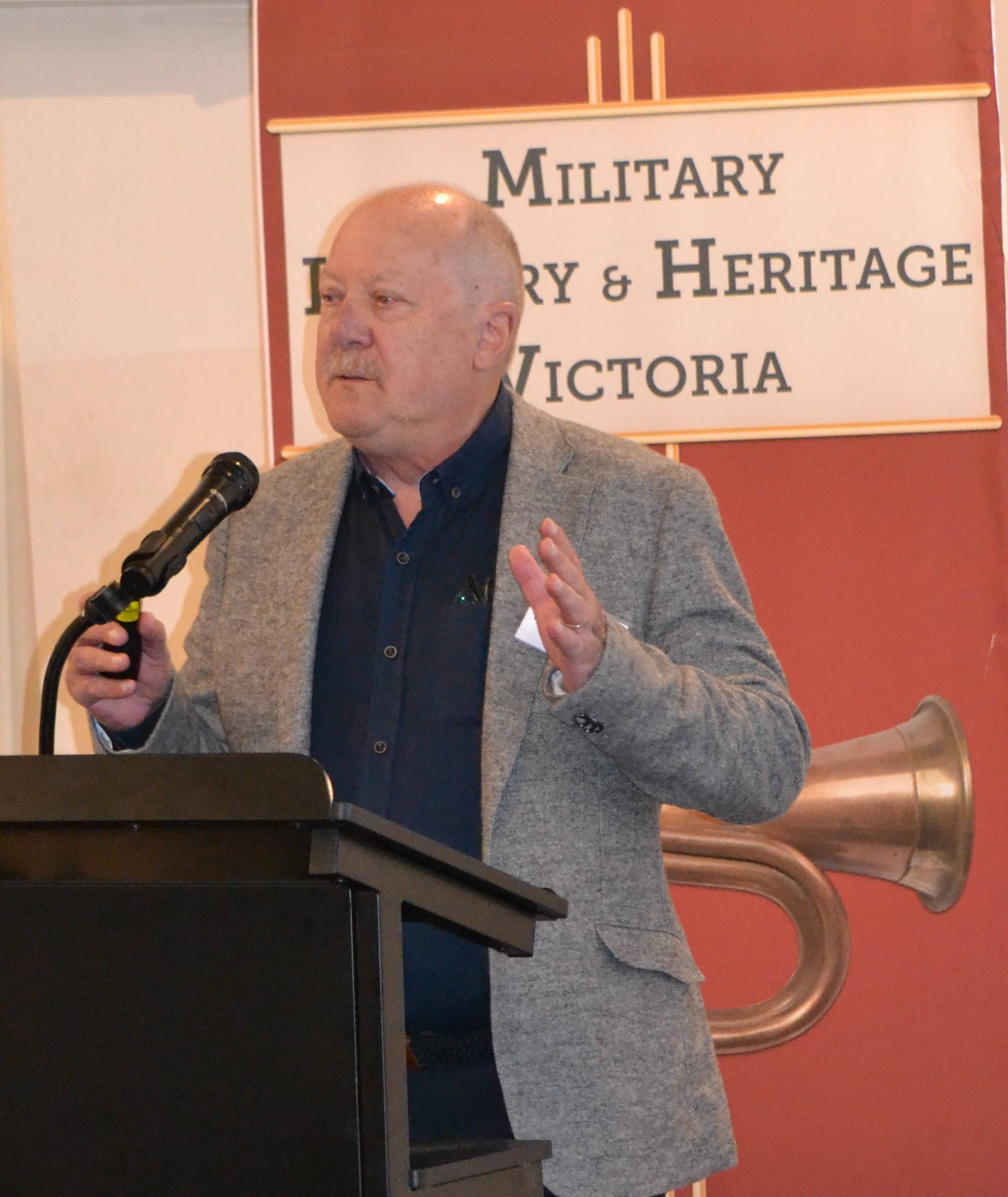 The Brownout Strangler was just one of the million or so US service men passing through Australia during the war. That he was tall and handsome made him difficult enough to spot. But then just about all the Americans, with their money, uniforms and unlimited access to supplies from their PX store, appeared that much more sophisticated than their poor Australian allies. That is, until women were found murdered.
The murderer was part of the contingent stationed at Camp Pell, Parkville, the park behind what is now the Royal Melbourne Children’s Hospital Melbourne. The camp catered for 15,000 troops on the outskirts of the CBD.
Born in New Jersey into a dysfunctional family, the killer probably suffered from foetal alcohol poisoning syndrome and an overbearing mother, both of which set him up for juvenile crime. He developed into a tall and deceptively strong and handsome young man. Drafted into the 52 Signals Battalion he was on breakfast duty and plenty of free time. Free from 10am, he went to town and drank.
The first victim was found beaten and strangled with her purse so it was assumed the motive wasn’t robbery. Six days later, the next victim was also strangled but had been seen in the company of man with an American accent. The next victim was murdered while walking home from work at night. The dishevelled killer asked another woman for directions. These descriptions plus several others from failed murders pointed to an American perpetrator.
The surviving witnesses participated in a parade of the whole camp. Leonski was identified, tried and hung at HM Prison Pentridge in November 1941.
Cowra – A battle fought on Australian land – Mat McLachlan
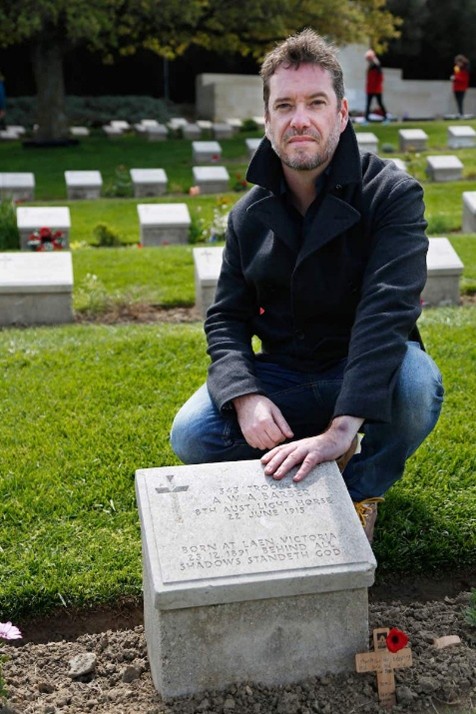 Mat McLachlan began by saying the Cowra Breakout was not an attempt for freedom but rather an attempt at regaining honour for the 1,000 or so Japanese prisoners.
In addition to the Japanese at the camp, there were 2,000 others, mainly Taiwanese, Italians and Koreans. These did not revolt. In fact the Italians were docile and sent out to work. Many returned to Australia after the war.
The Japanese were tied to their honour code which did not allow them to be captured alive let alone face the prospect of being sent home. While Japanese attitudes varied by service, the airmen were the most fanatical and they considered themselves to already be ghosts. With Japan losing the war, they believed they should contribute in some way and rioting, escaping and dying in the process met all their needs. With this fomenting in the background, the mood became even more savage after they learned that the men would be separated from the officers and sent to another camp.
The camp was not well organised for a breakout. The commandant had recently got more weapons but no more men and most of his men were accommodated well away from the camp.
Armed with makeshift weapons, the breakout began 2am 5 August 1944 with shouting in what seemed as a warning to sentries. Two Vickers gunners were the first to fire and were soon killed. 359 POWs escaped, others committed suicide to avoid capture or were killed by fellow Japanese. There were 235 deaths. All survivors were recaptured in 10 days.
The only Japanese cemetery in Australia is sited near Cowra and a commemorative Japanese garden was built.
POW and Internment Camps in Central Victoria during WW2 – John Gribben
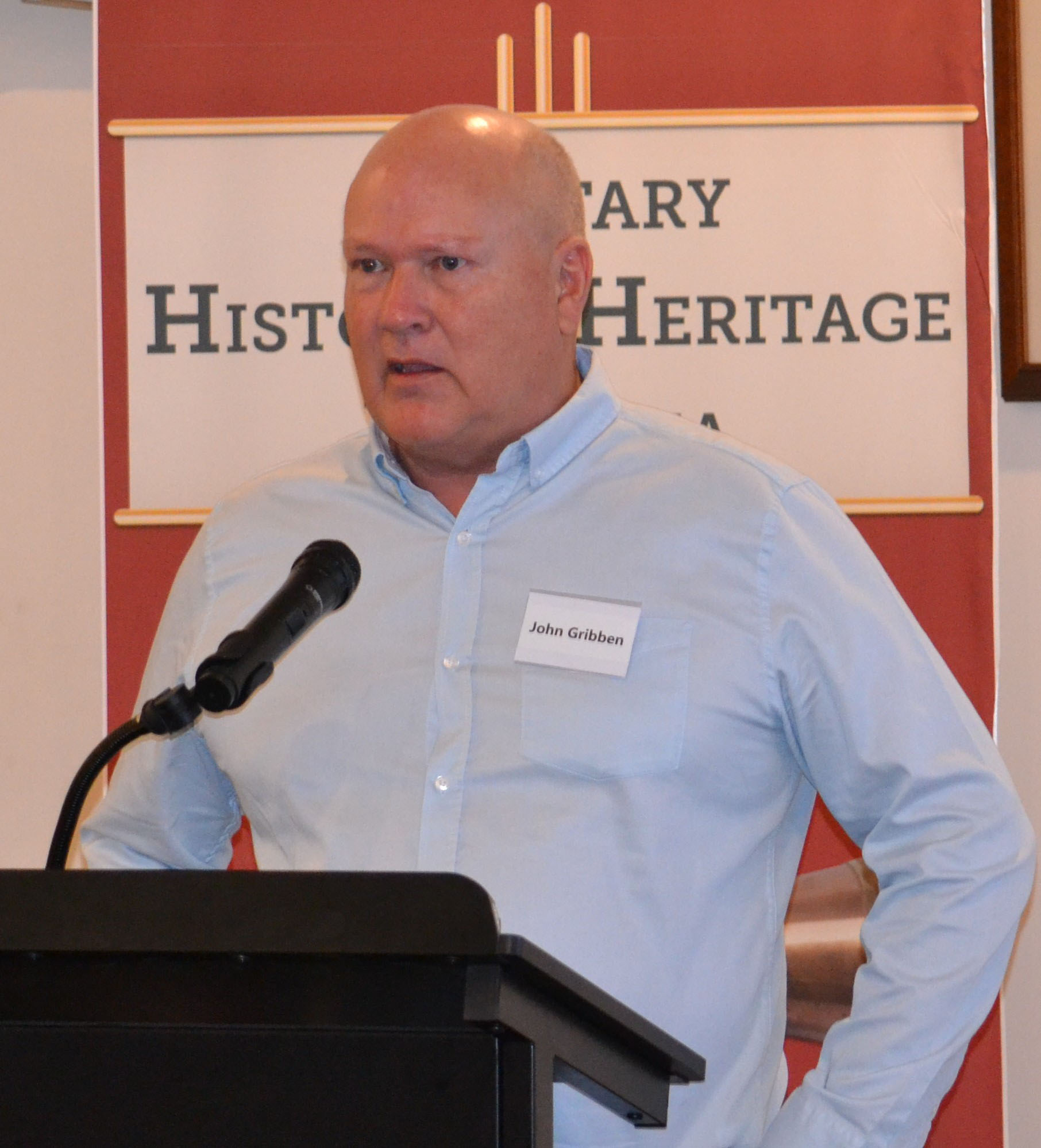 John Gribben is an amateur historian near Tatura, who has a keen interest in the WW2 Prisoner of War (POW) and Internment Camps in Central Victoria. John has conducted tours, given talks and written numerous articles in local newspapers about the WW2 Camps.
At its peak during WWII 12,000 people were in Australian camps. Over the course of the war the inmates included 7000 Australian residents, including 1500 British nationals and 8000 people from overseas including 4,000 enemy combatants.
The local internees were mainly German and Italian families.
Enemy Aircraft across Northern Australia – charting 1,883 incursions 1942-1944 – Dr Tom Lewis OAM.
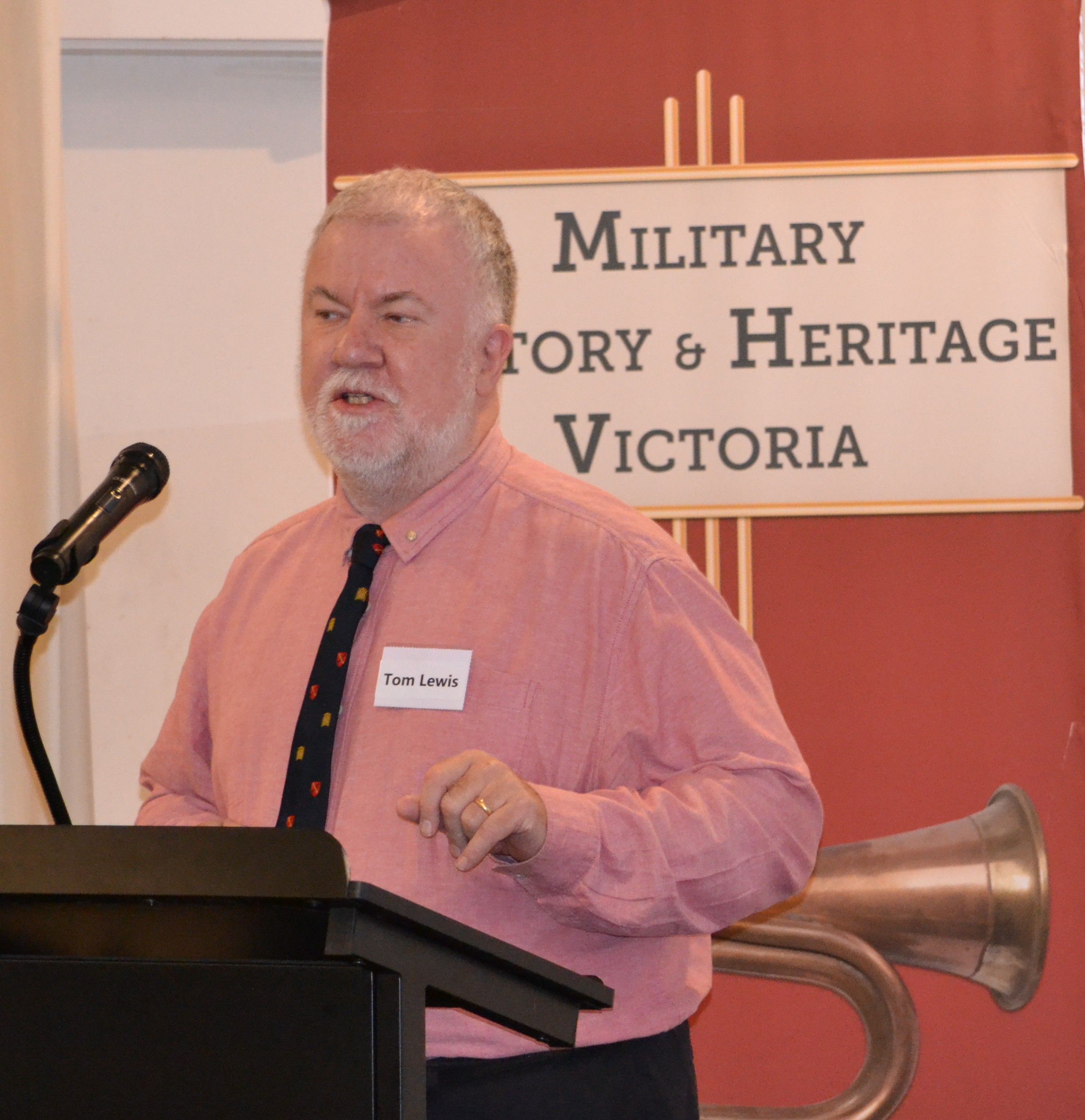 Japanese records now show that the air raids on northern Australia are understated. There were in total 1,883 enemy flights over northern Australia in World War II. This was in 208 combined missions – some of which saw more than 50 aircraft attacking the same target.
That effort by air was preceded by submarine attacks on Darwin which were thwarted by the extreme tidal range and marine defences. Submarine I-24 was destroyed by depth charges from Australian corvette HMAS Deloraine and its ruined hulk is still outside Darwin harbour while it’s three companion subs fled. Prevented by the loss and determined to destroy Darwin and its extensive defences, the Japanese sent four aircraft carriers south launching 188 aircraft to finish the job. In the first attack on 19 February 1942 eleven ships were sunk, 30 aircraft destroyed and 236 people were killed for the loss of two Japanese airmen.
That was just the beginning. The bombers kept coming. Every week, from Exmouth to Townsville, there were air raids, often involving scores of incoming enemy aircraft at a time.
Learning to deal with the attacks radar, radio, searchlights and AA guns all worked together. The planes used by Australia improved and the Japanese planes didn’t, while much of the heavy lifting was done by the Americans. Six out of seven allied crashes were not a result of enemy action.
Bogey over the Kimberley – Brad Manera
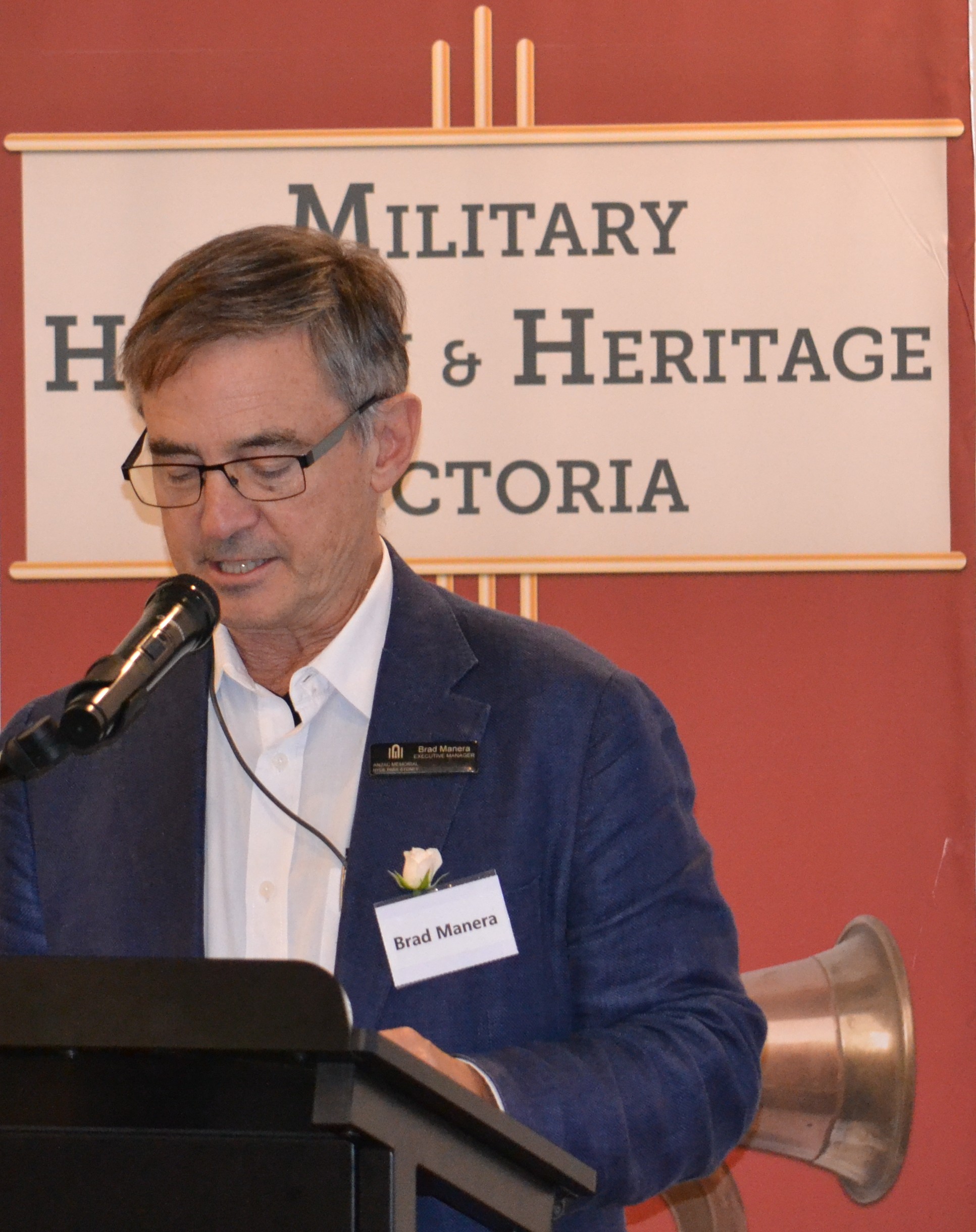 In the dying days of the air war over Australia the Japanese sent a reconnaissance flight from east Timor to report on Truscott airport construction in far norther WA.
They sent an old bomber, type Dina, and not surprising was their concern at meeting some of the new Spitfires now guarding Australia.
They hoped just to sneak in and out. But they weren’t aware of the LWAW radar stations which had impressive range and overlapping reach across the top end of Australia. Radar picked up the old Dina and was very quickly dealt with by the Spitfires.
The remains of the Dina were still to be found in 2007 near the new operating airfield.
Download the complete Conference program here.
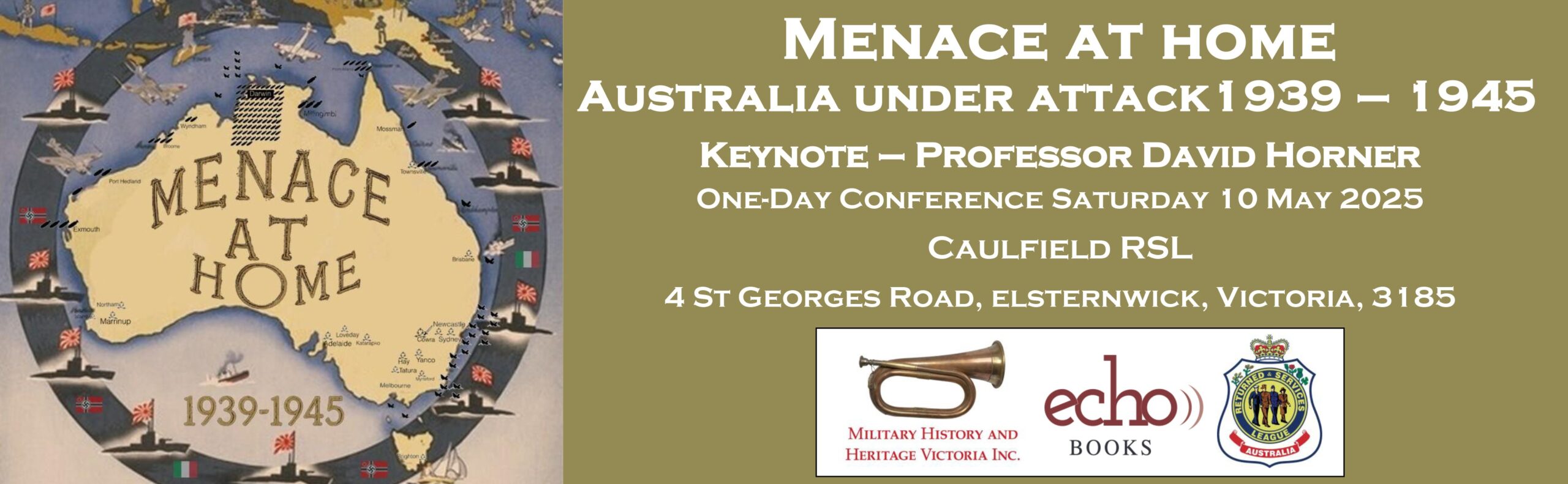
Menace at Home – Australia Under Attack 1939-1945.
CONFERENCE PROGRAM
SESSION ONE | Keynote
9.30 AM – 9.40 AM Welcome
Opening of the Conference
Major-General Jim Barry AM MBE RFD ED (Rtd) MHHV Patron
Session Chair Lieutenant Colonel Michael Buckridge RFD (Rtd) President, MHHV
Introduction of Keynote Speaker
9.40 AM– 10:10 AM Keynote Speaker: Professor David Horner
10.10 AM – 10:15 AM Q&A
SESSION TWO | Trouble in the water
Session Chair Lieutenant Colonel Murray Duckworth, CSM
10.45 AM – 11.10AM Hitler’s Pinguin Parade – David Mitchellhill-Green
11.10 AM – 11.35 AM The Secret Submarine: how the RAAF sank the Japanese I-178 off Sydney – Dr Tom Lewis OAM, military historian
11.35 AM – 11.45 AM Q&A
SESSION THREE | Menace off the East Coast
Session Chair Mr David Phillipson
11.45 AM – 12.10 PM Submarine reconnaissance of the Victorian Coast – Jason McGregor, MHHV Secretary and Conference Convenor
12.10 PM – 12.35 PM War at the Door; Sydney 1942 – Dr Catie Gilchrist, Exhibitions Research Officer, Anzac Memorial, Hyde Park, Sydney.
12.35 PM – 12.45 PM Q&A
SESSION FOUR | Friends or Foes
Session Chair: Colonel Marcus Fielding (Rtd)
1.45 PM – 2.15 PM Murder at Dusk: How US Soldier and Smiling Psychopath Eddie Leonski Terrorised Wartime Melbourne – Ian W Shaw, author
2:15 PM – 2:20 PM Q&A
2.20PM – 2.50 PM Cowra – A battle fought on Australian land – Mat McLachlan
2.50 PM – 3.15 PM POW and Internment Camps in Central Victoria during WW2 – John Gribben
3:15 PM – 3:20 PM Q&A
SESSION FIVE | Terror in the sky.
Session Chair: Mr Brent Taylor
3.50 PM – 4.15 PM Enemy Aircraft across Northern Australia – charting 1,883 incursions 1942-1944 – Dr Tom Lewis OAM, military historian
4.15 PM – 4.40 PM Bogey over the Kimberley – Brad Manera, Senior Historian / Curator, Anzac Memorial, Hyde Park, Sydney.
4.40 PM – 4.50 PM Q&A
4.50 PM – 5.00 PM Closure of the Conference – Major-General Jim Barry AM MBE RFD ED (Rtd), MHHV Patron
Written by Brent Taylor and Jason McGregor
Contact Brent D Taylor about this article.