Videos and Papers from MHHV’s 6th Biennial Two-Day Conference of Military History and Heritage Victoria Inc. at the Tobruk House, Albert Park, 16-17 May 2026.
This conference examined the conflict in Vietnam from the end of WWII to 1975 and its impact until 2026. It examined historical and strategic factors leading to the war and Australian involvement. New research and new interpretations of the war itself and Australian operations on land and air, including stories by those who were there, take centrepiece. Finally, the conference considered the impact of the war on veterans and families alike, along with reflections on the aftermath of the war and its impact 50 years after its end.
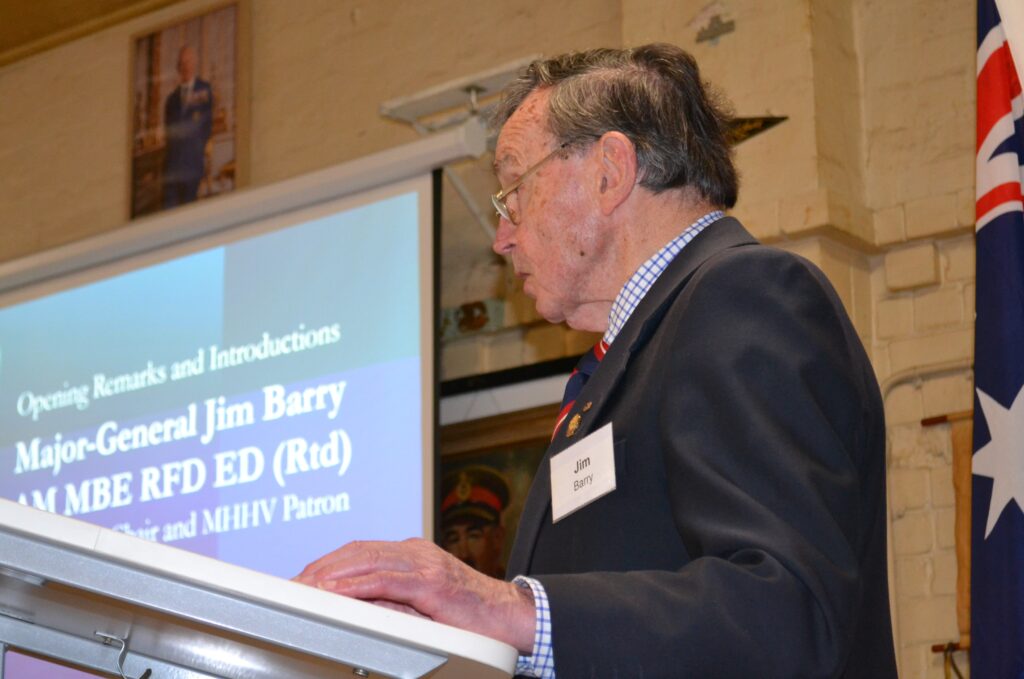
The opening sessions of a Military History and Heritage Victoria conference focused on Vietnam War history, marking the 50th anniversary of the war’s end and 30th anniversary of normalized relations between the US and Vietnam.
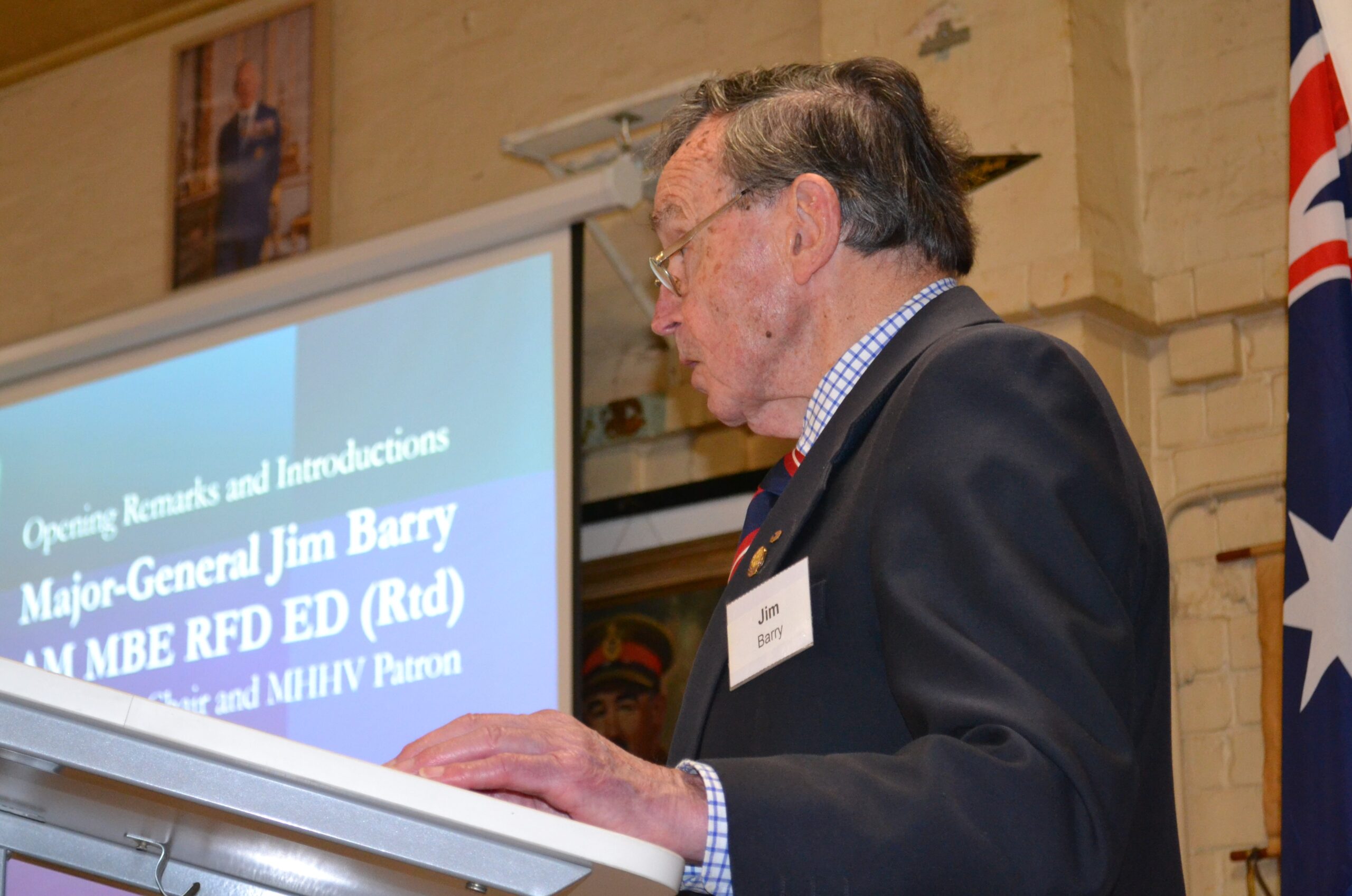
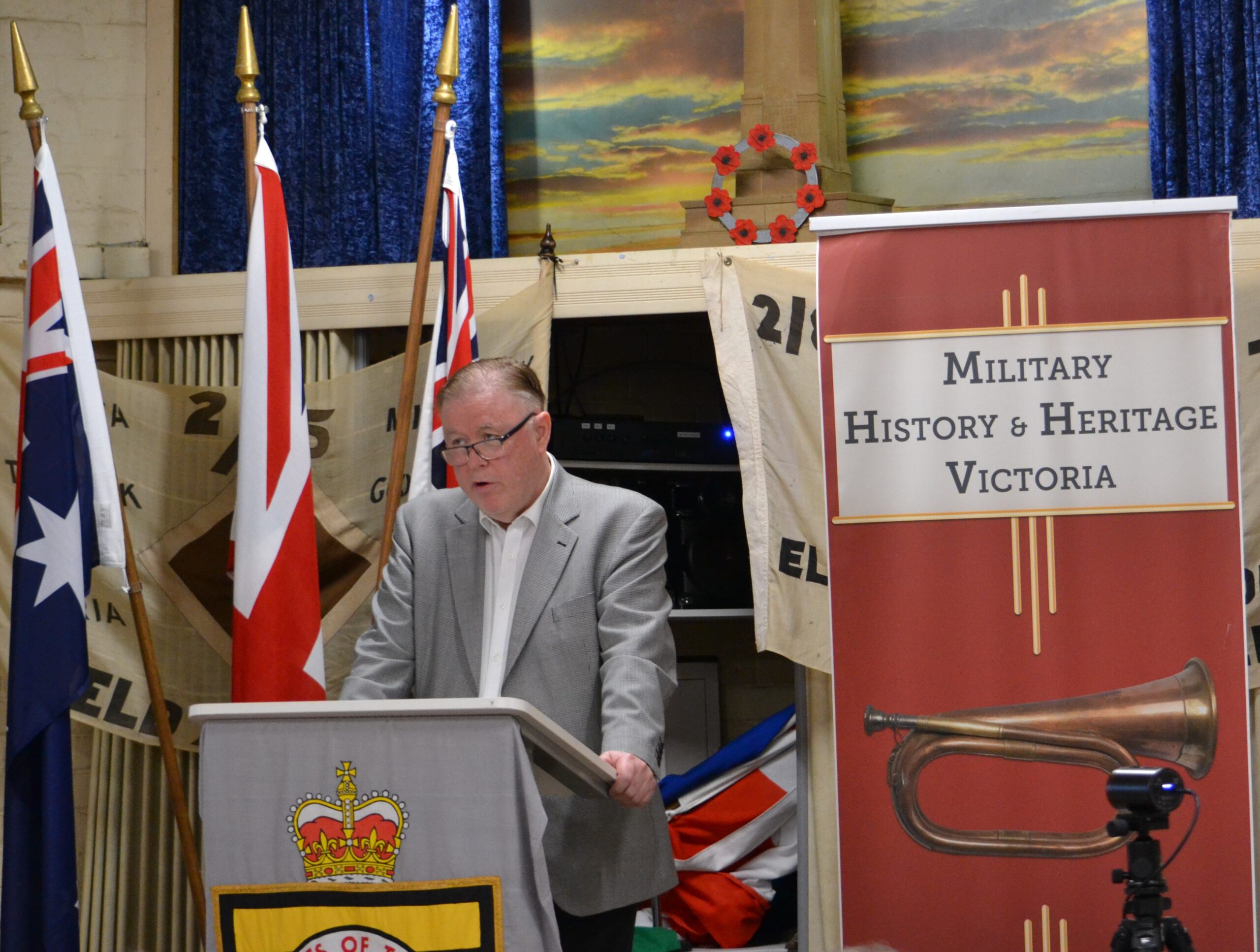
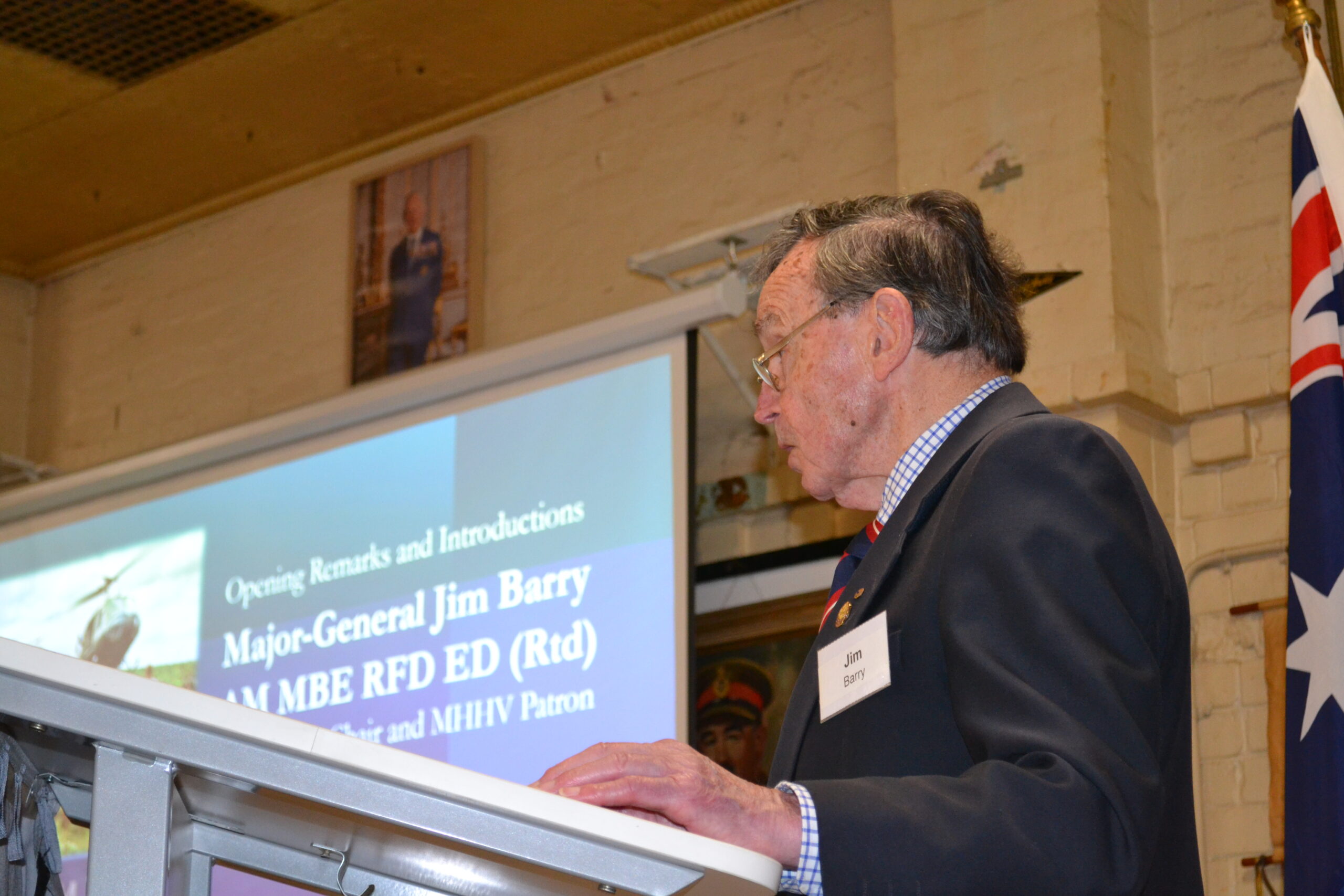
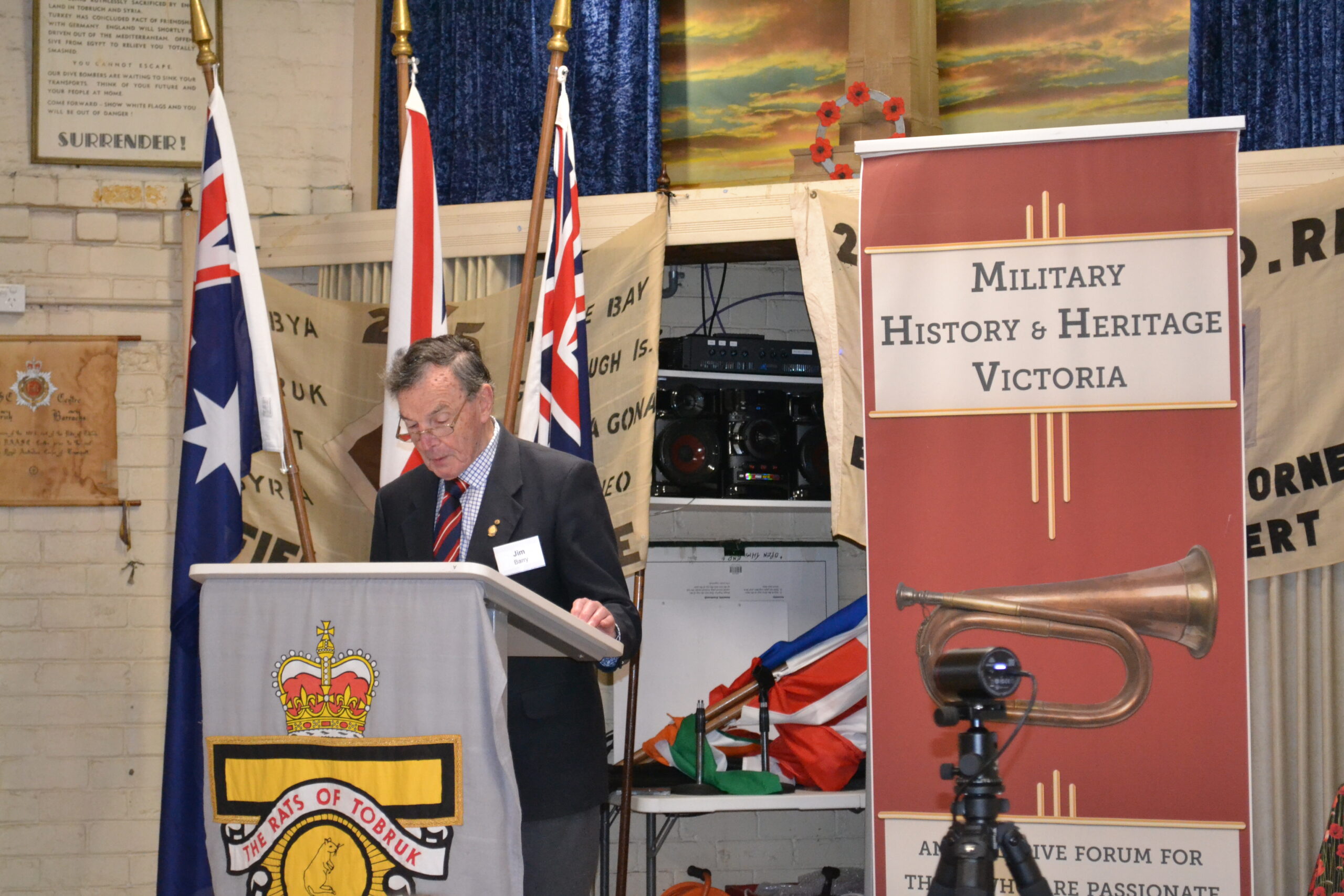
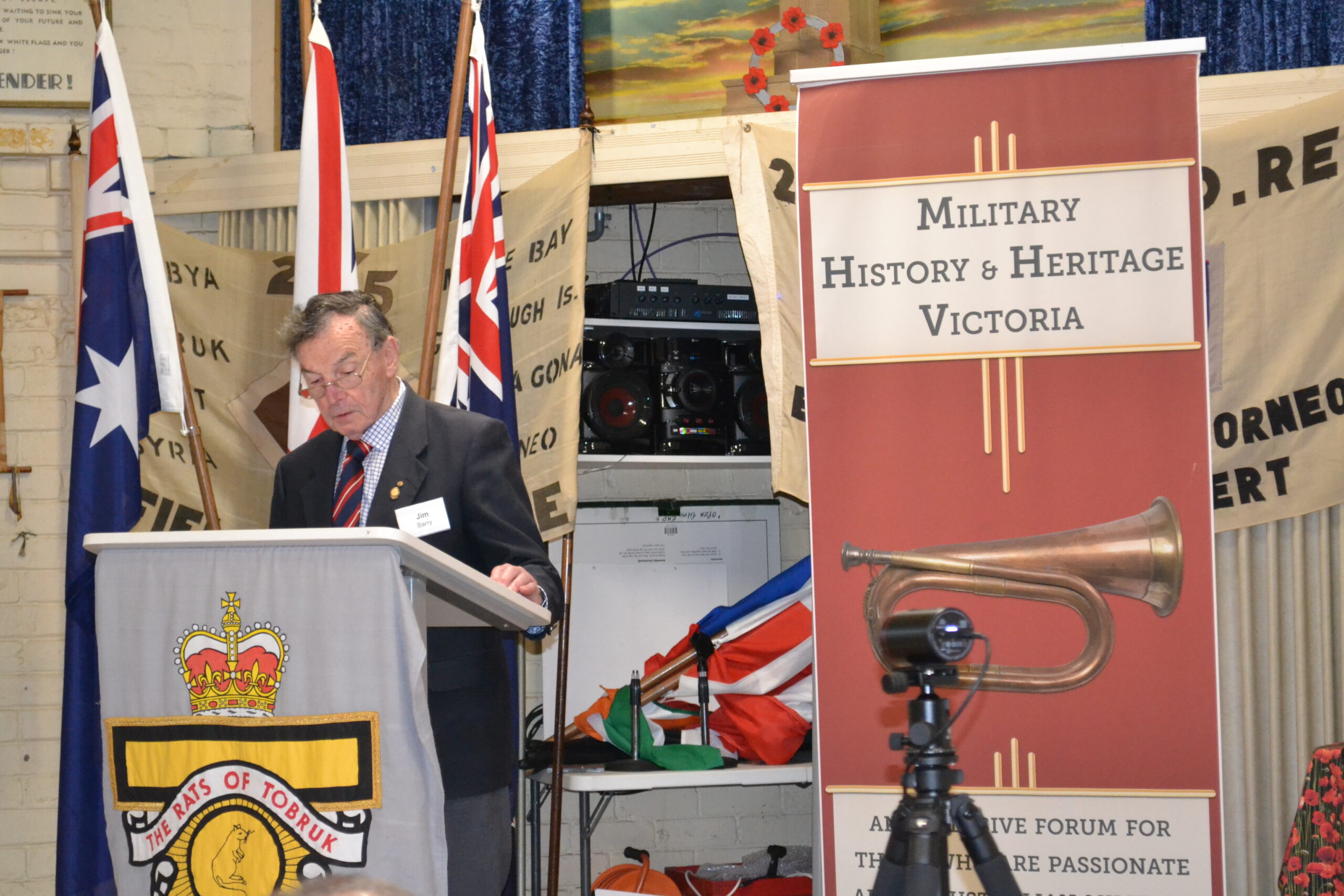
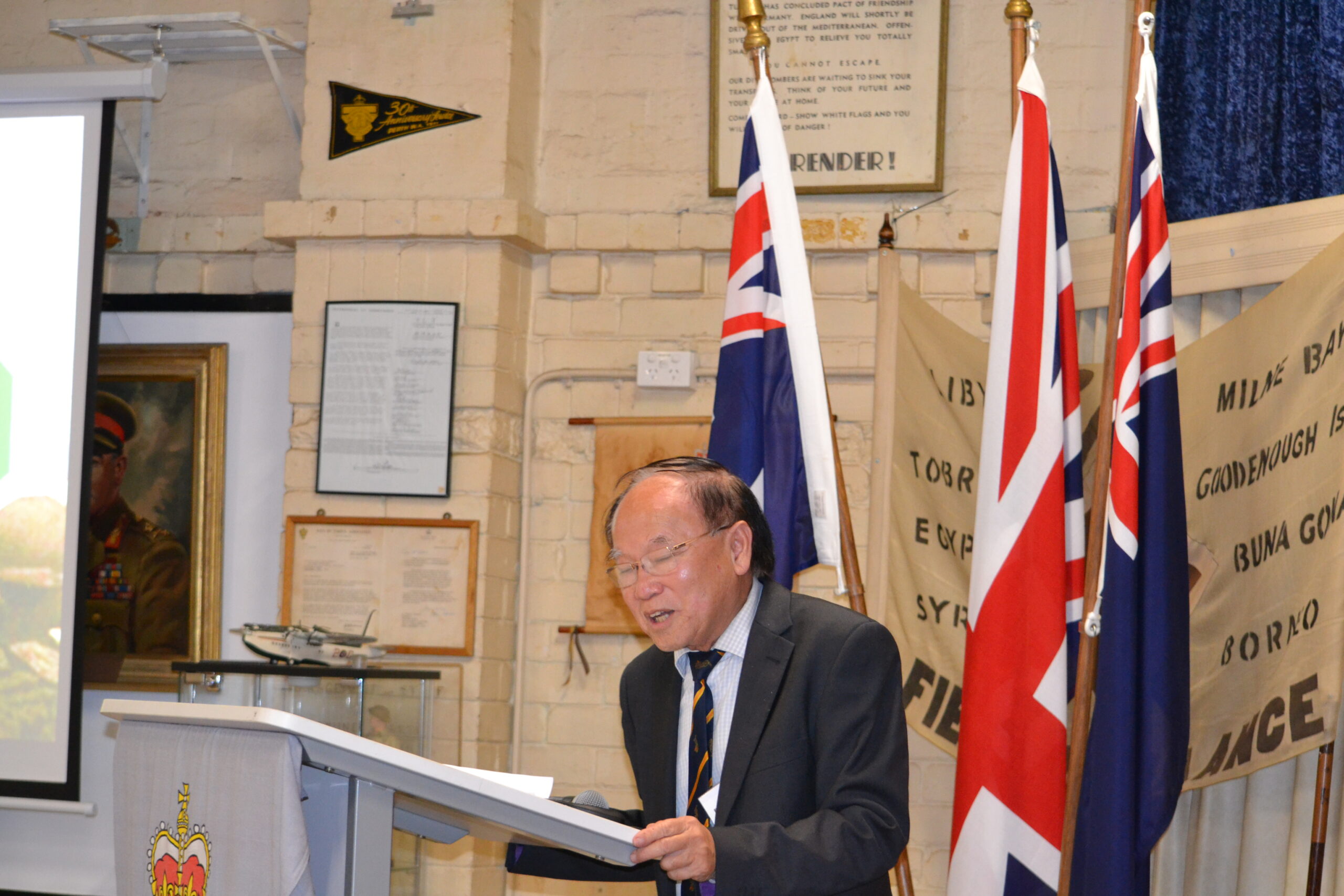
The 21st conference organised by Military History and Heritage Victoria began with a welcome from MHHV Patron, Major-General Jim Barry AM MBE RFD ED (Rtd), and an acknowledgment of the organization’s 15th anniversary since its launch in 2011. MAJGEN Barry welcomed attendees and acknowledging the conference’s focus on Vietnam’s 50th anniversary of the end of its 30-year war. He thanked the conference convener, Dr. Andrew Kilsby, and the sponsors, particularly the Rats of Tobruk Association, for their support.
War’s end and normalisation of relations
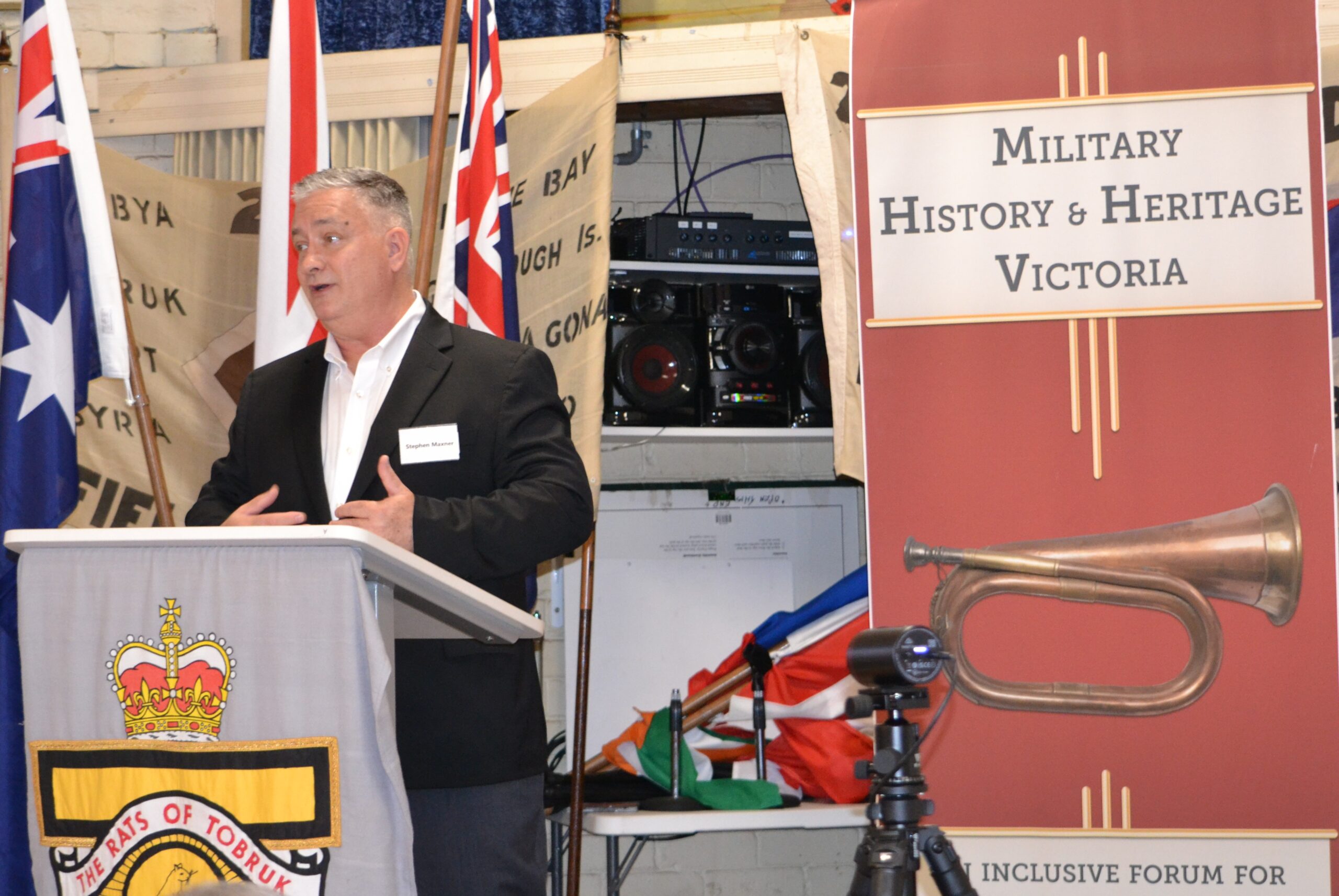
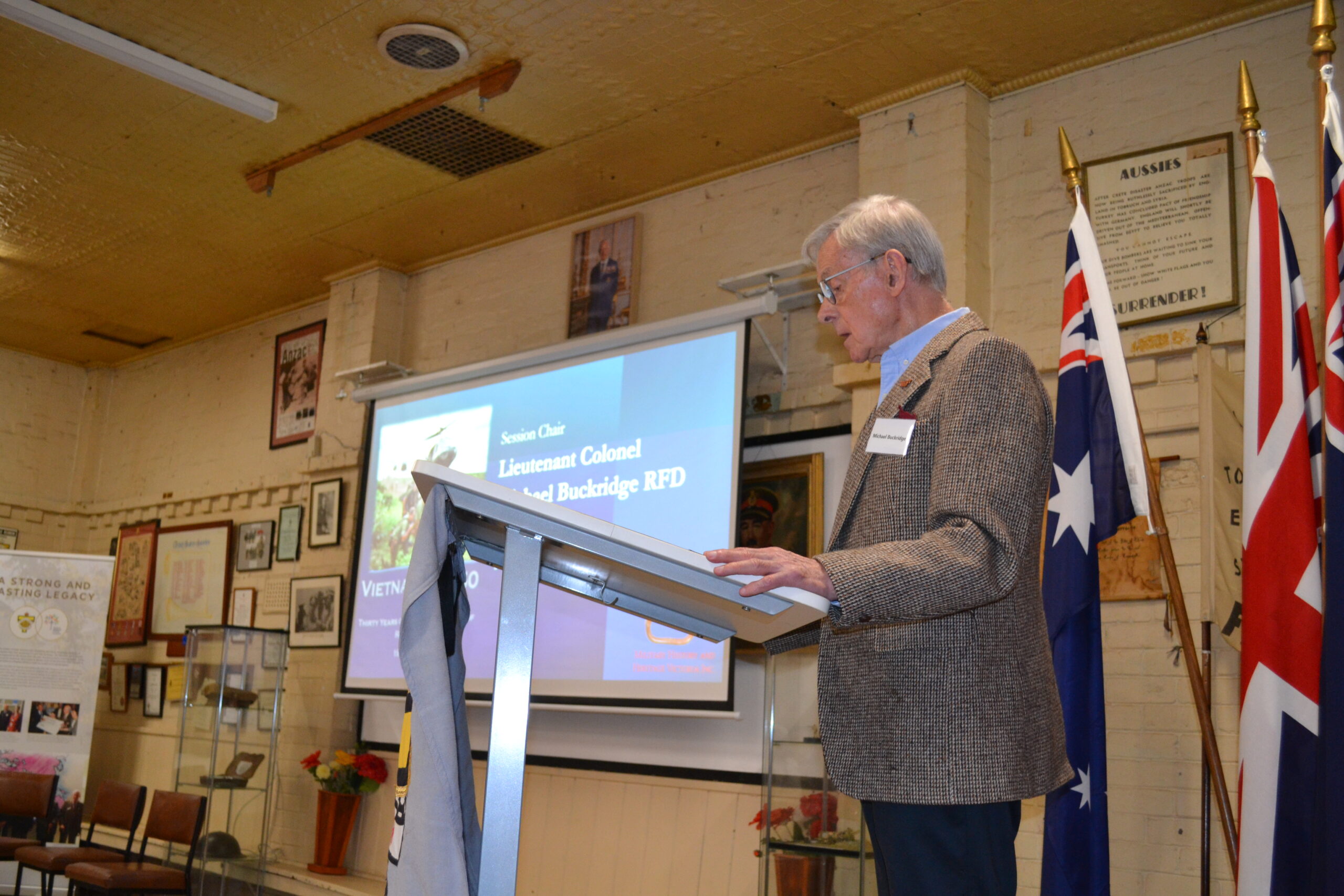
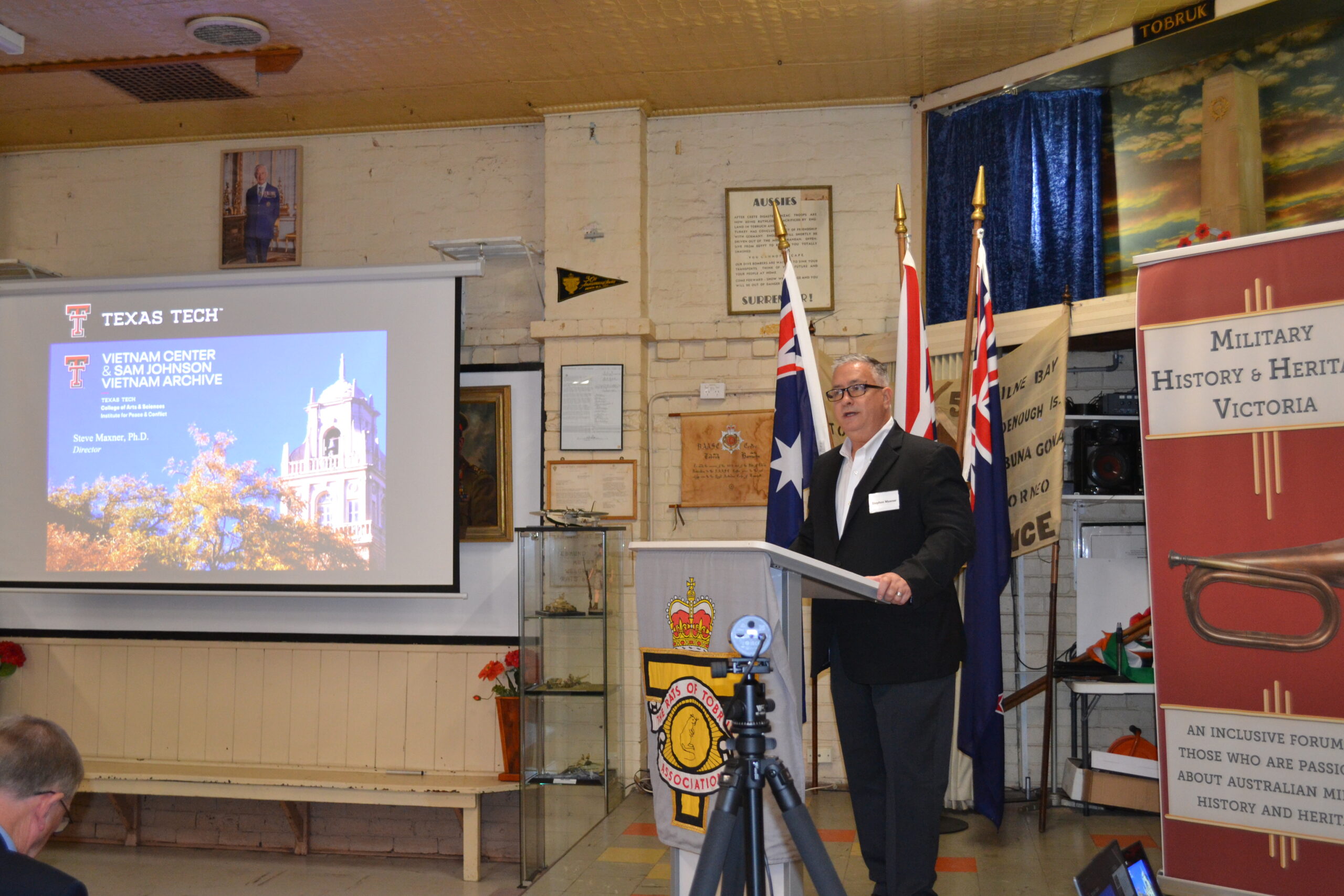
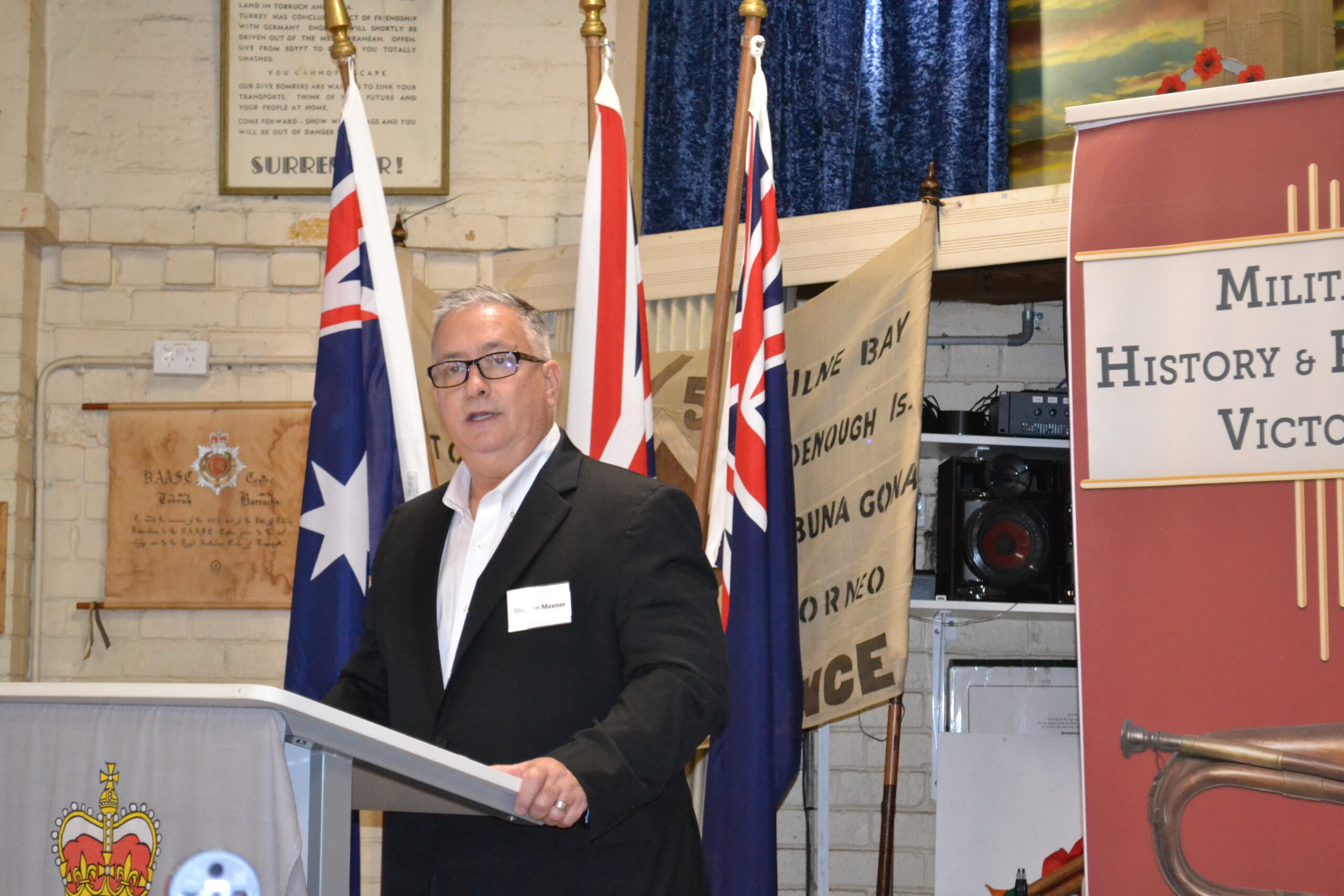
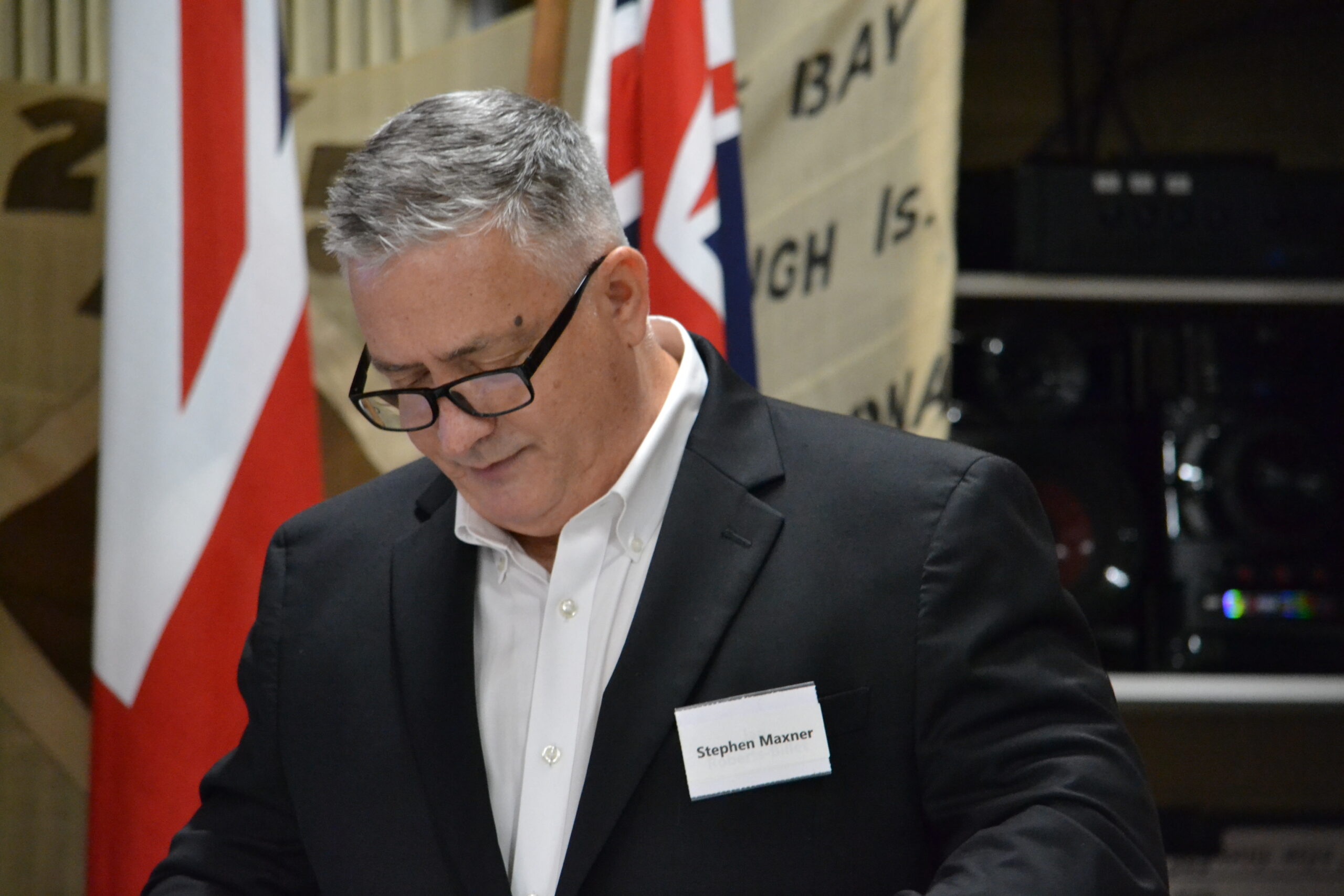
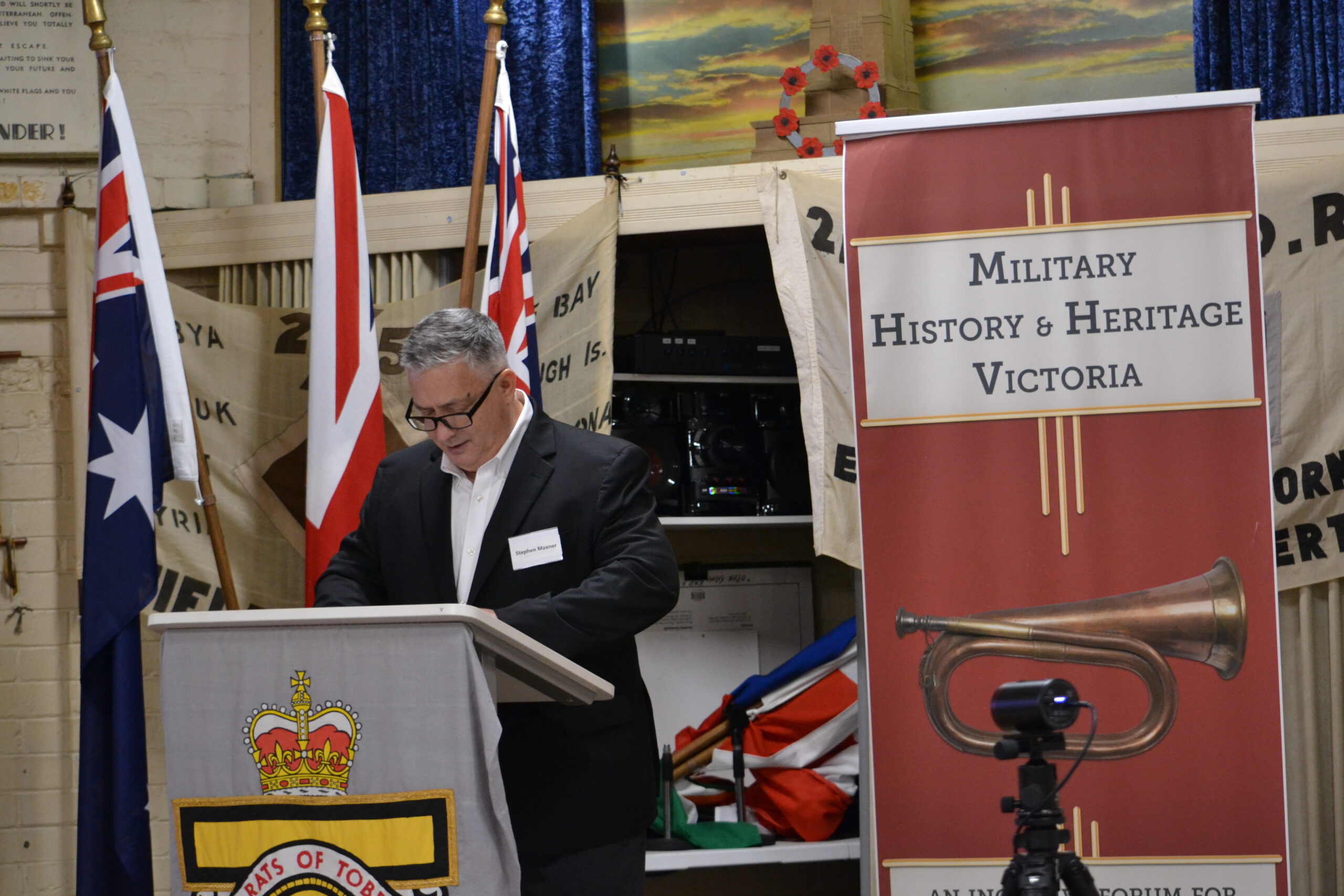
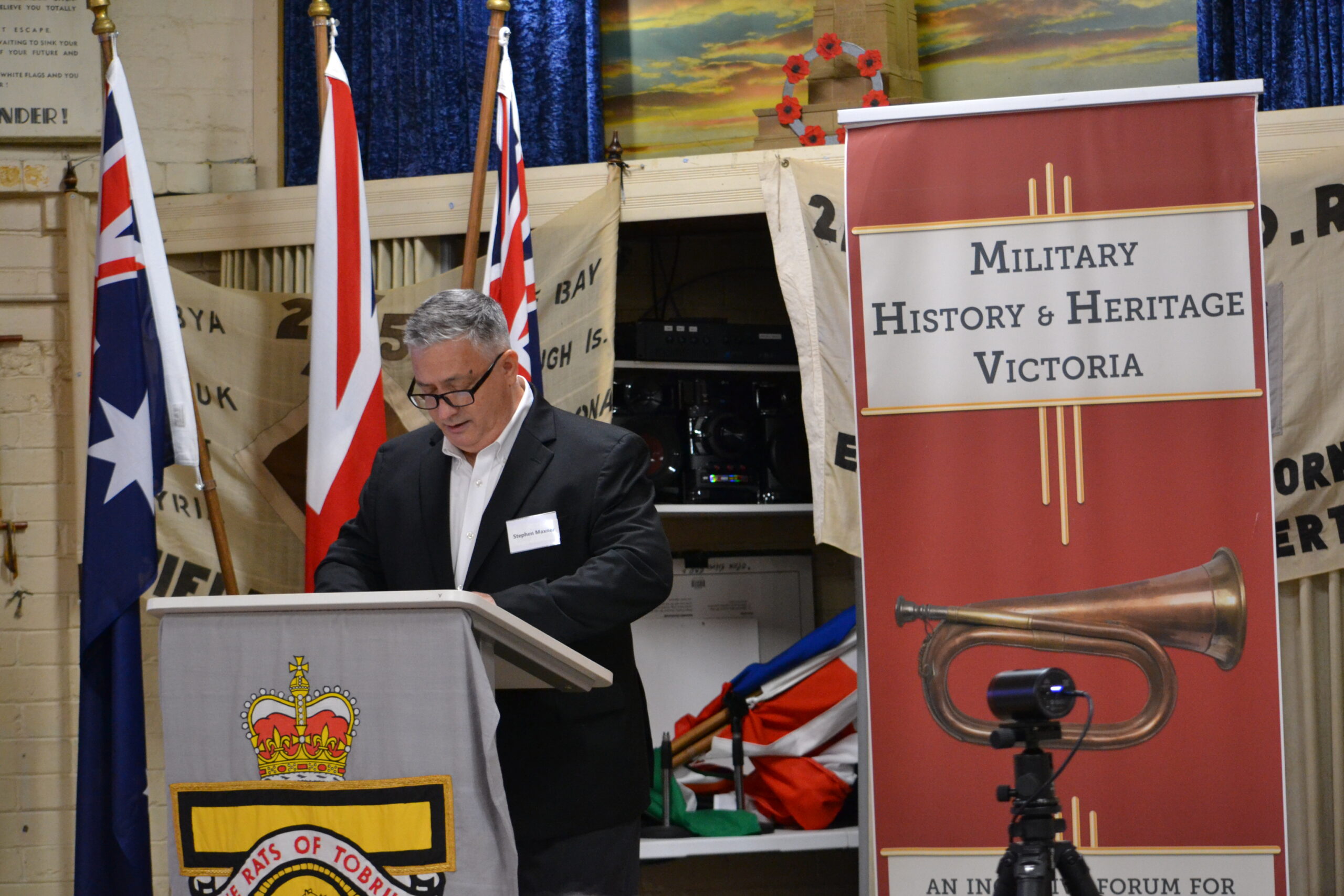
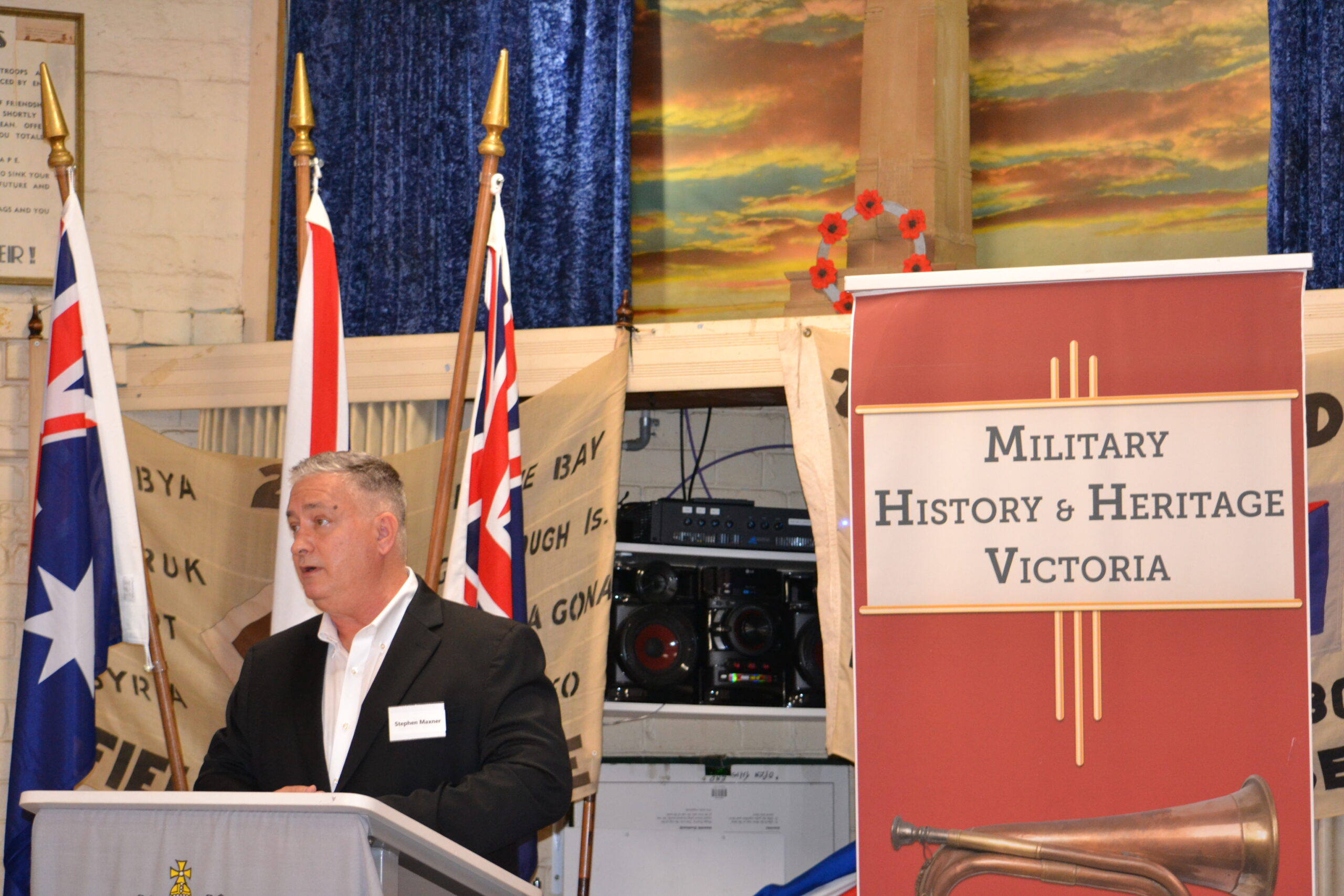
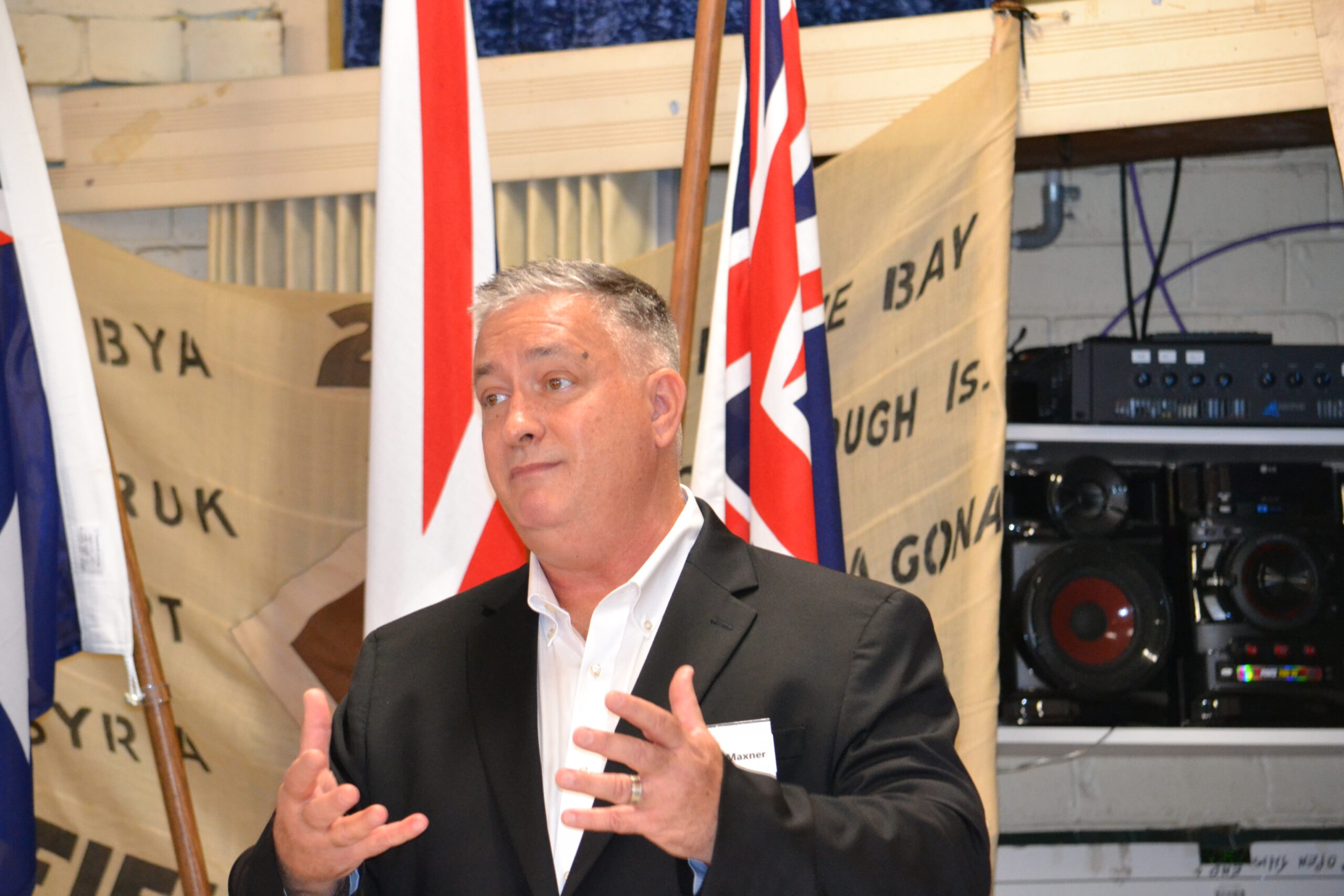
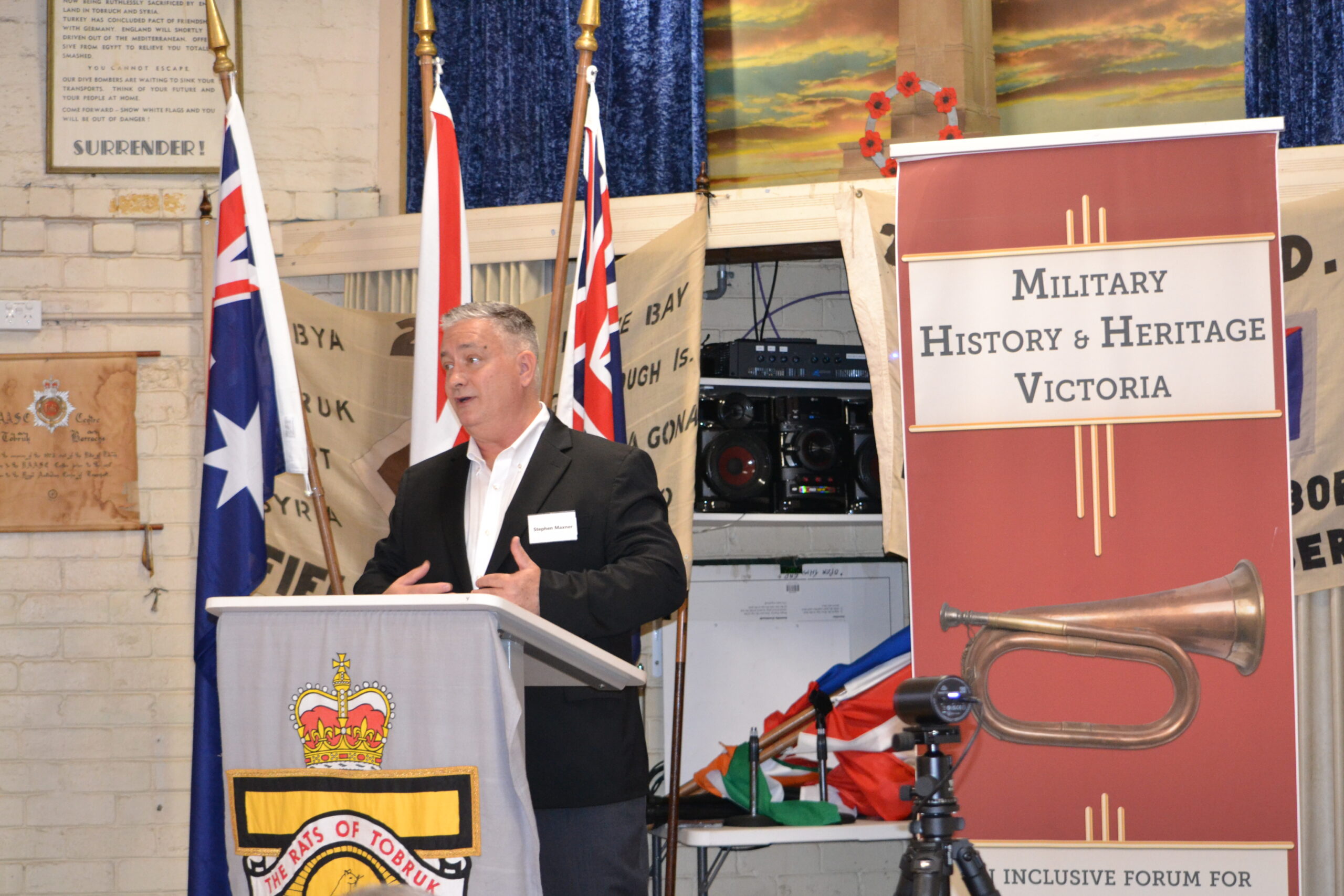
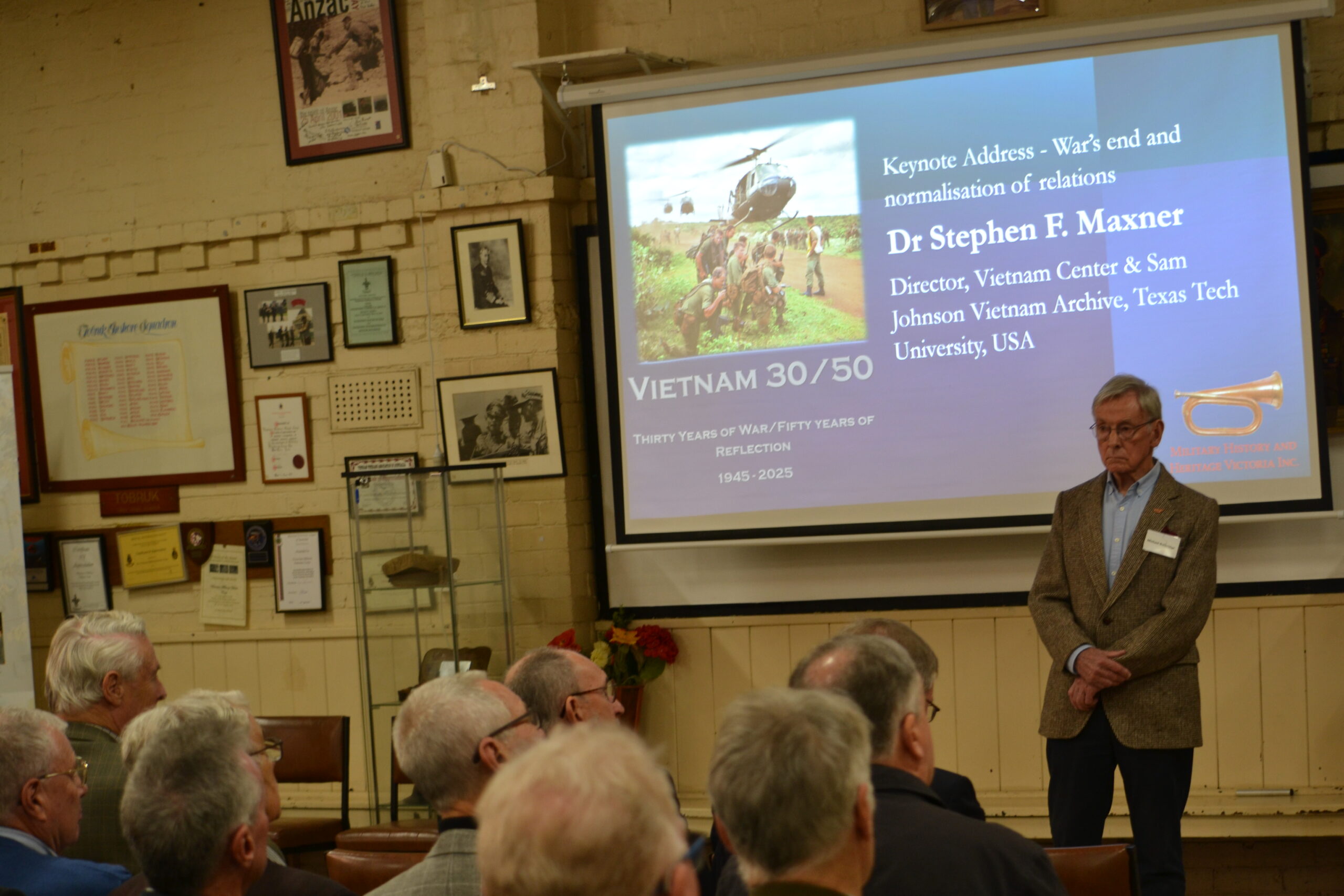
MHHV President, Lieutenant Colonel Michael Buckridge RFD, introduced Vietnam Center & Sam Johnson Vietnam Archive, Texas Tech University, USA, Director, Dr. Stephen F. Maxner’s keynote address on “The End of the Vietnam War and the Normalization of Relations.”
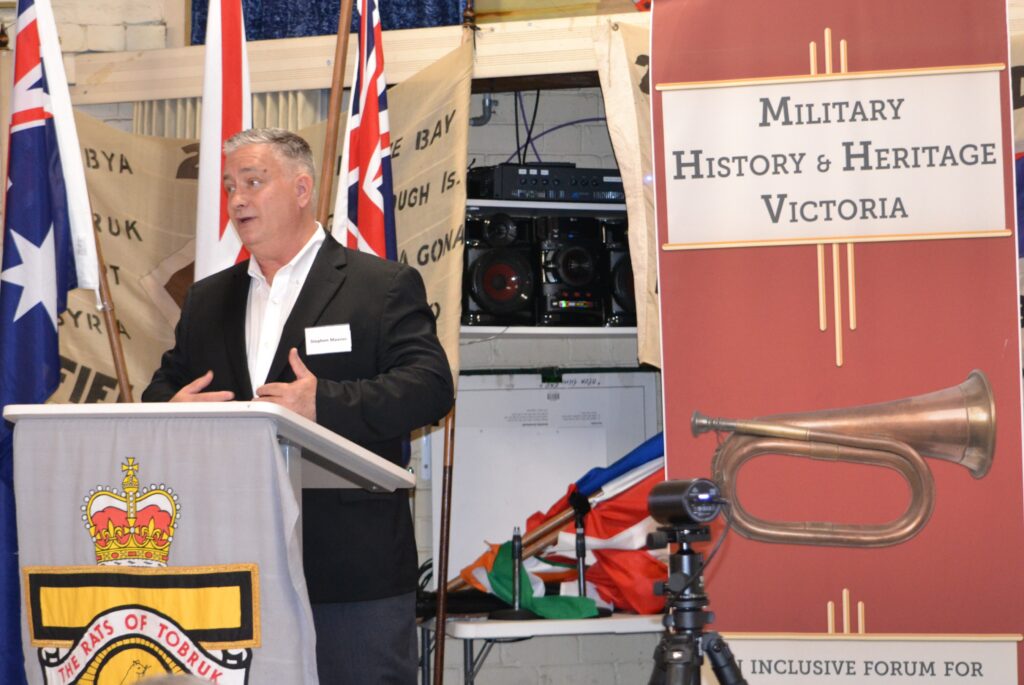 Dr. Maxner presented on the evolution of U.S.-Vietnam relations following the Vietnam War, highlighting key developments from 1982 to the present. He discussed the completion of the Vietnam Veterans Memorial Wall in 1982, the normalization of diplomatic relations in 1995, and the subsequent growth in trade and military cooperation. The Keynote also discussed the significant human costs of the war, including US military casualties of over 58,000 killed and 33,000 wounded, along with Vietnamese losses estimated at approximately 1.1 million military deaths. The presentation covered the complex diplomatic journey from enemy nations to strategic partners, highlighting challenges in addressing post-war issues like POW/MIA accounts, dioxin contamination, and unexploded ordnance. He also touched on the challenges of recovering remains from the Republic of Vietnam, noting political complexities and the need to work with the Vietnamese diaspora community. The discussion included questions about archival resources, the ideological aspects of the Vietnam War, and the domino theory’s role in U.S. policy decisions.
Session 1 – Highways to a War
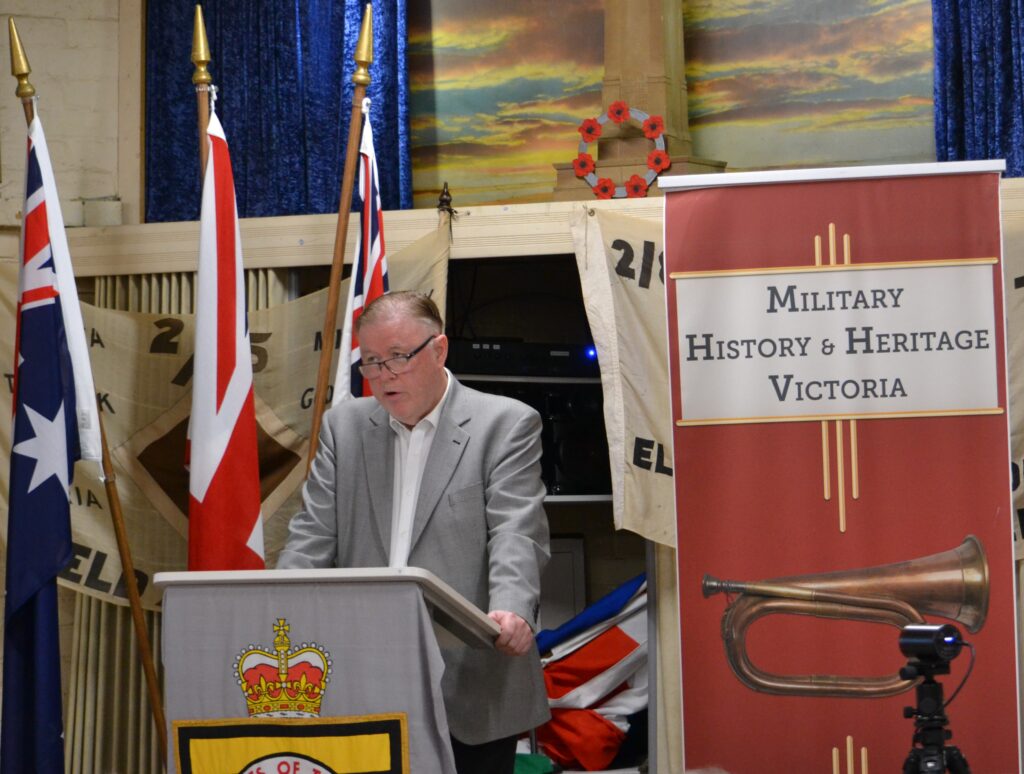 Following the keynote, MHHV Vice-President, Lieutenant-Colonel Murray Duckworth CSM, introduced sessions on the First Indochina War, with Conference Convenor, MHHV Committee Member, professional historian and published author, Dr. Andrew Kilsby presenting “Hell in a Very Small Place” about the Dien Bien Phu battle.
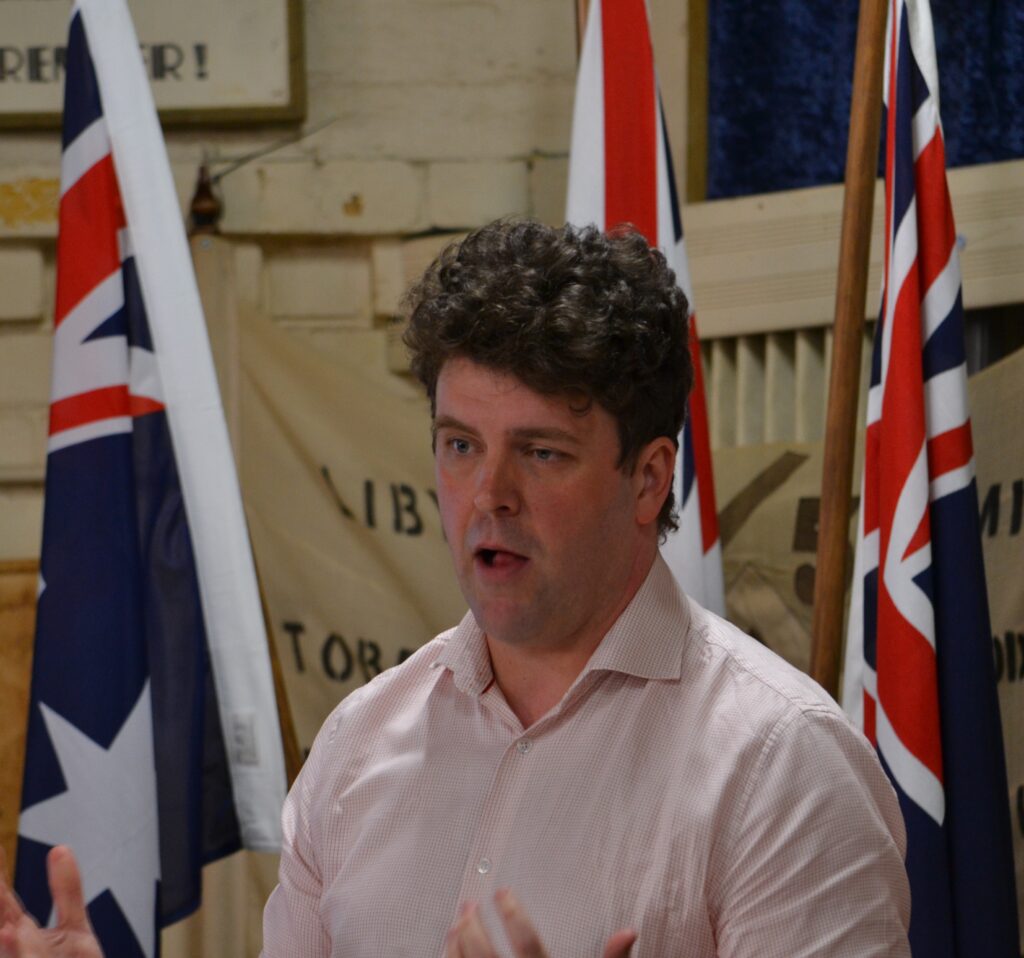
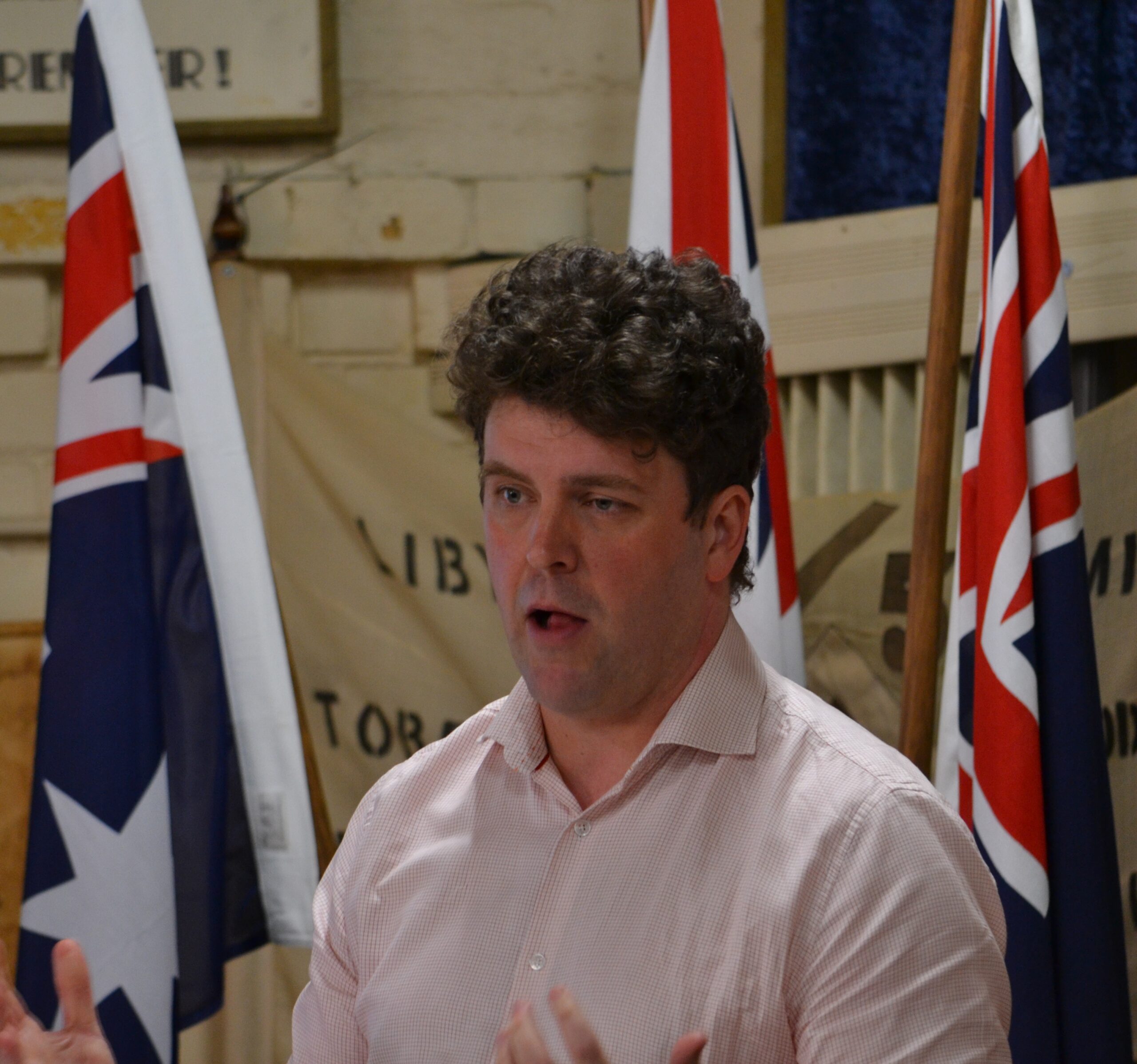
Followed by Australian Defence Force Academy at UNSW Canberra Lecturer, Dr Thomas Richardson discussing “An Army Transforms: The Australian Army’s Road to Vietnam, 1953 to 1965,” examining how Australia’s military evolved from a citizen soldier force to one focused on national power and Asian engagement.
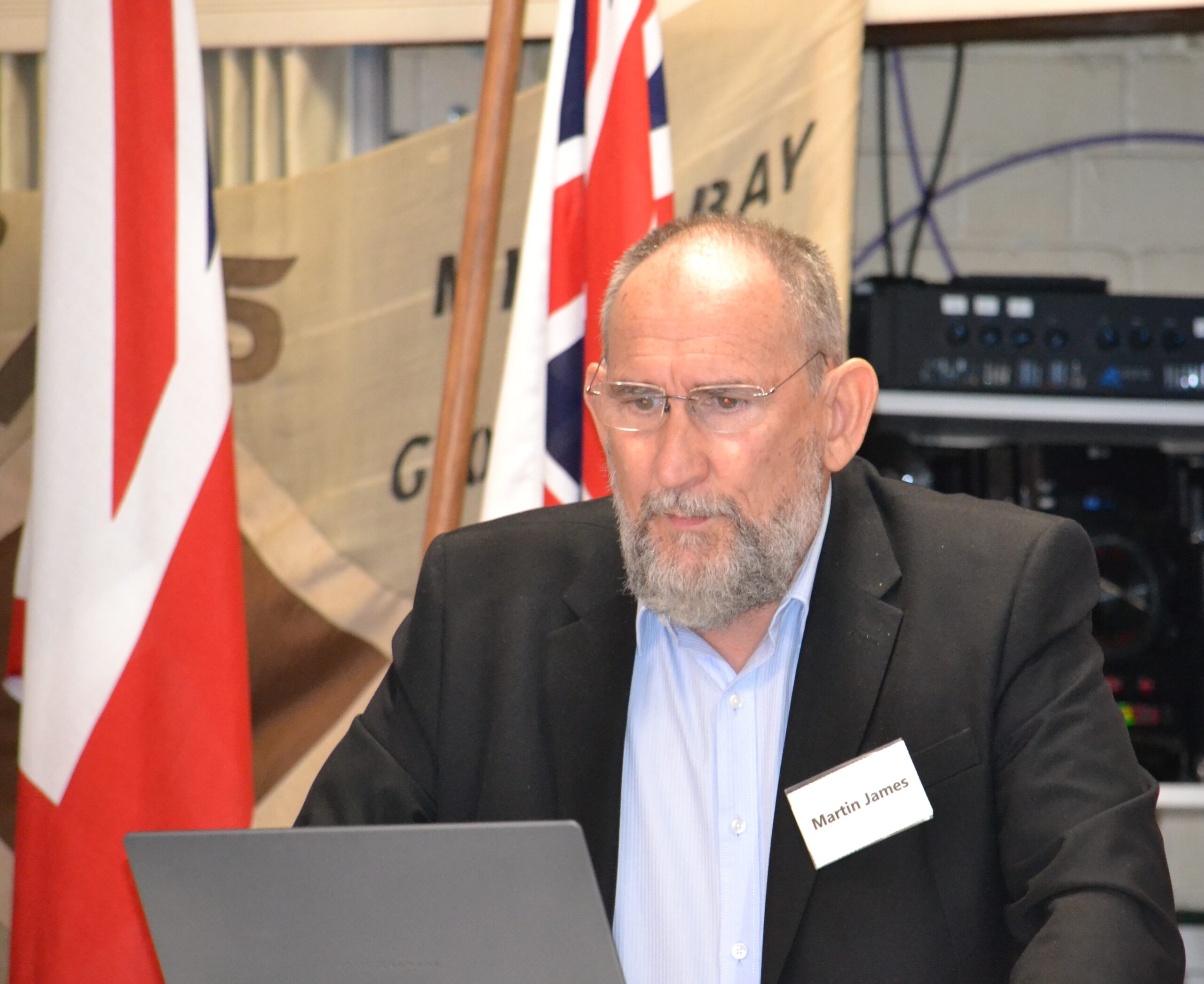
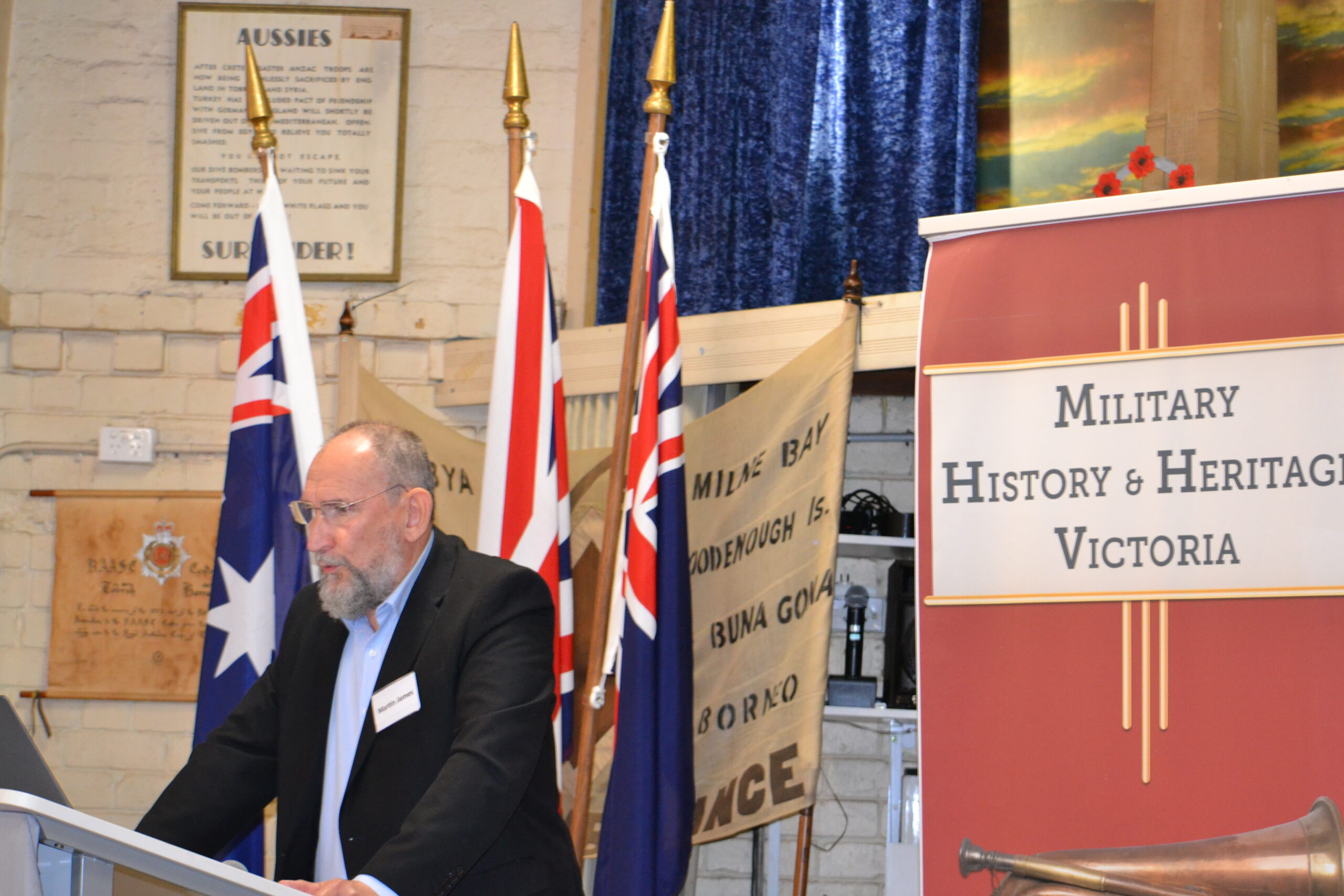
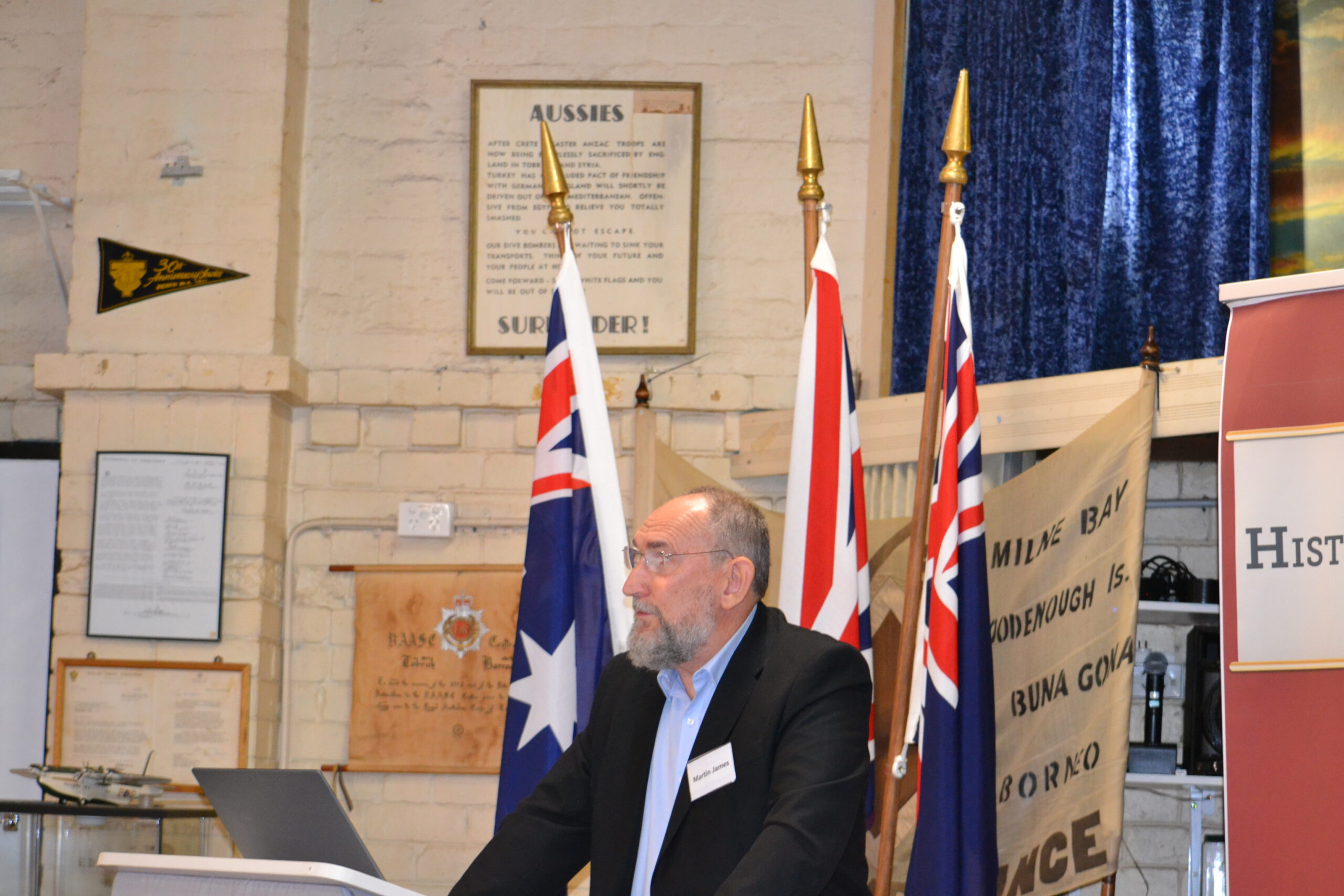
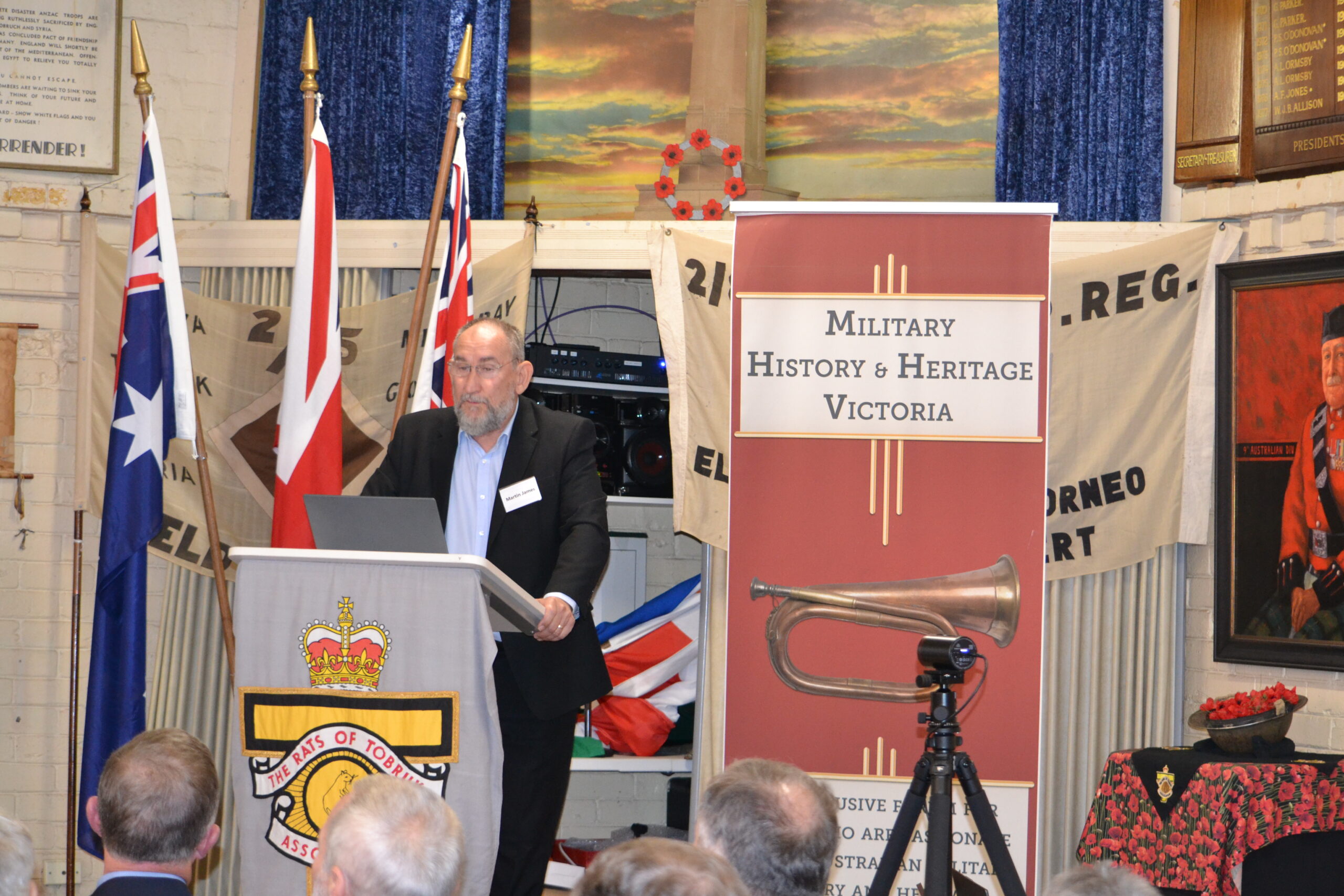
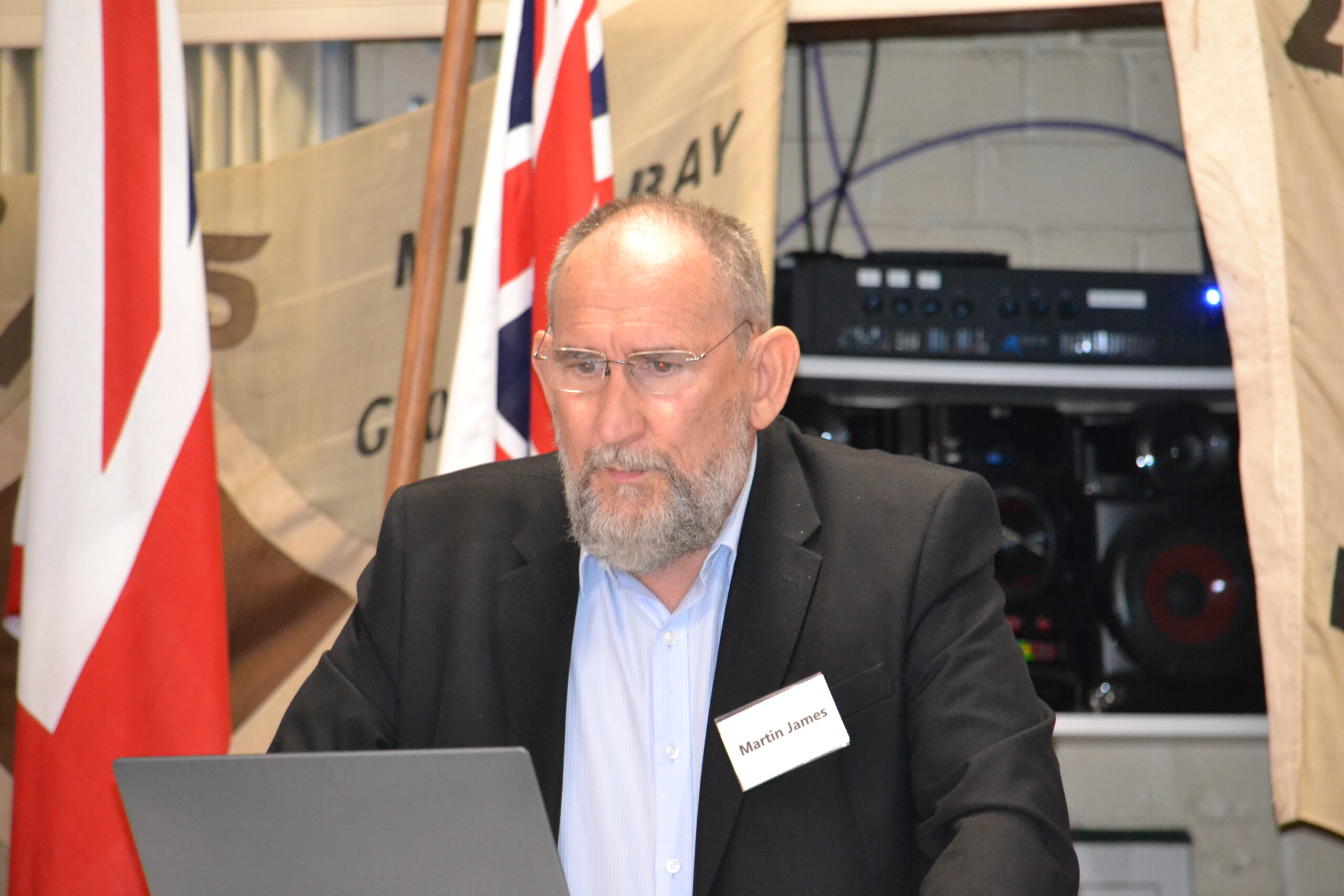
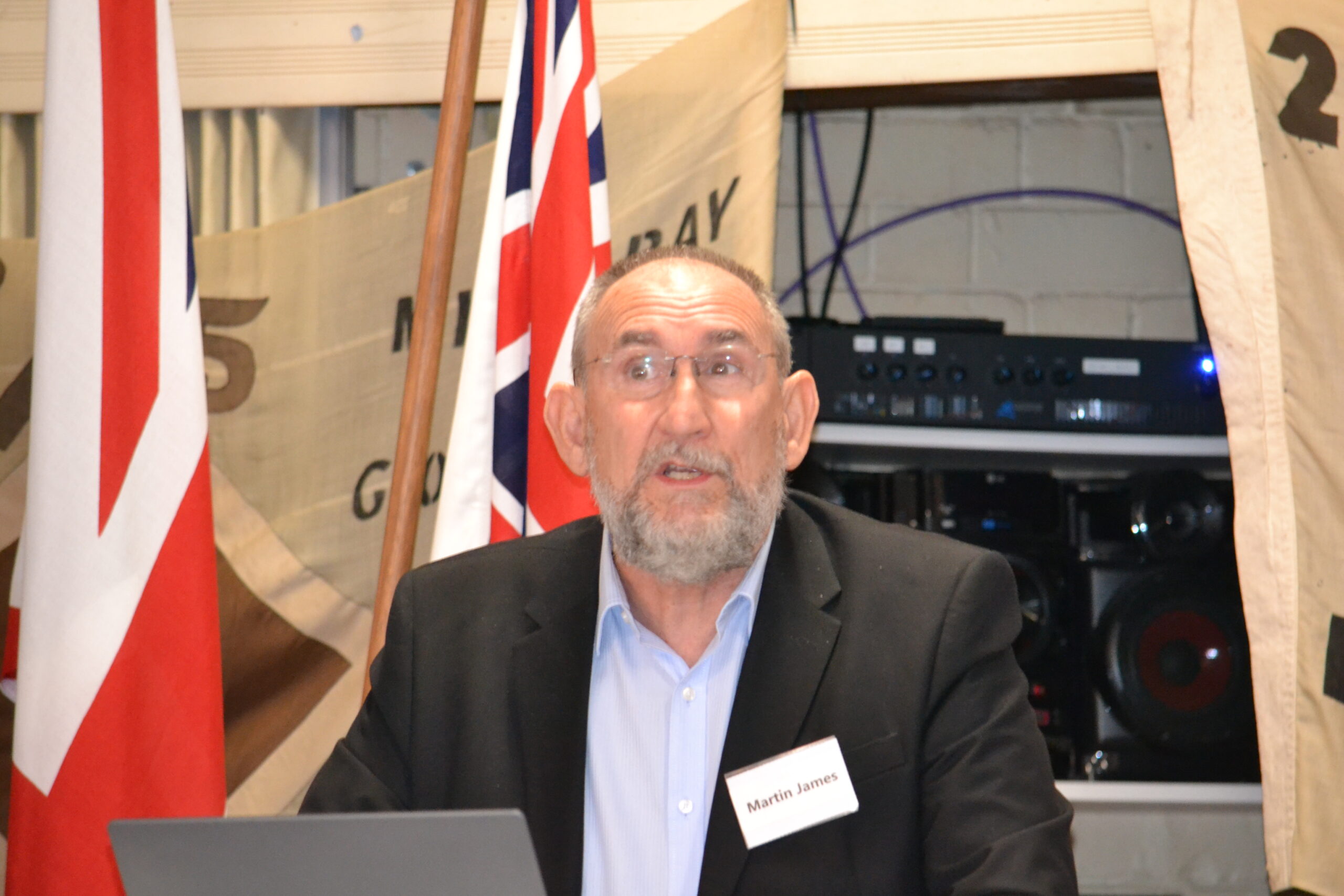
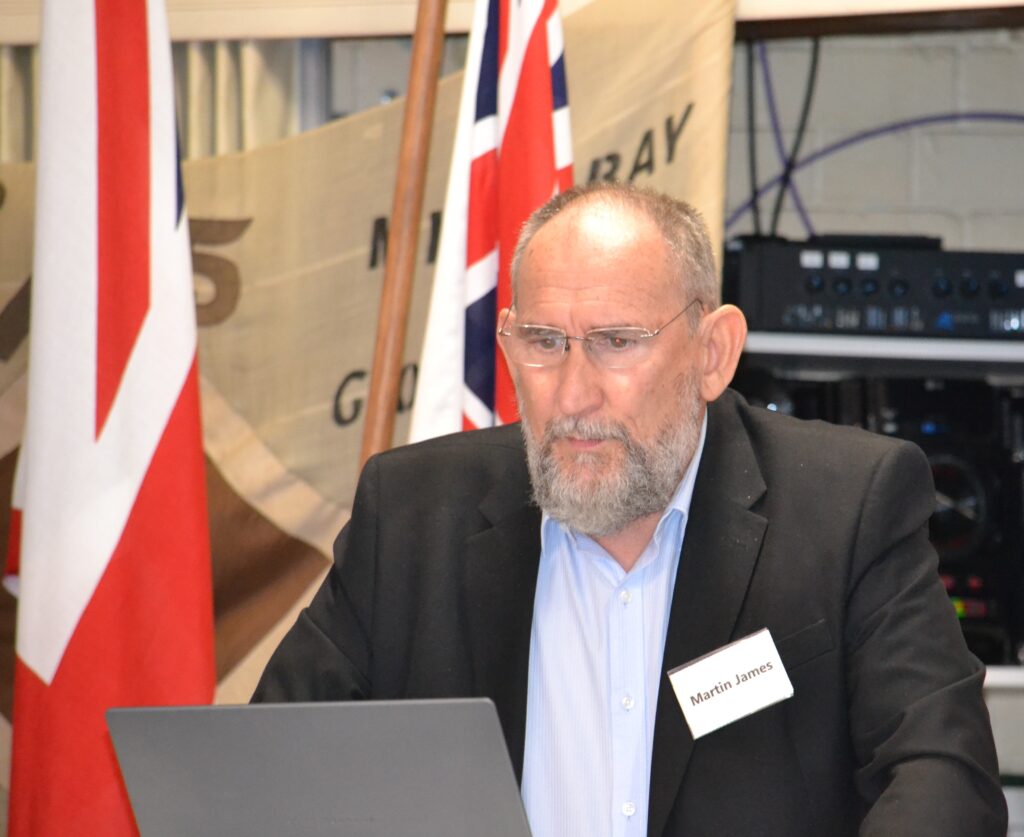 Historian, former Head of the Office of Air Force History, Martin James, MDefStud delivered a paper analysing why Western military force failed to achieve its strategic aims in the Vietnam War. Ultimately, the paper outlines four key lessons: military force alone cannot resolve deeply ideological conflicts, operational success does not ensure strategic victory, single-domain campaigns are obsolete, and air power requires unified, seamless command to align tactical actions with national strategy.
Session 2 – The Road Not Taken
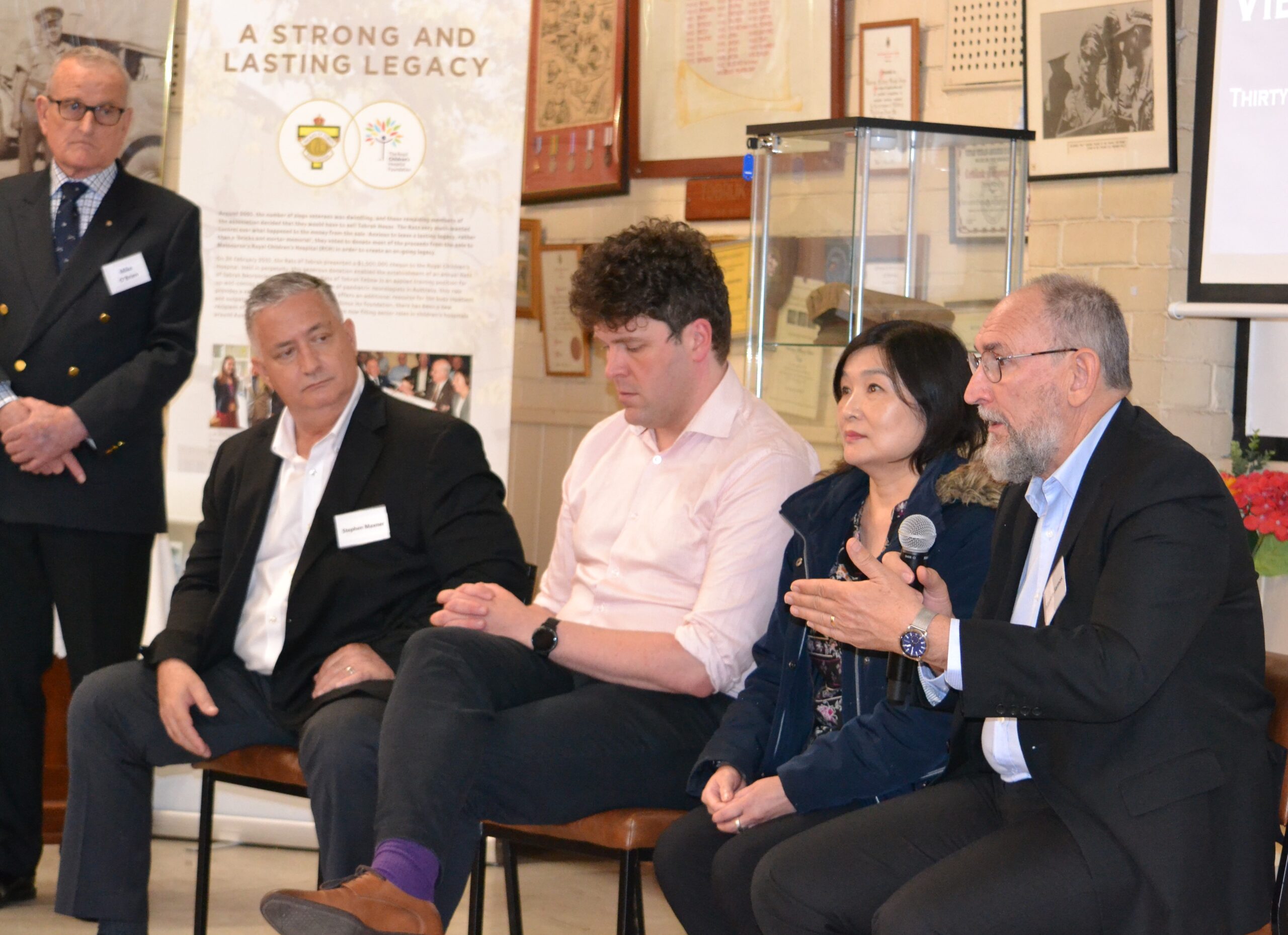
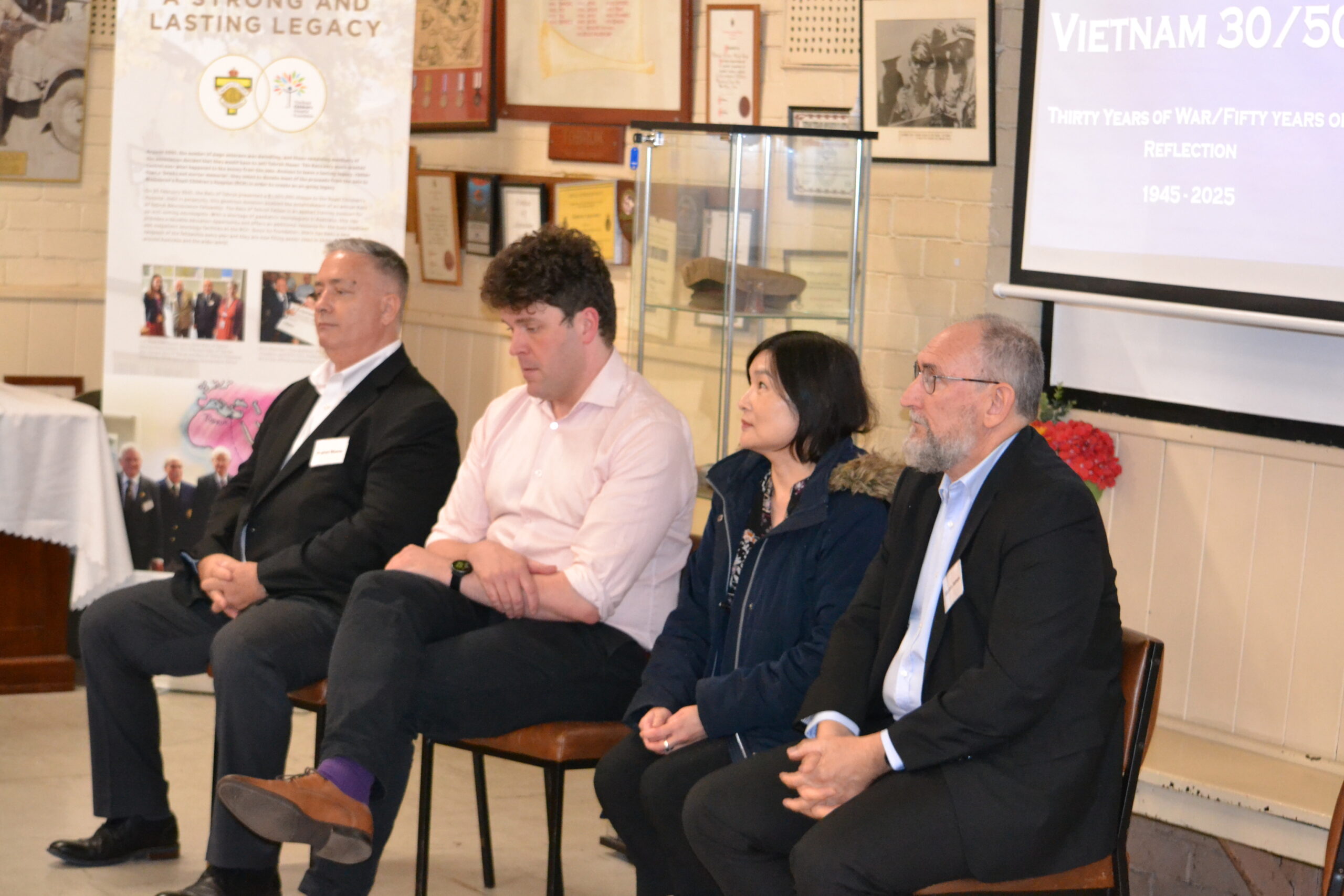
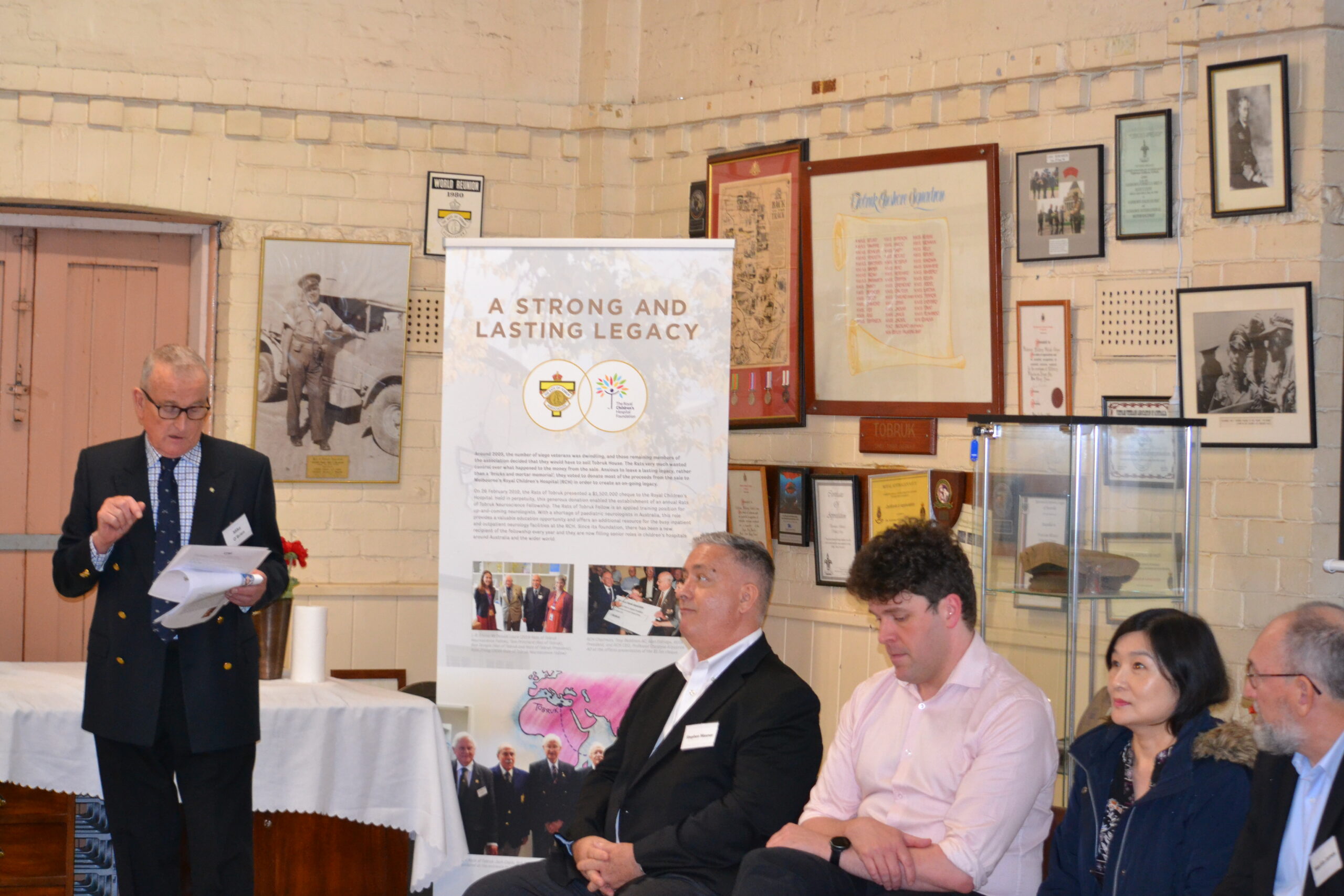
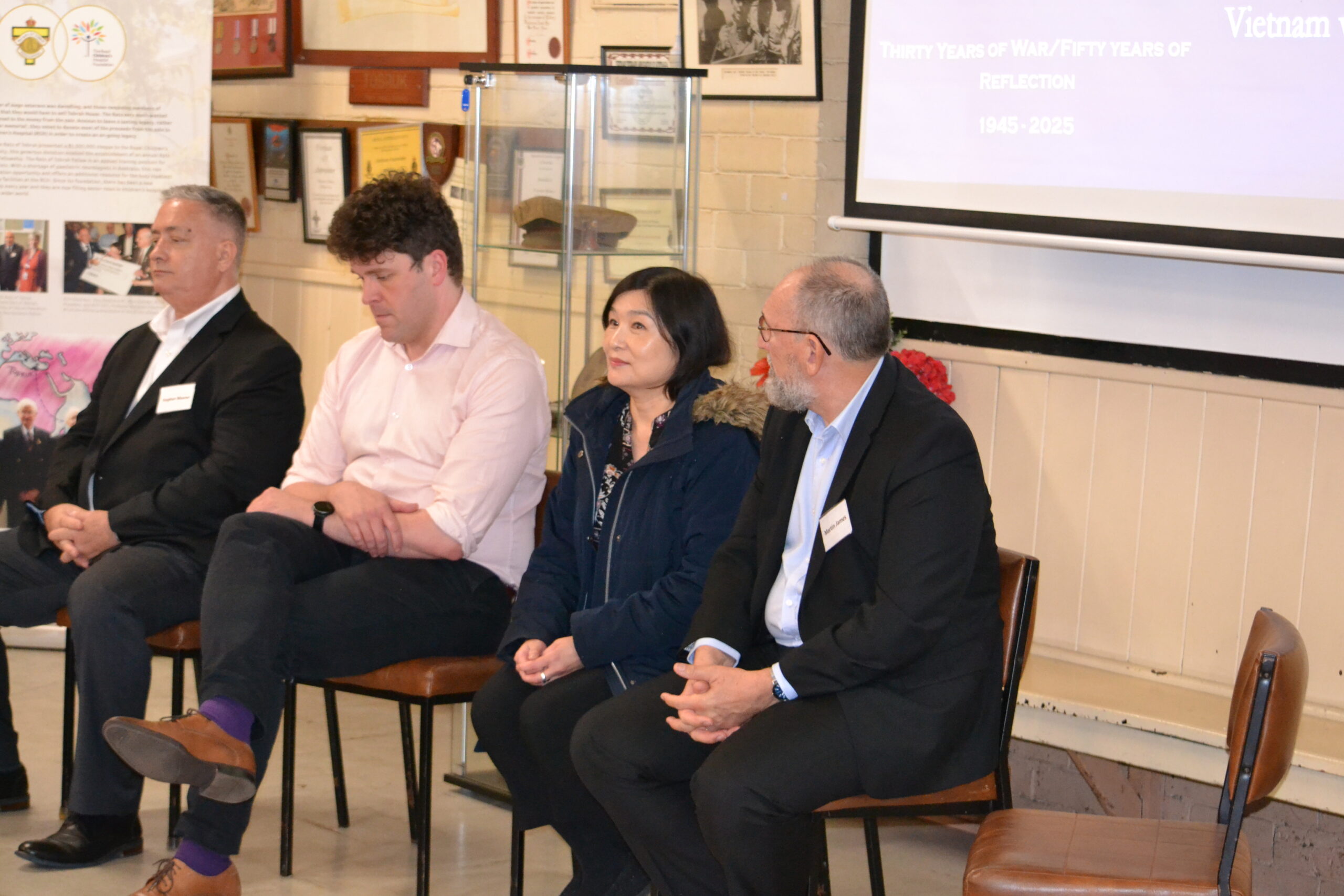
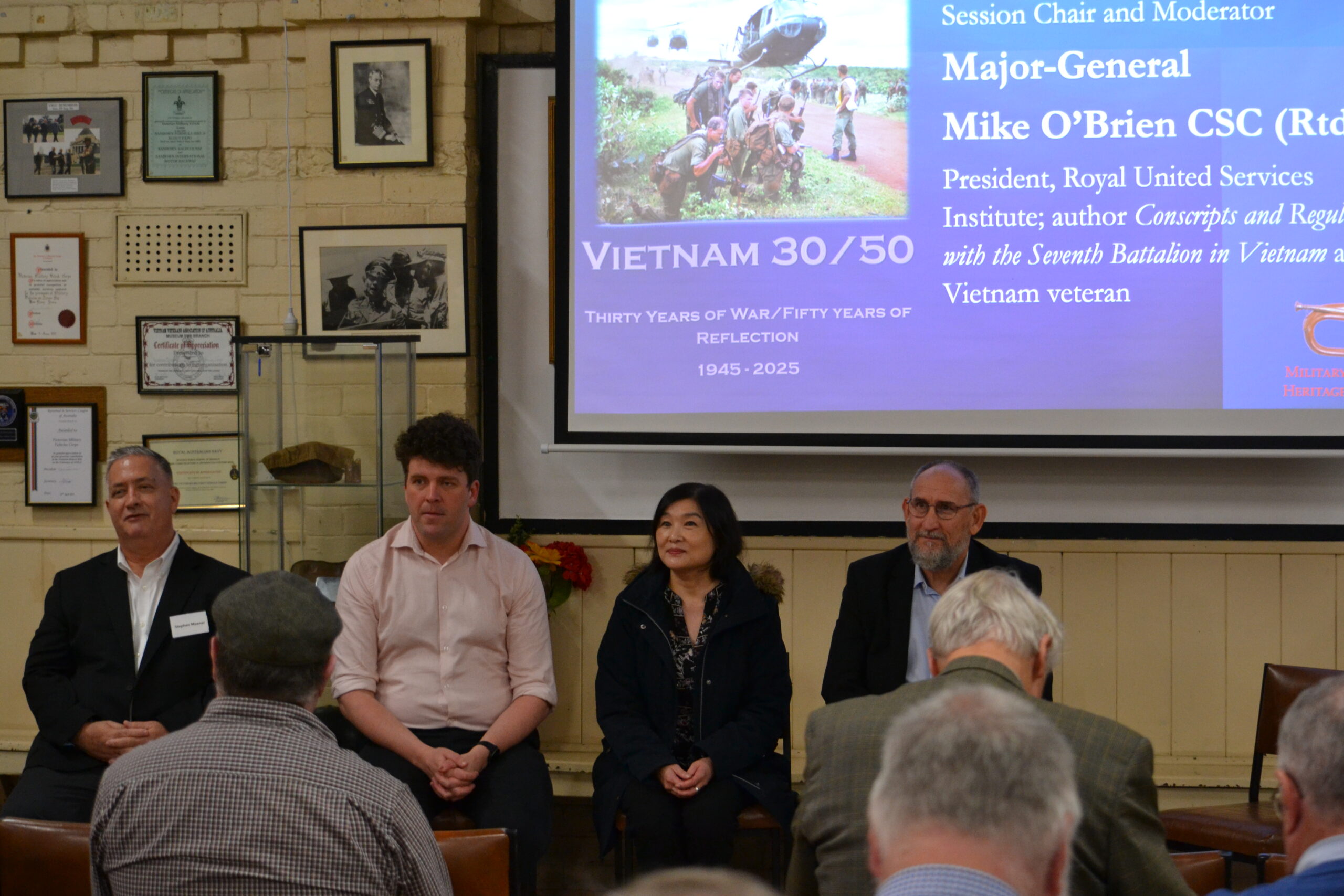
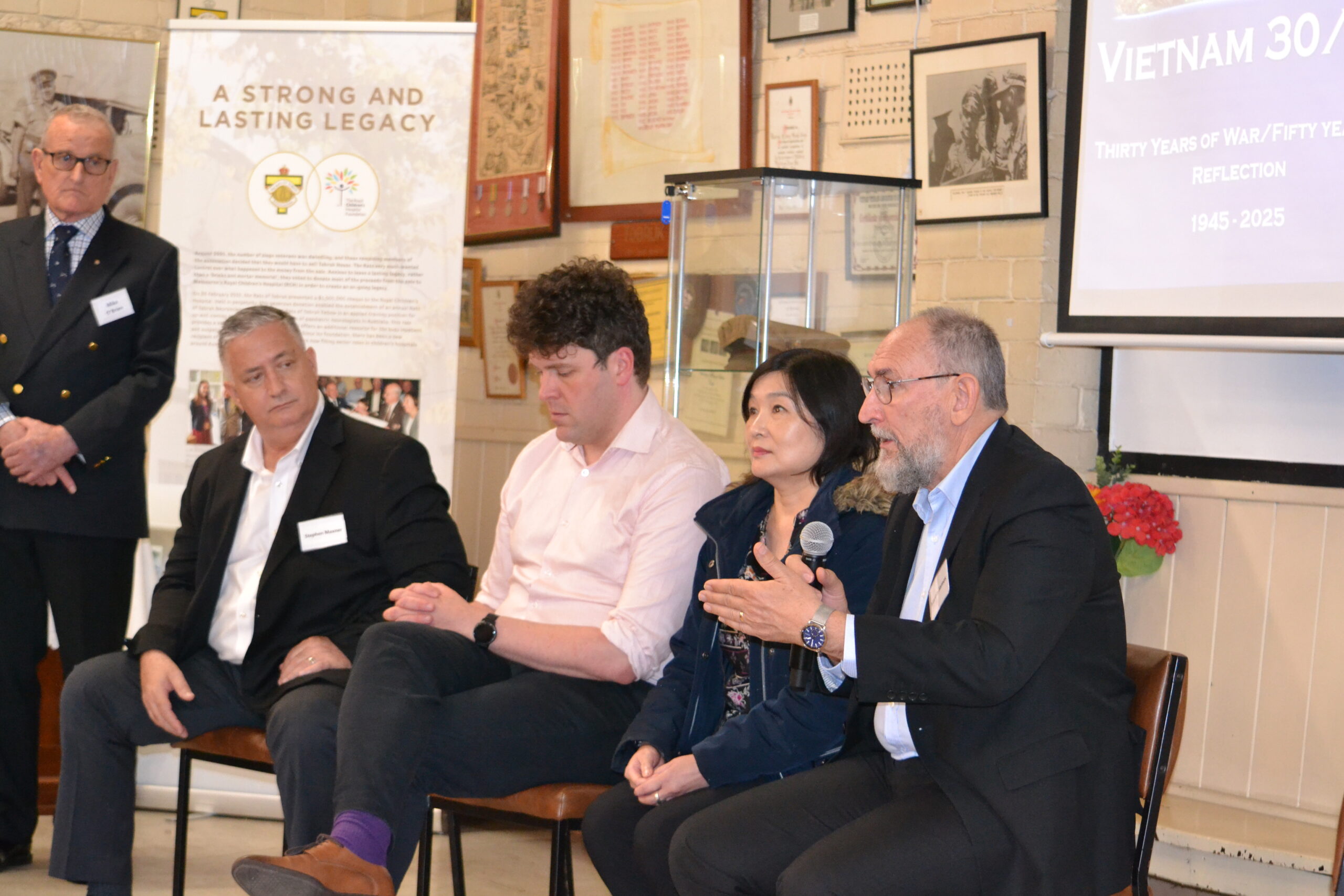
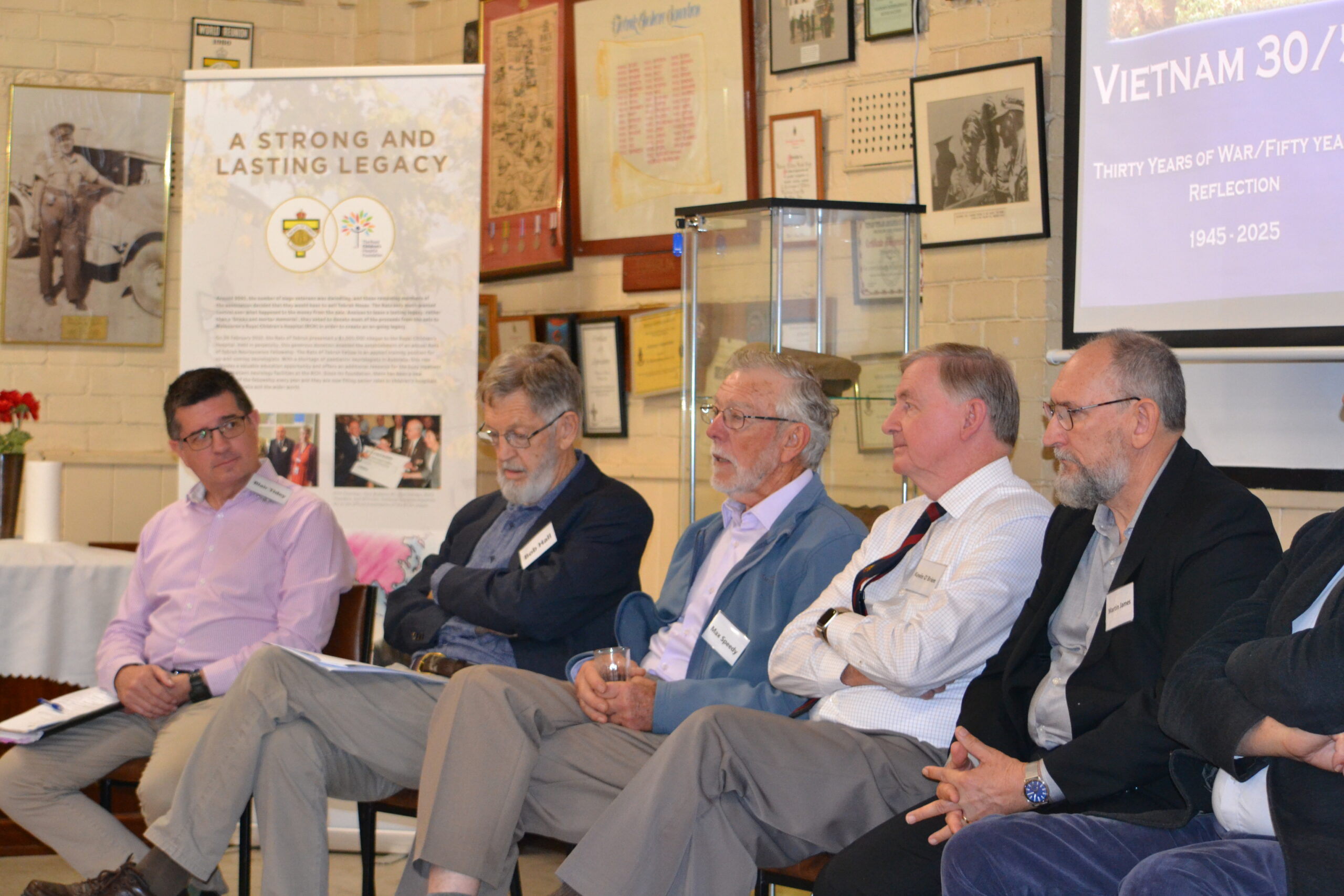
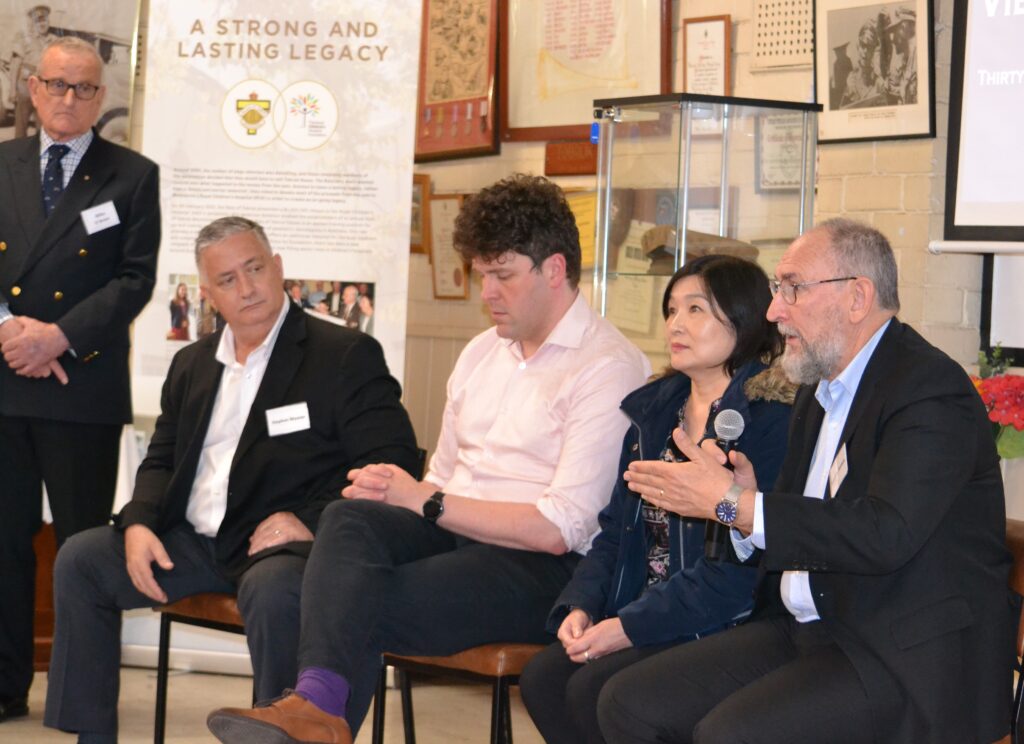 The panel, hosted by Mike O’brien and featuring Steve Maxner, Tom Richardson, Martin James and Nathalie Nguyen, discussed various aspects of the Vietnam War, including military composition, casualties, and the war’s winnability. They explored how different forces were recruited and armed, with the North Vietnamese Army being a conscript force and the Viet Cong having a mix of volunteers and impressed personnel. The panel debated whether the war was winnable from 1965 onwards, ultimately concluding that while theoretically possible, the likelihood of success was slim due to multiple factors including North Vietnamese determination and strategic advantages. The discussion also touched on the challenges faced by South Vietnamese forces, including inadequate weaponry and resource constraints, as well as the impact of the war on South Vietnamese society.
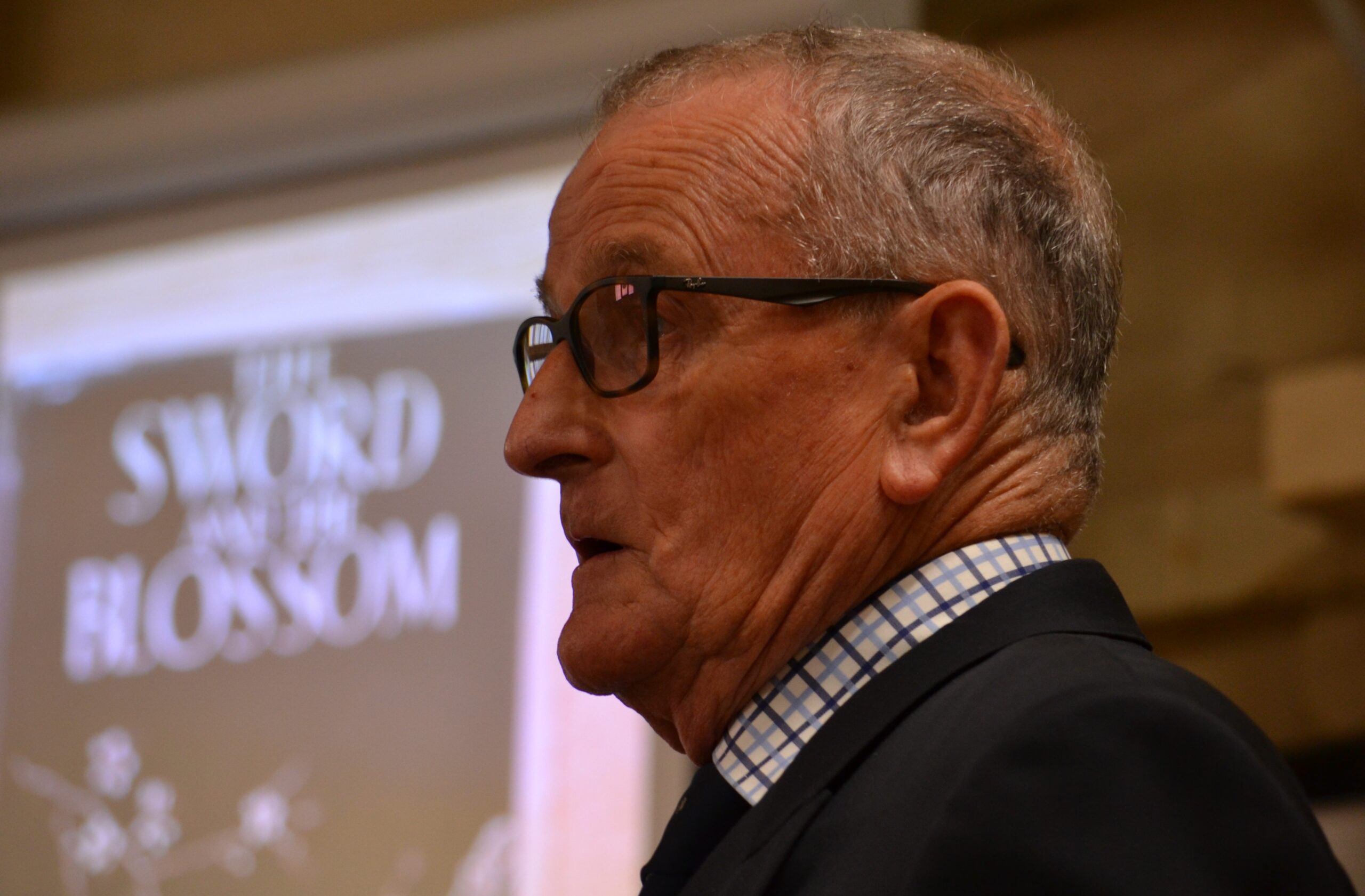
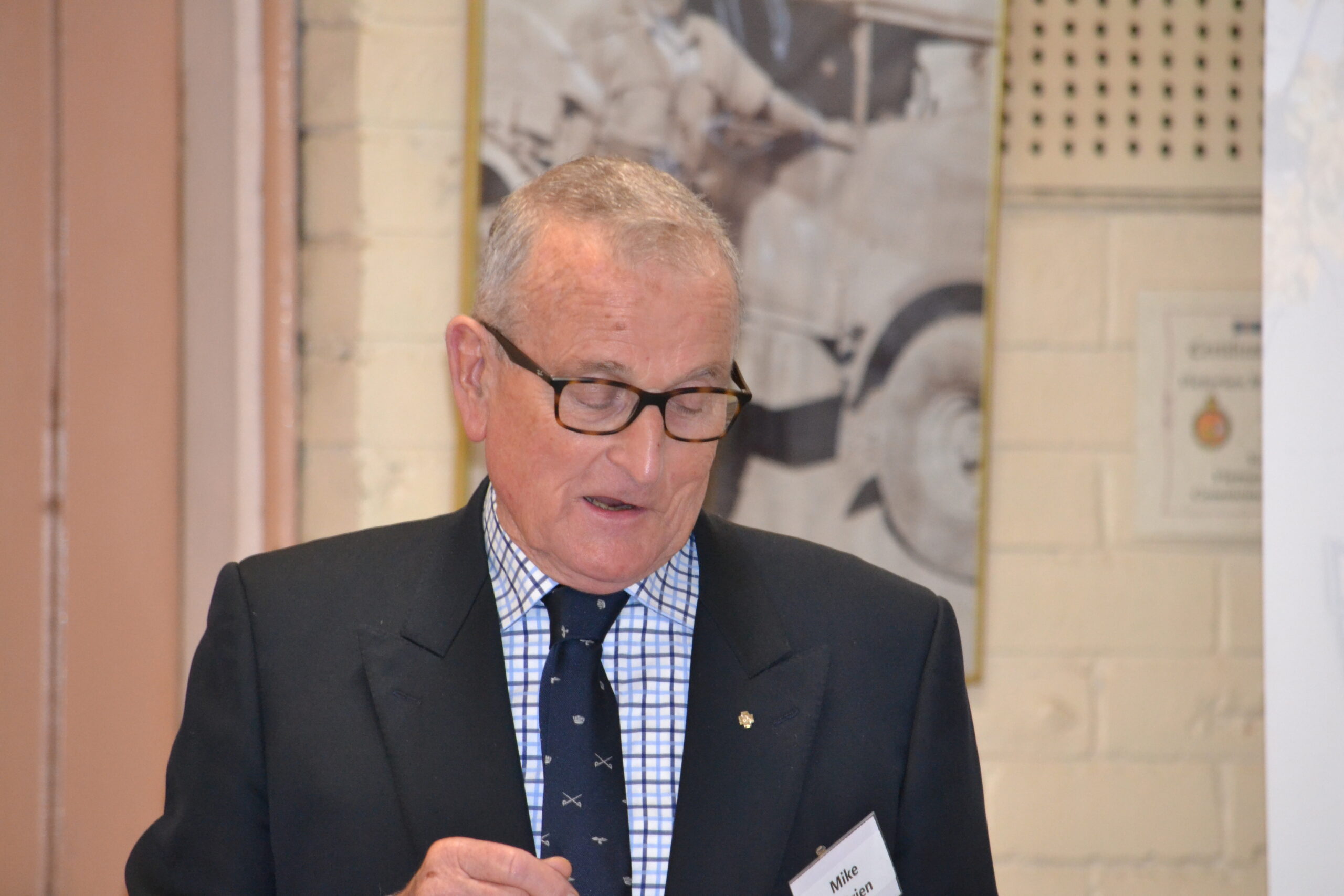
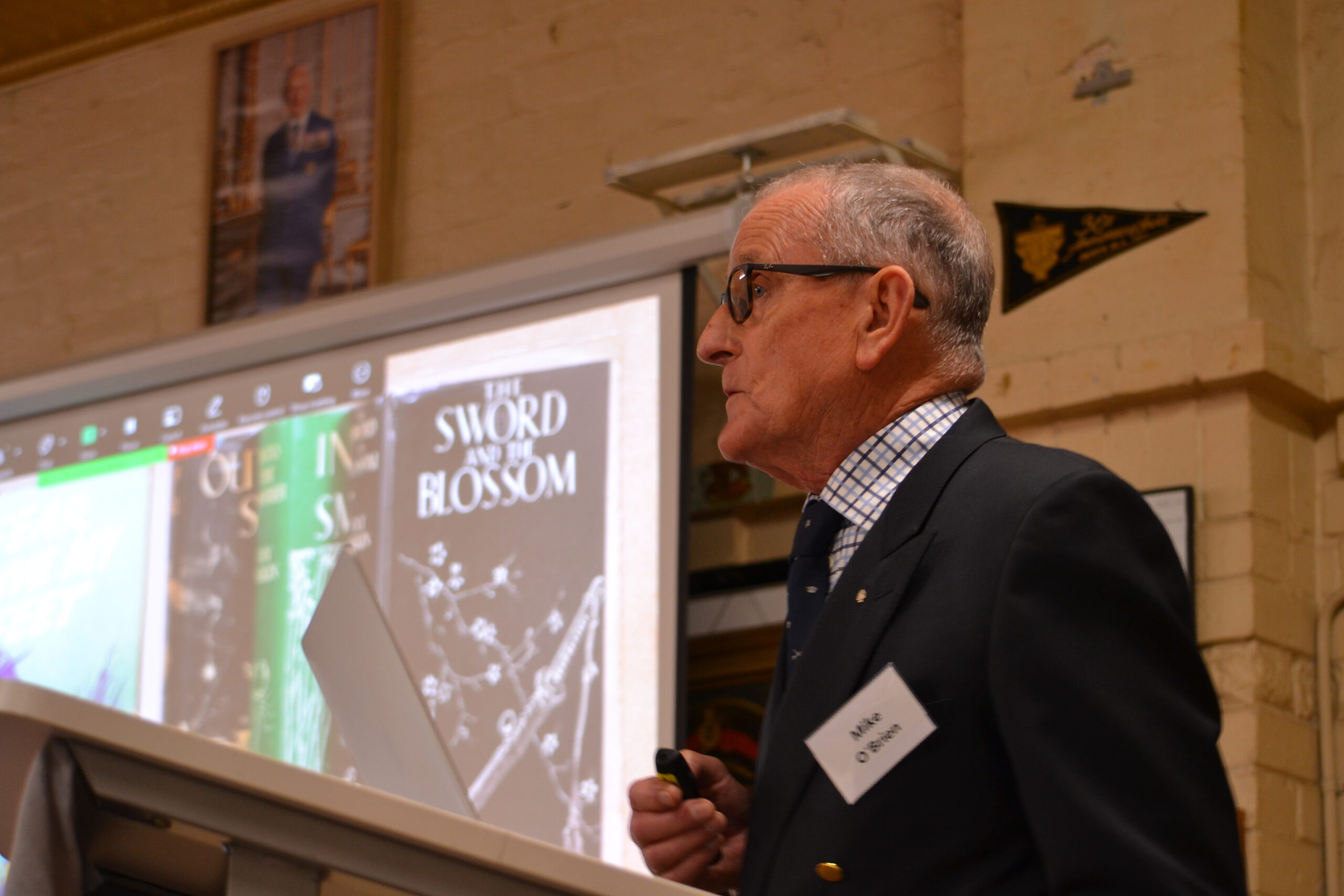
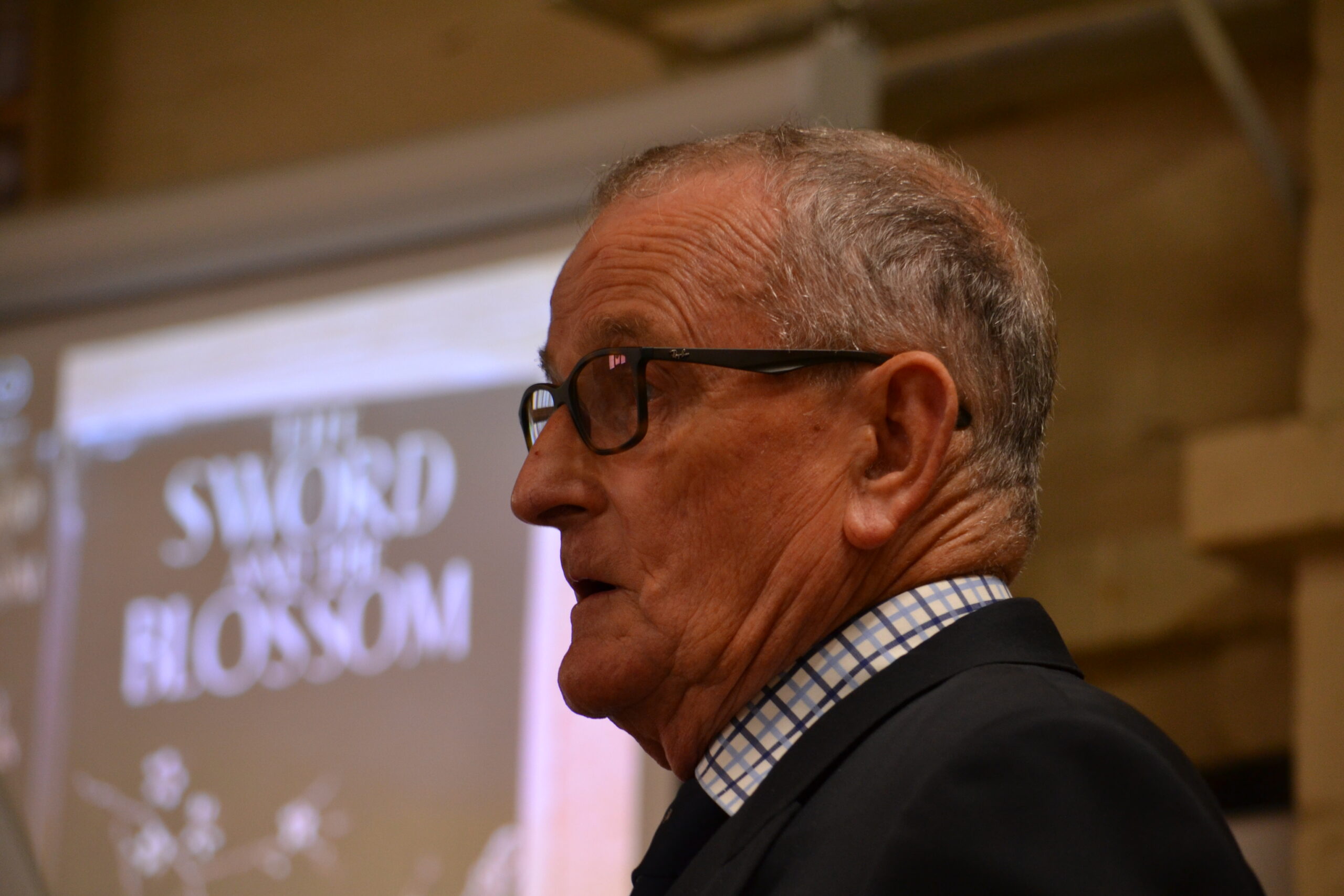
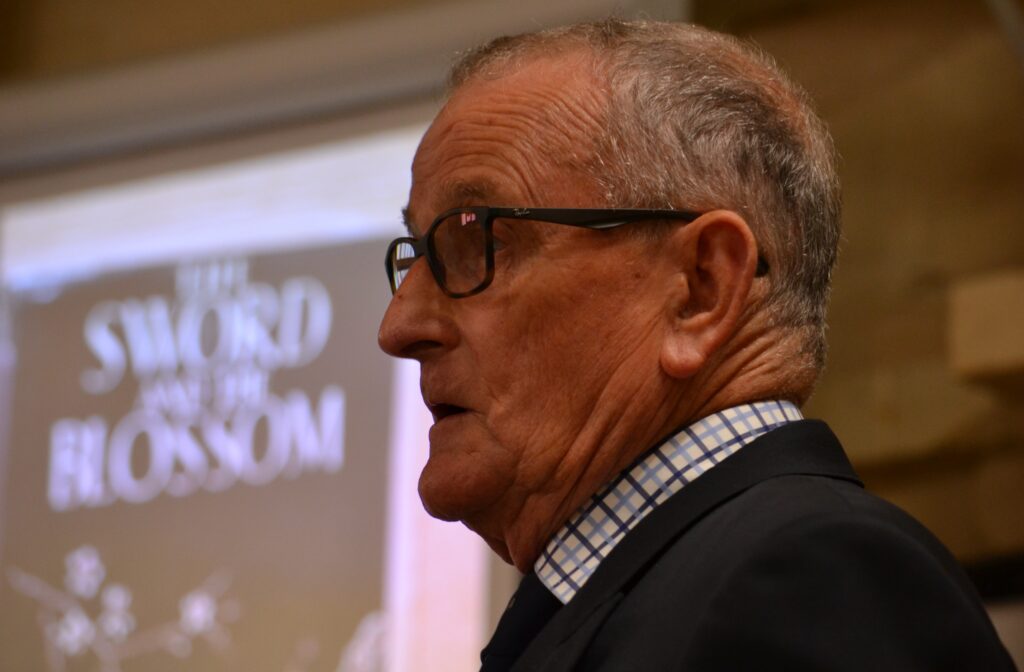 Following the Panel, Royal United Services Institute Victoria President, Major-General (Rtd) Mike O’Brien CSC presented a comprehensive overview of literature on the Australian experience in the Vietnam War, covering official histories, personal accounts, unit histories, and various perspectives including those of the Vietnamese side. He highlighted gaps in the literature, including insufficient coverage of the enemy’s perspective, cultural understanding of the conflict area, and adequate discussion of pre-deployment training. Mike emphasized the importance of proper book production standards, including ISBN numbers, deposit copies, and indexes, to ensure scholarly value and future accessibility.
Session 3 – New Perspectives: ARVN
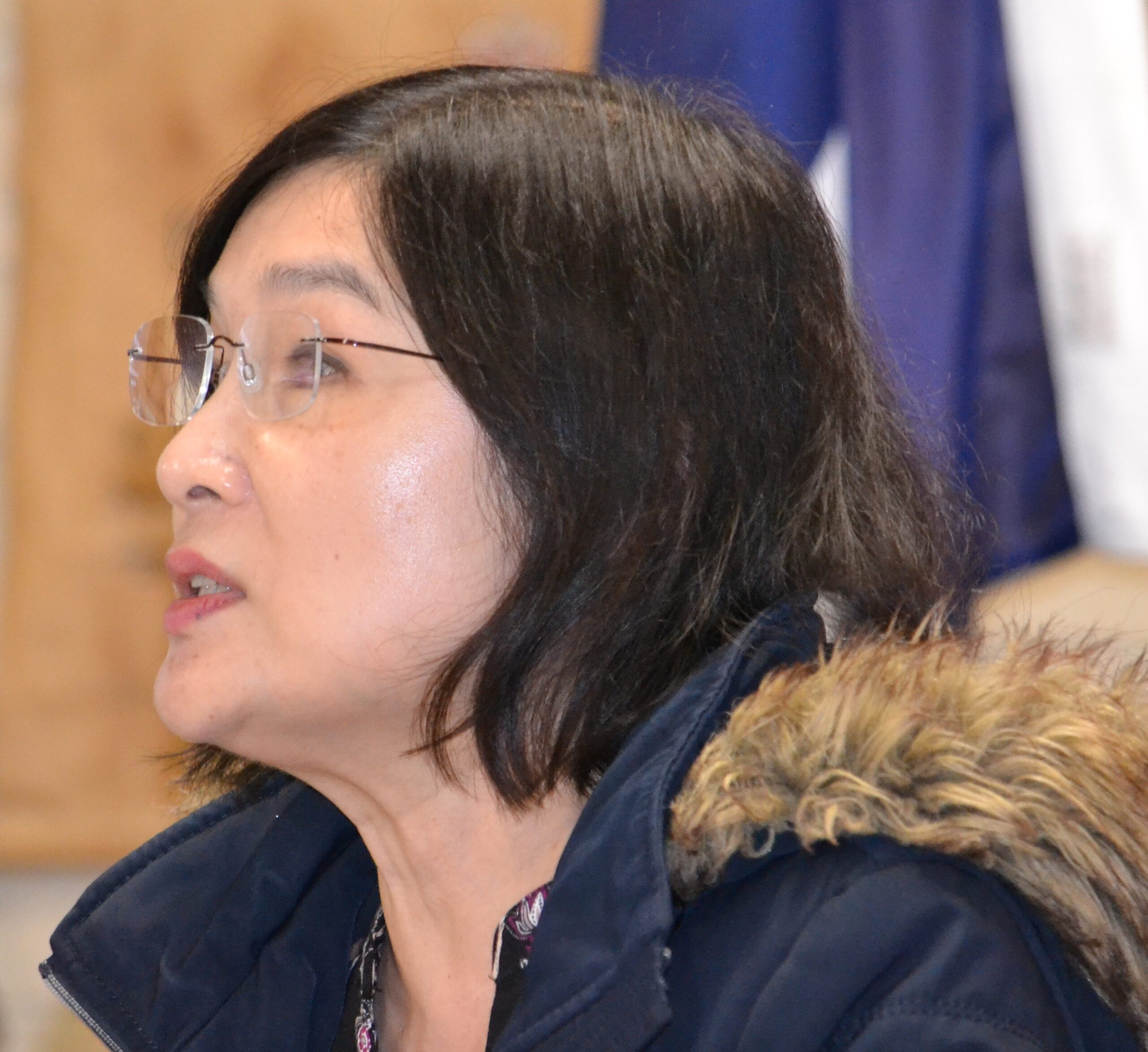
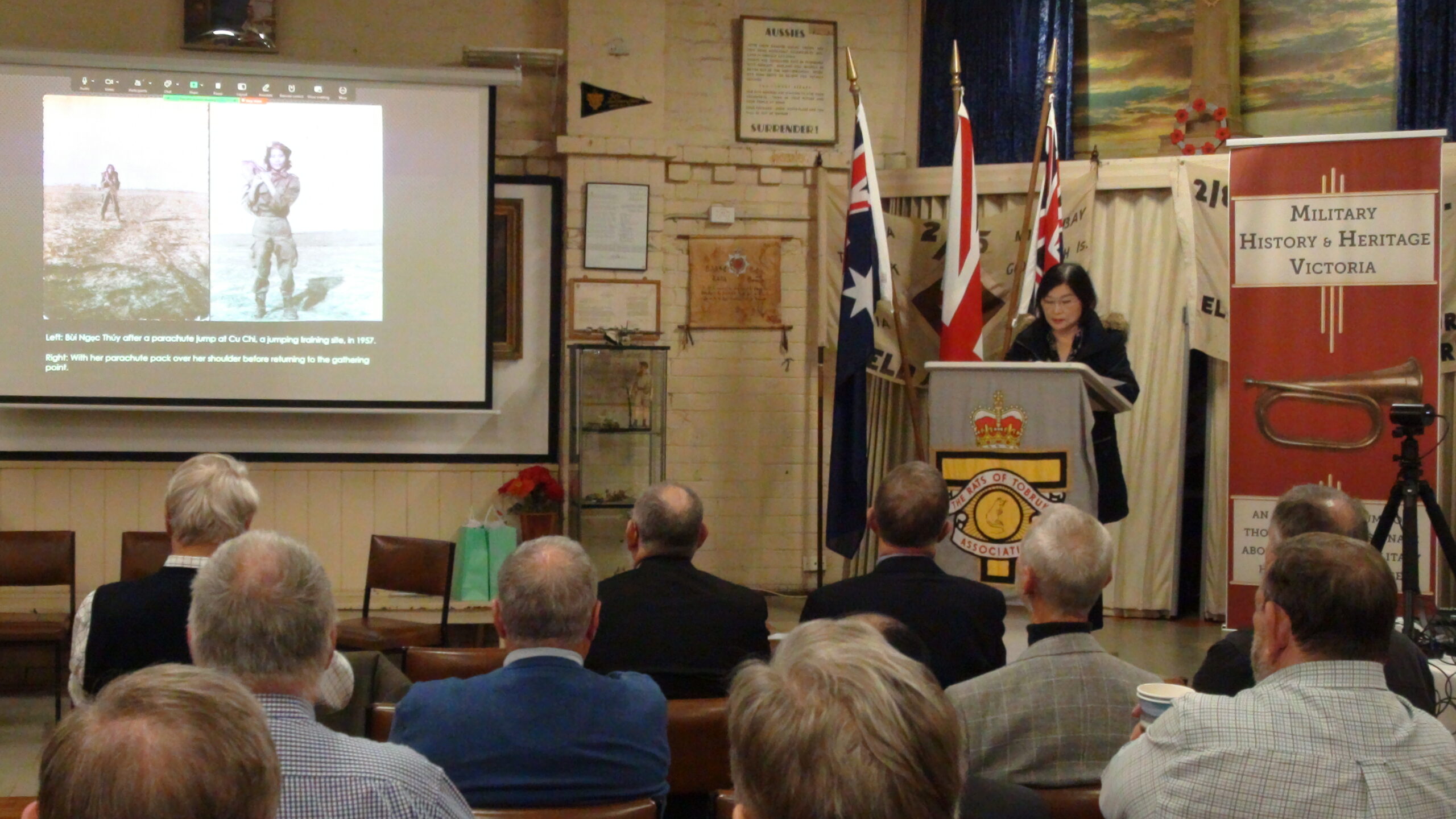
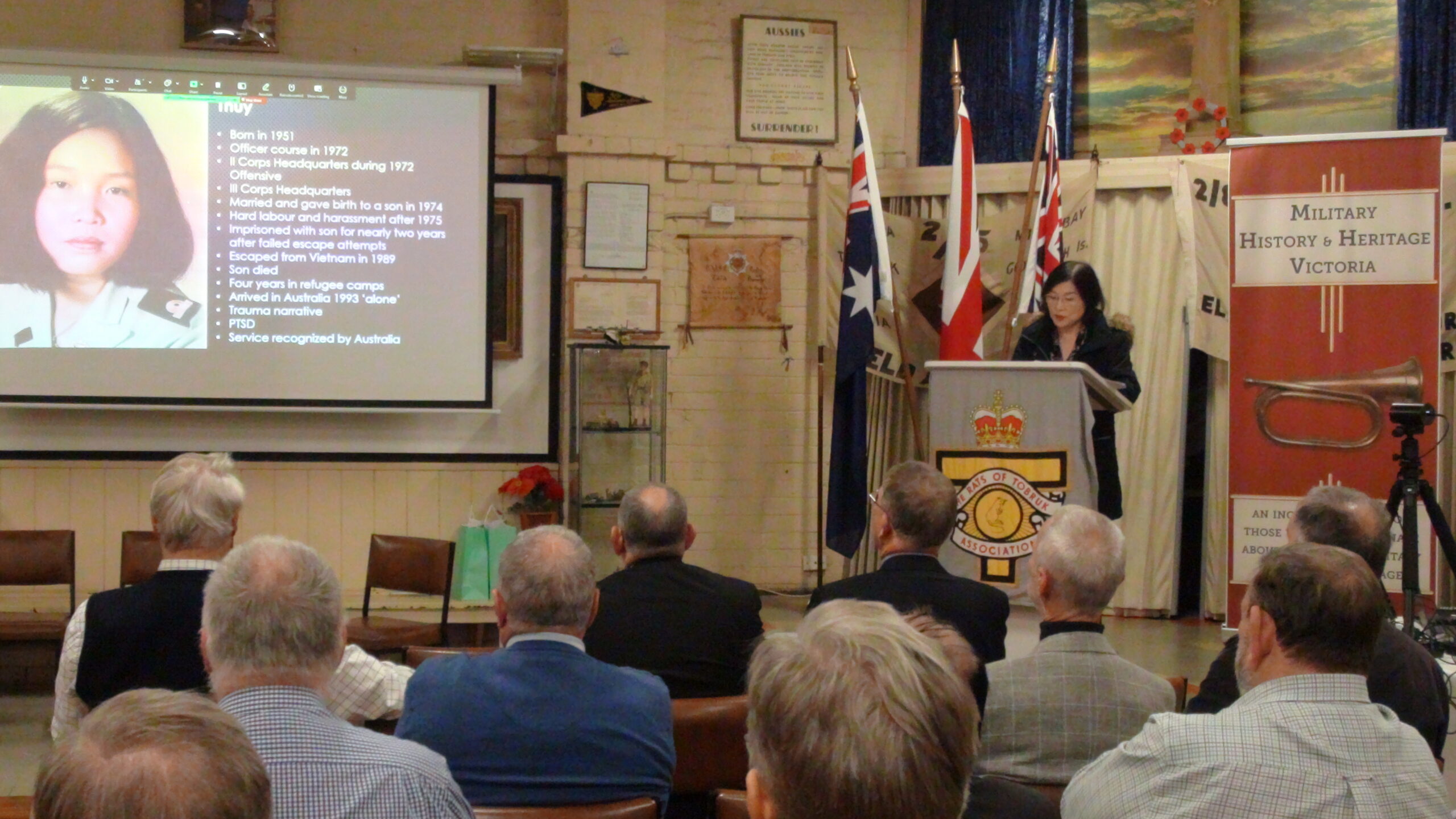
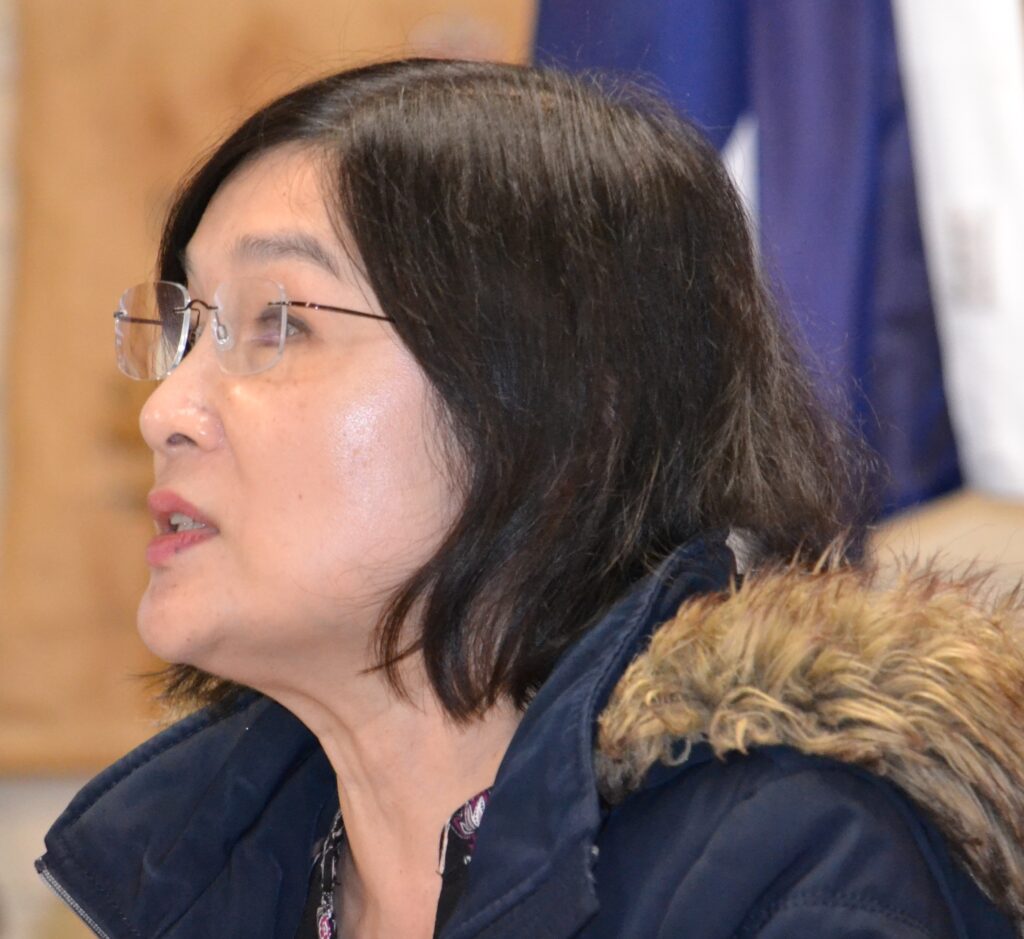 Session Chair, MHHV Committee Member, Dr Daryl Moran, introduced Monash University Professor of History, Nathalie Huynh Chau Nguyen, who presented on female soldiers in South Vietnam, highlighting the stories of two remarkable women who served in the military. She discussed how these women’s service reflected the tension between traditional and modern roles in Vietnamese society, as well as the importance of archives in preserving their histories. Nguyen also touched on the broader implications of her research for Vietnam War historiography, emphasizing the need to centre Vietnamese perspectives and experiences.
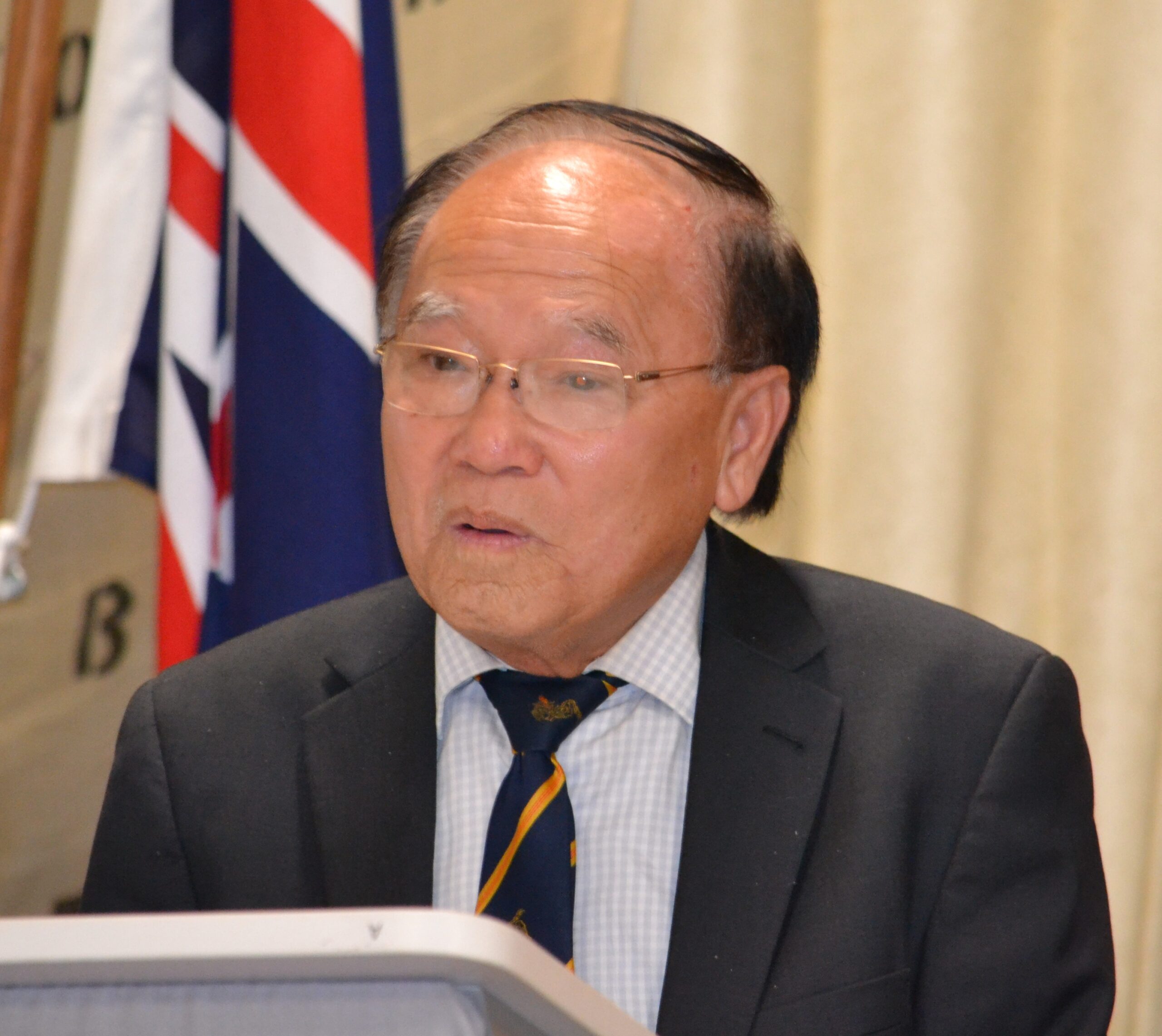
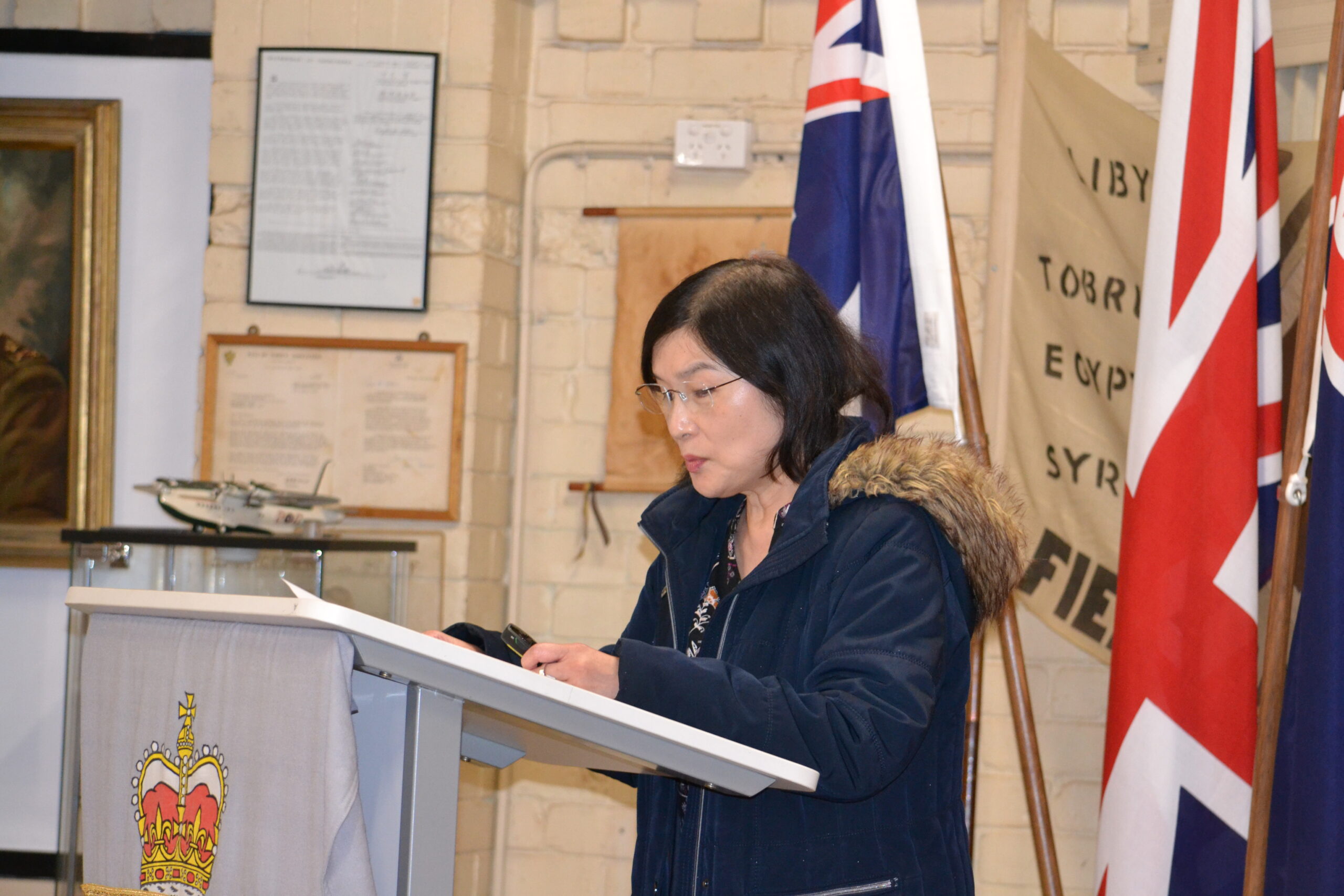
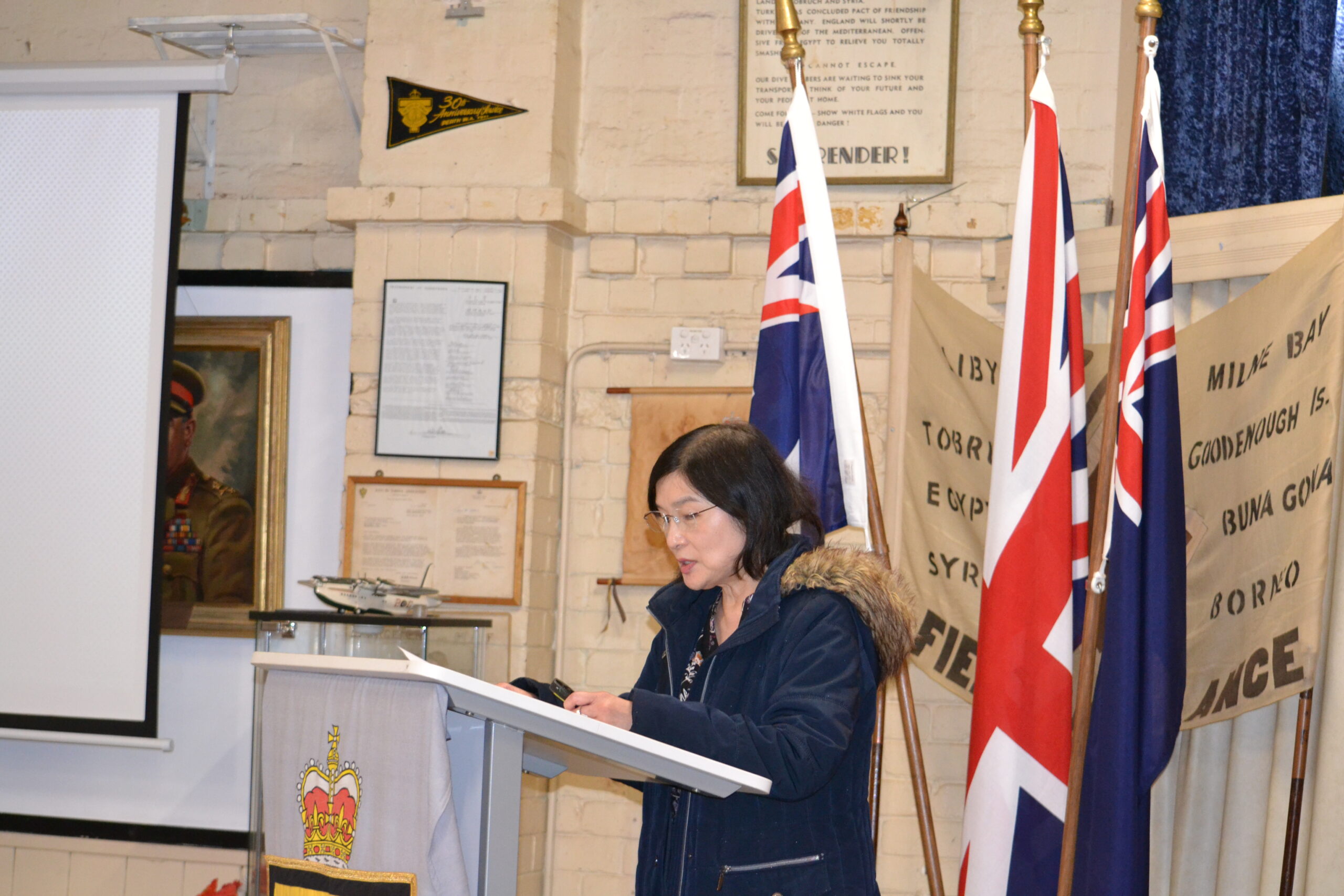
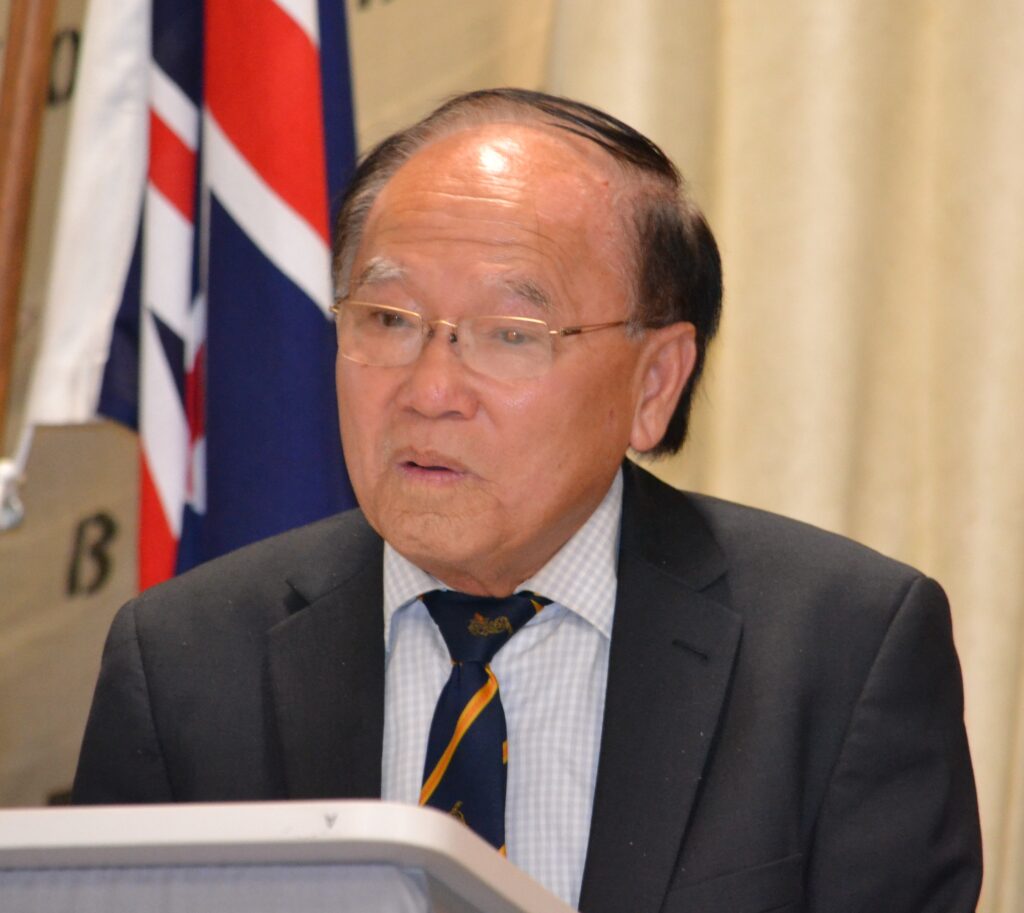 Then Dr Moran introduced a fascinating and emotional presentation from Vietnamese Veterans Association Past President and ARVN veteran, Dinh Nguyen. Dinh, a former platoon leader in the Army of the Republic of Vietnam, shared his personal experiences of being imprisoned in re-education camps for seven and a half years after the fall of Saigon in 1975. He described the harsh conditions in the camps, the psychological and physical toll on detainees, and the lasting impact on veterans and their families. Dinh emphasized the importance of healing and reconciliation, drawing parallels to historical examples in the United States, and expressed gratitude for the opportunity to share his story in Australia.
Session 4 – One Crowded Hour
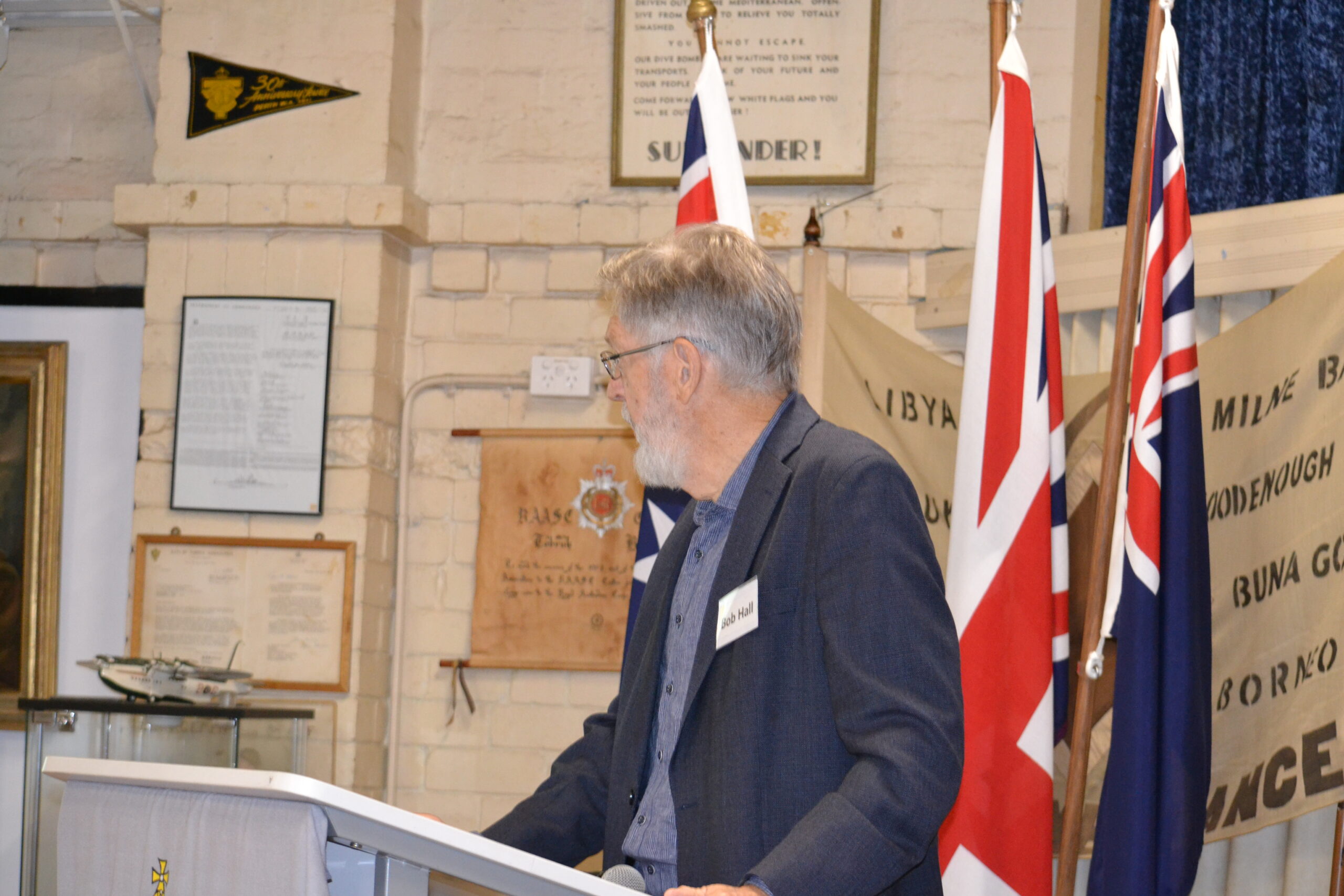
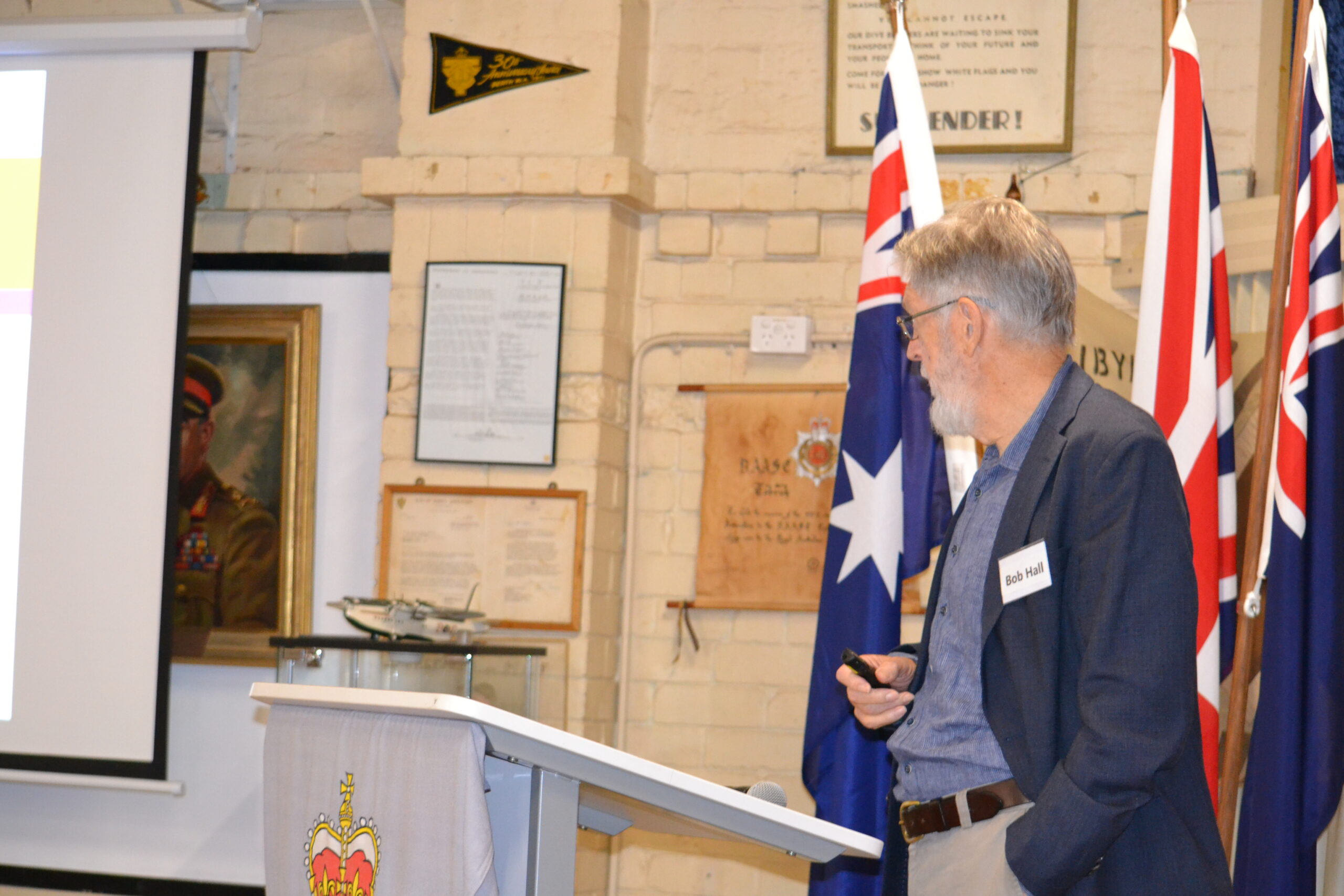
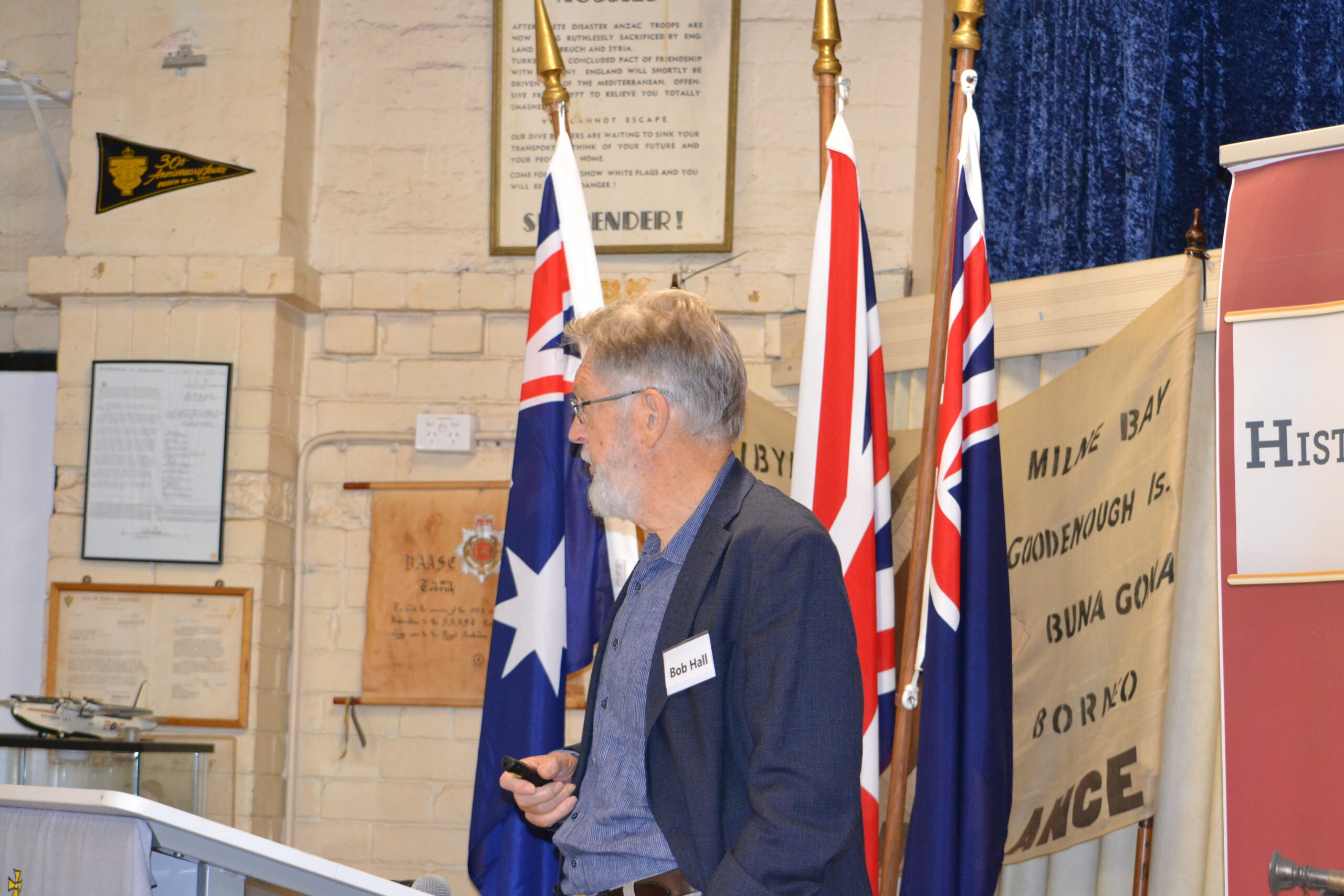
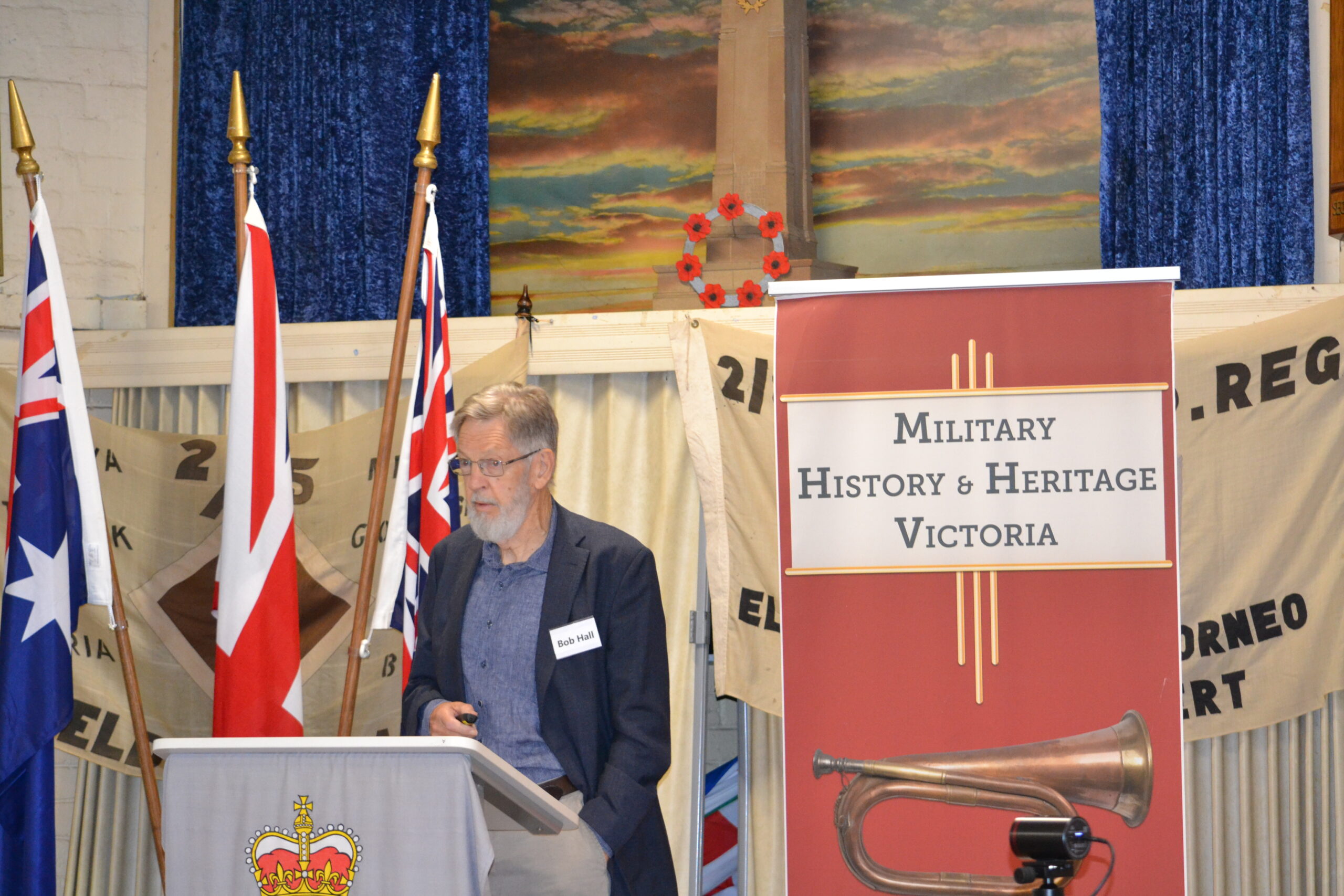
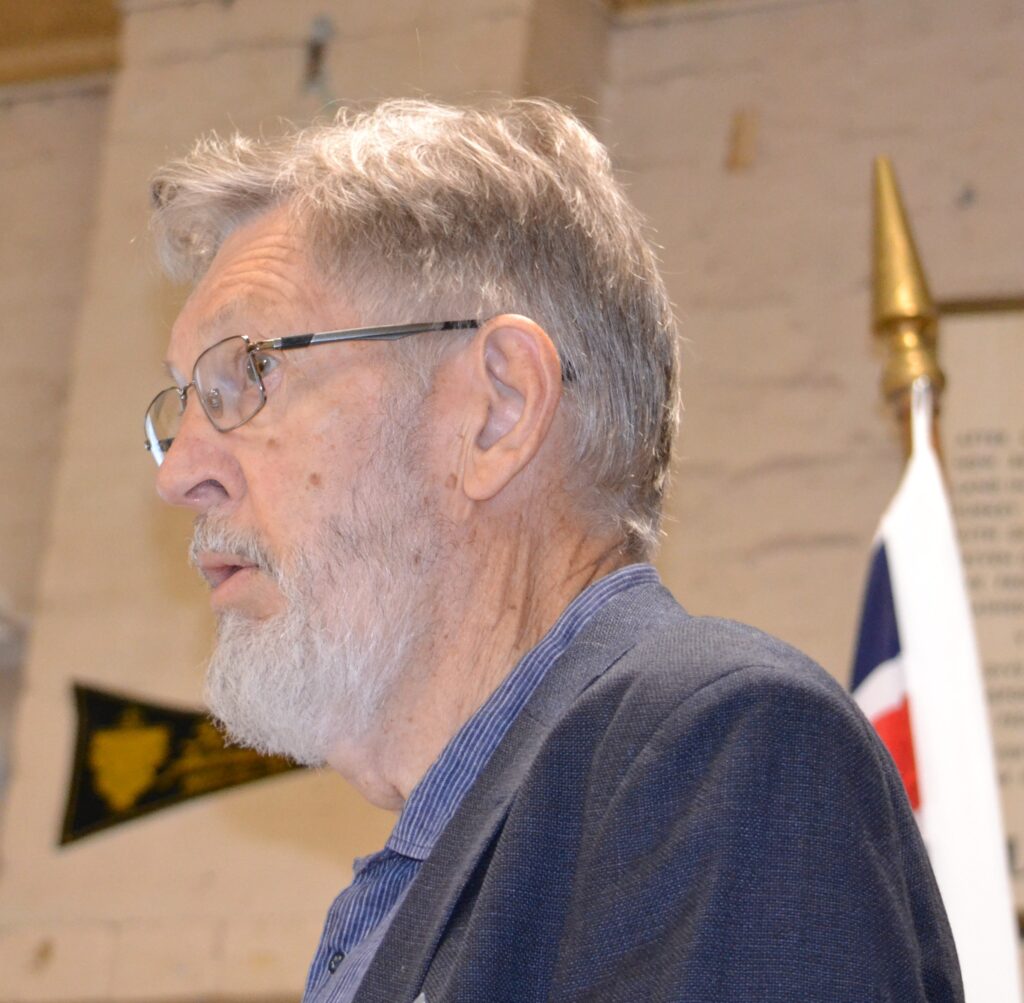 On the second day of the conference Michael Buckridge introduced ADFA at University of NSW Canberra Adjunct Lecturer, Dr Bob Hall who presented a comprehensive statistical analysis of Australian combat incidents in Phuoc Tuy Province, examining 4,500 combat incidents including 3,898 contacts between Australian forces and enemy units. The analysis revealed that smaller-scale contacts accounted for the majority of casualties and damage to both sides, while major battles were strategically planned by the Viet Cong over months but resulted in fewer overall casualties.
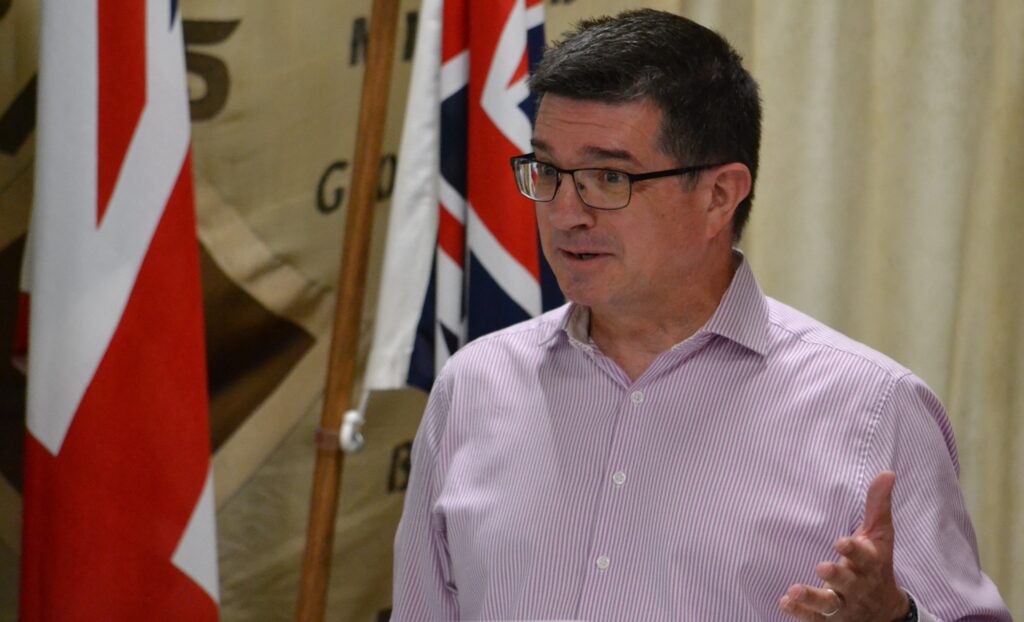 ANU PhD candidate and ADF Warrant Officer Blair Tidey then presented his PhD research on clandestine Viet Cong infrastructure and intelligence operations in Phuoc Tuy Province, examining the organizational structure of the Viet Cong at provincial and district levels, and highlighting the challenges of accessing Vietnamese archival materials for foreign researchers.
Session 5 – One Crowded Hour II
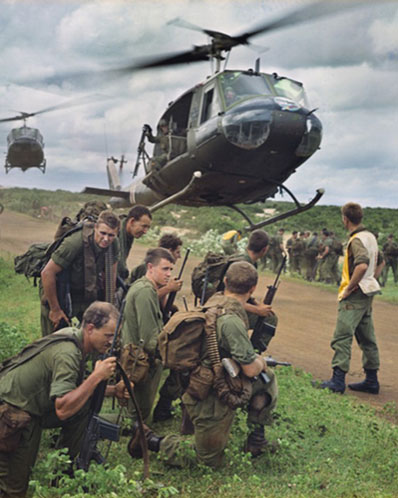
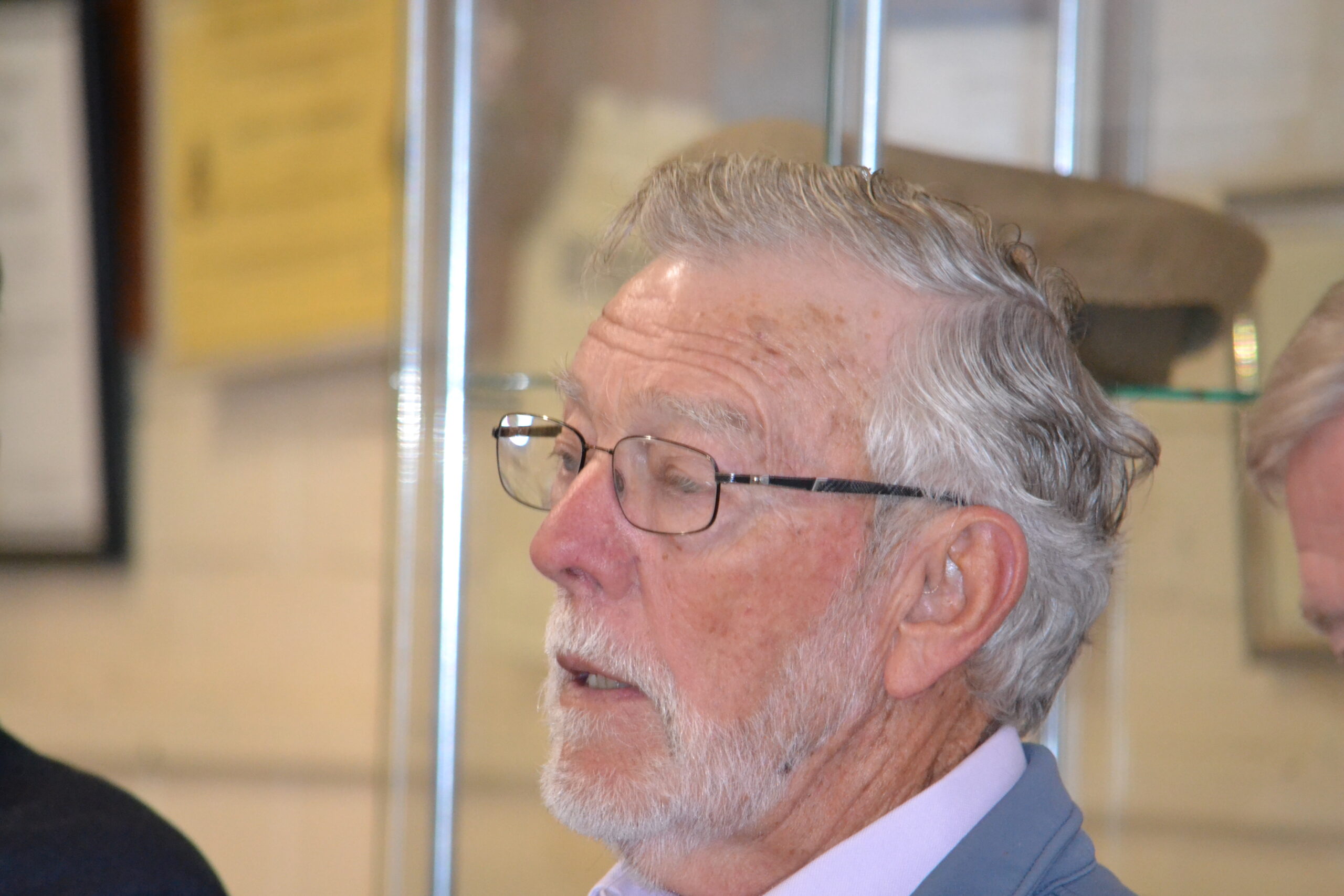
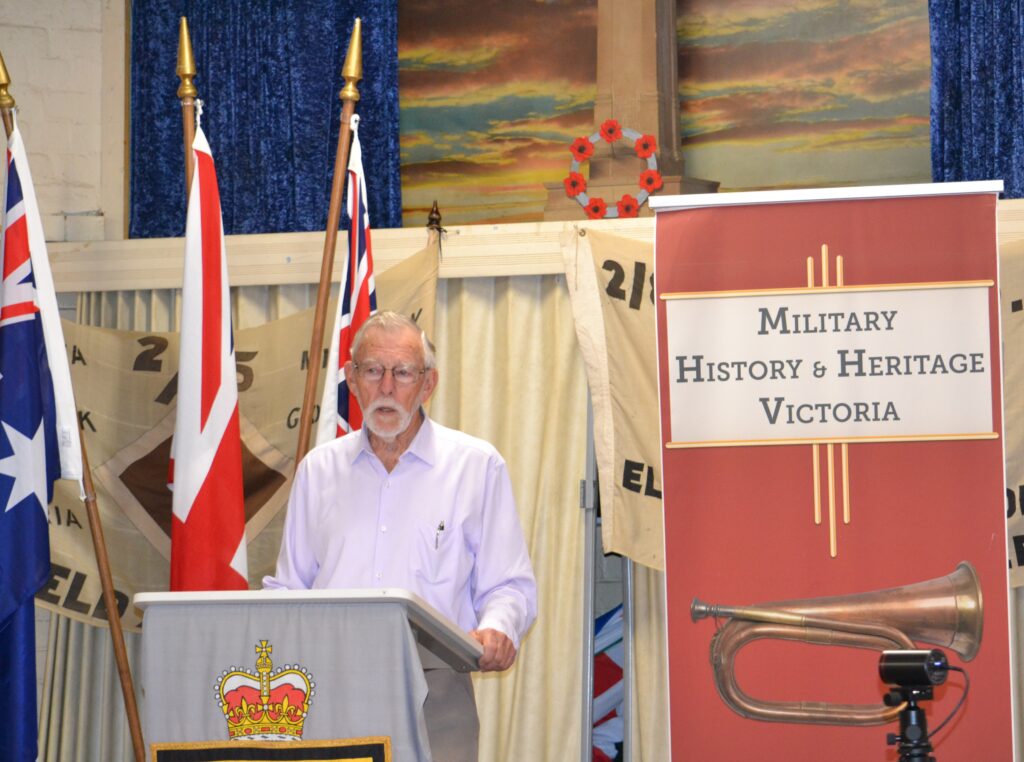 After morning tea Murray Duckworth introduced Commander Max Speedy DSC RAN (Rtd) who presented a comprehensive history of helicopter involvement in the Vietnam War, detailing how helicopters evolved from novel aircraft to essential combat tools. He explained how helicopter numbers grew from 35-40 aircraft in 1961-1964 to over 11,000 by 1969, with the 135th Assault Helicopter Company being formed in 1967 and becoming operational in November of that year. Max also described the tactical operations involving Australian and American forces, including the challenges of operating in Vietnam’s terrain and the role of support aircraft like gunships and smoke ships.
Max discussed his experiences as a helicopter pilot in Vietnam, describing daily operations, combat missions, and the challenges faced by his crew. He detailed specific incidents, including a rescue mission where crew members faced enemy fire and a dangerous situation involving gunships.
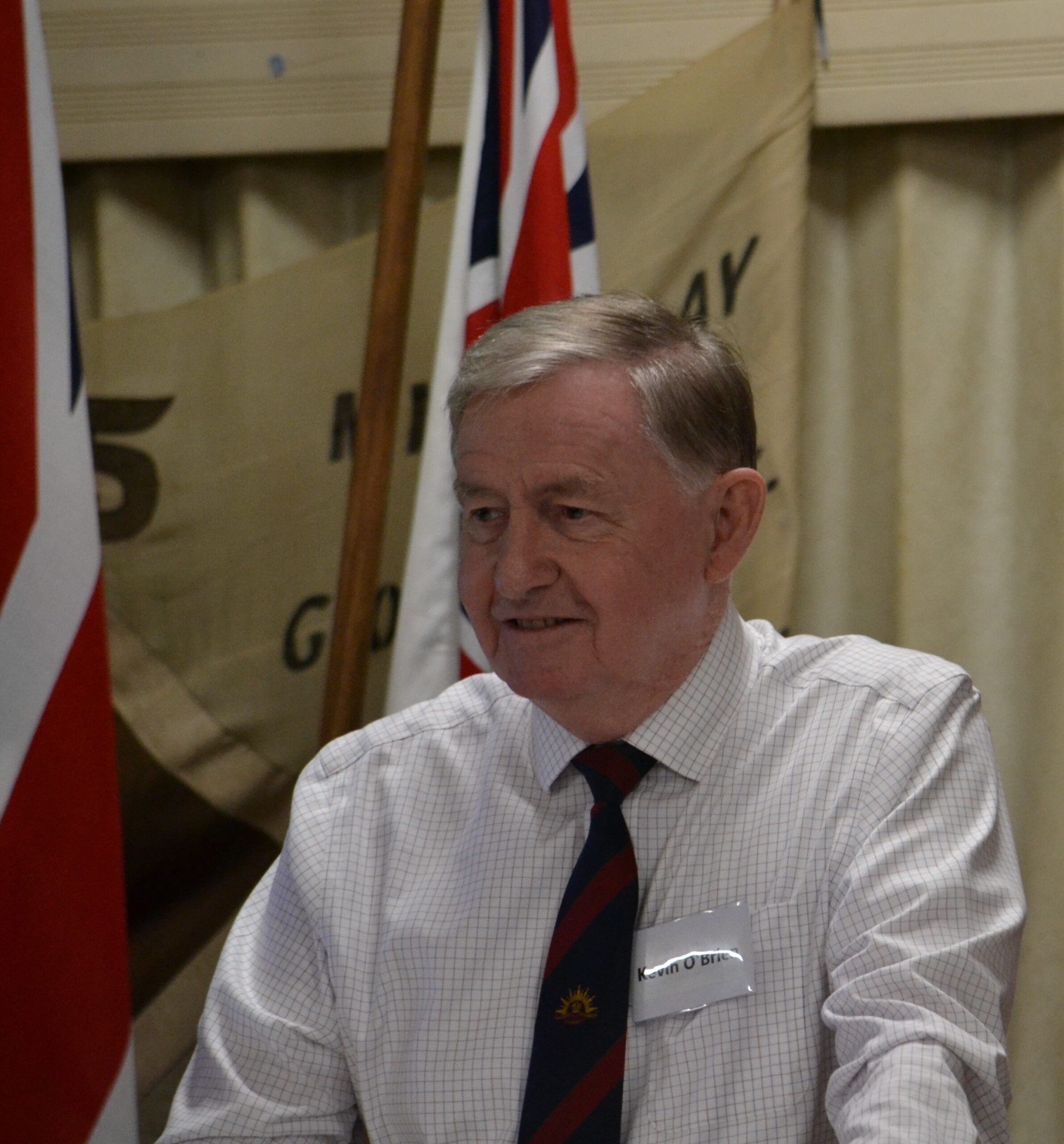
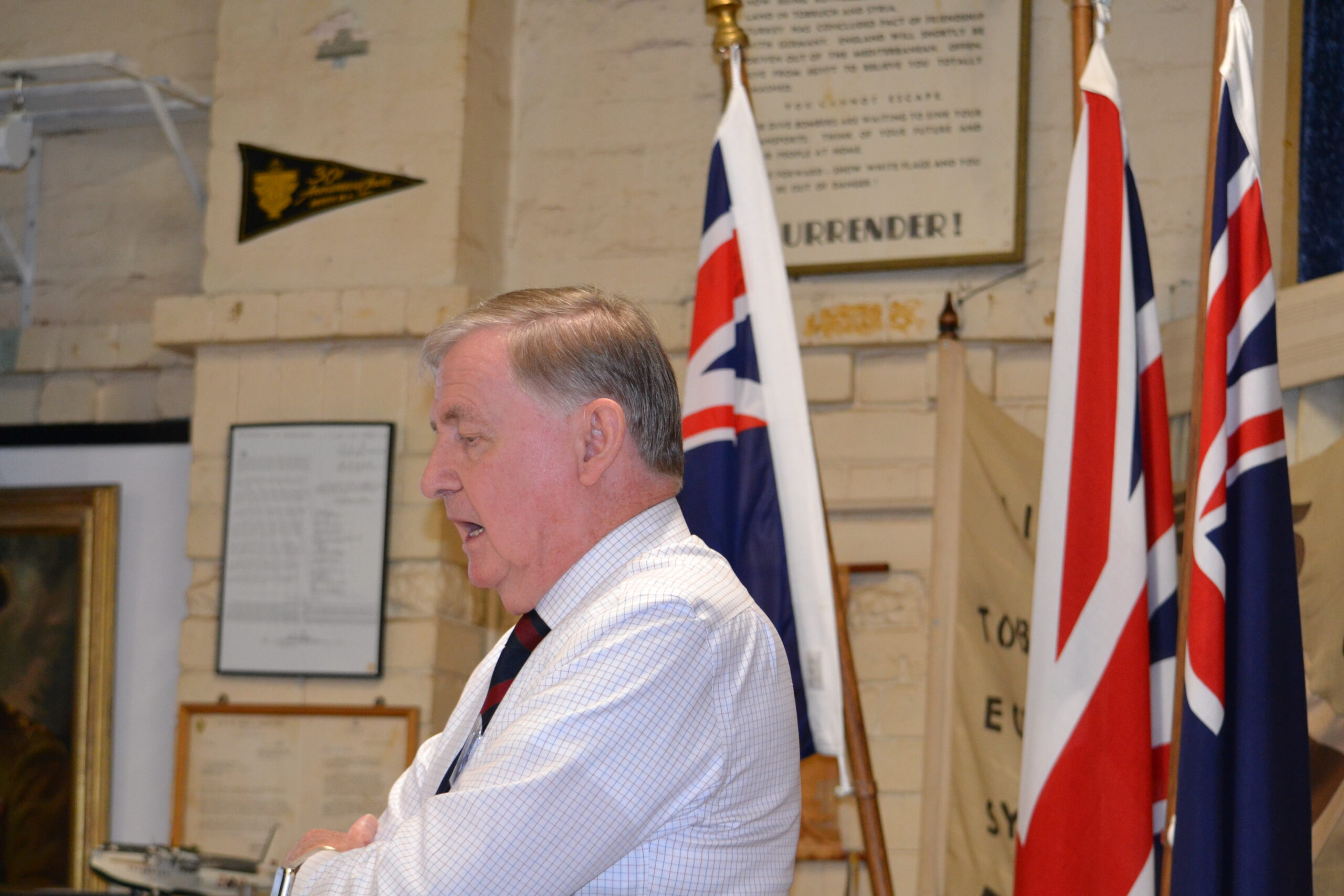
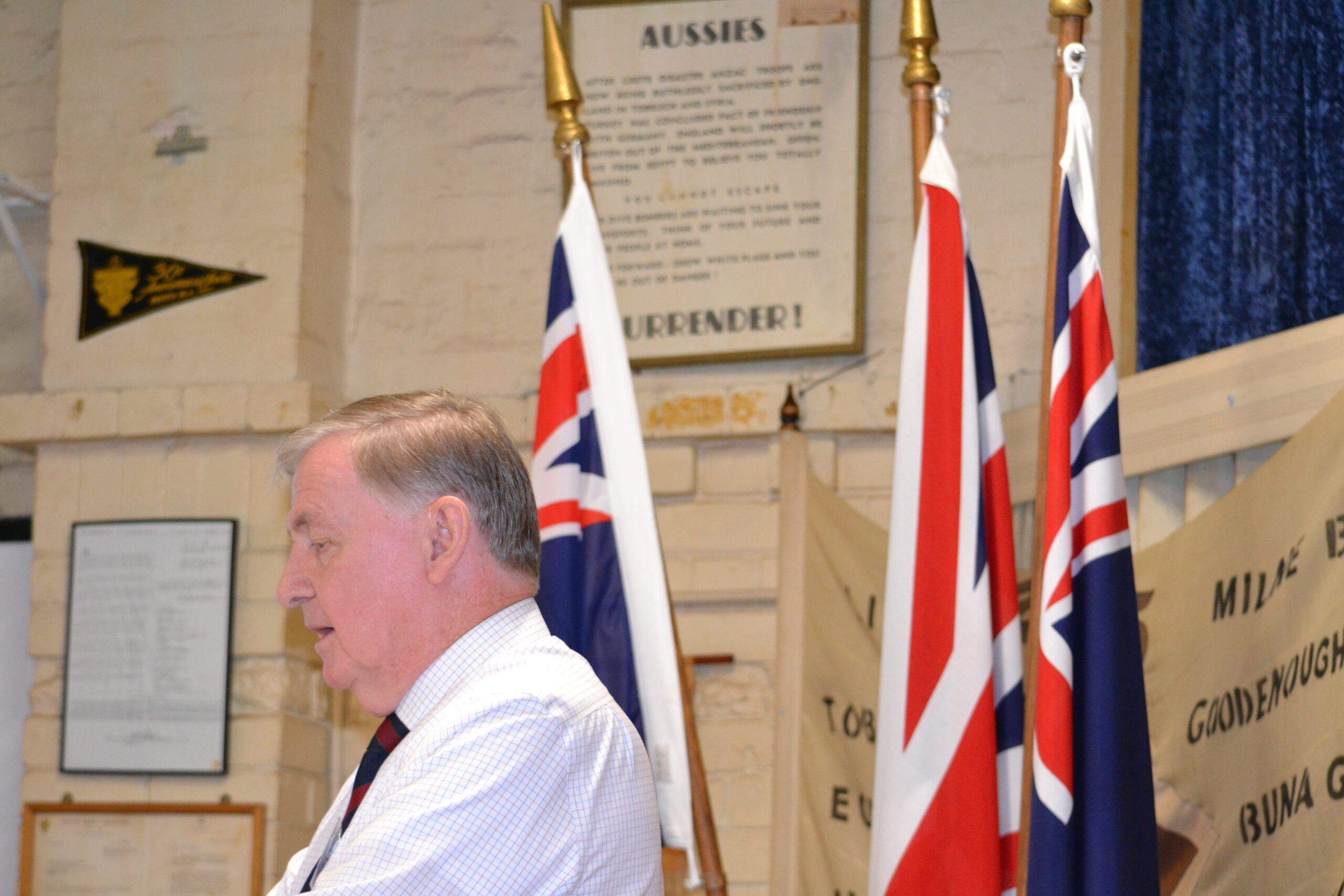
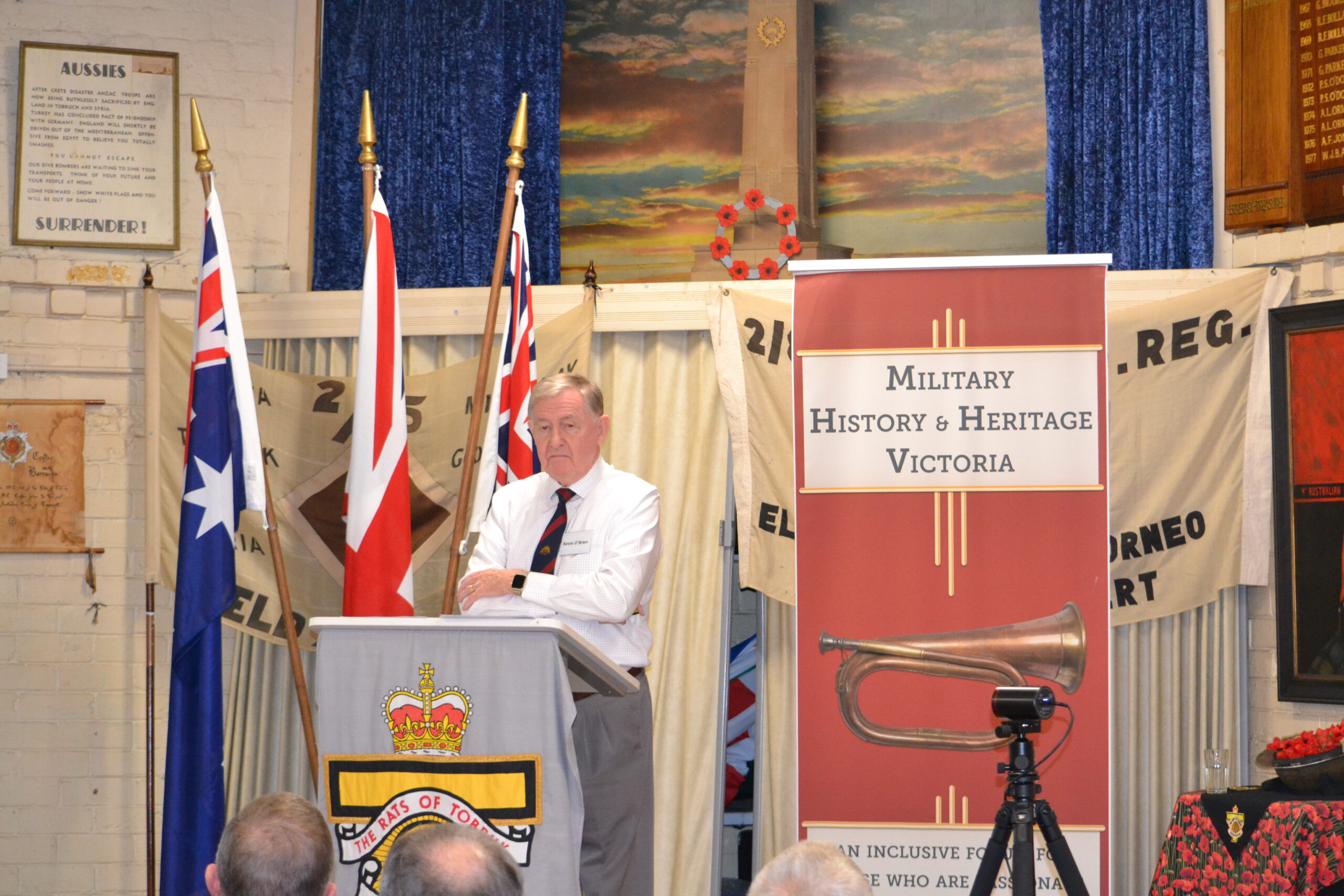
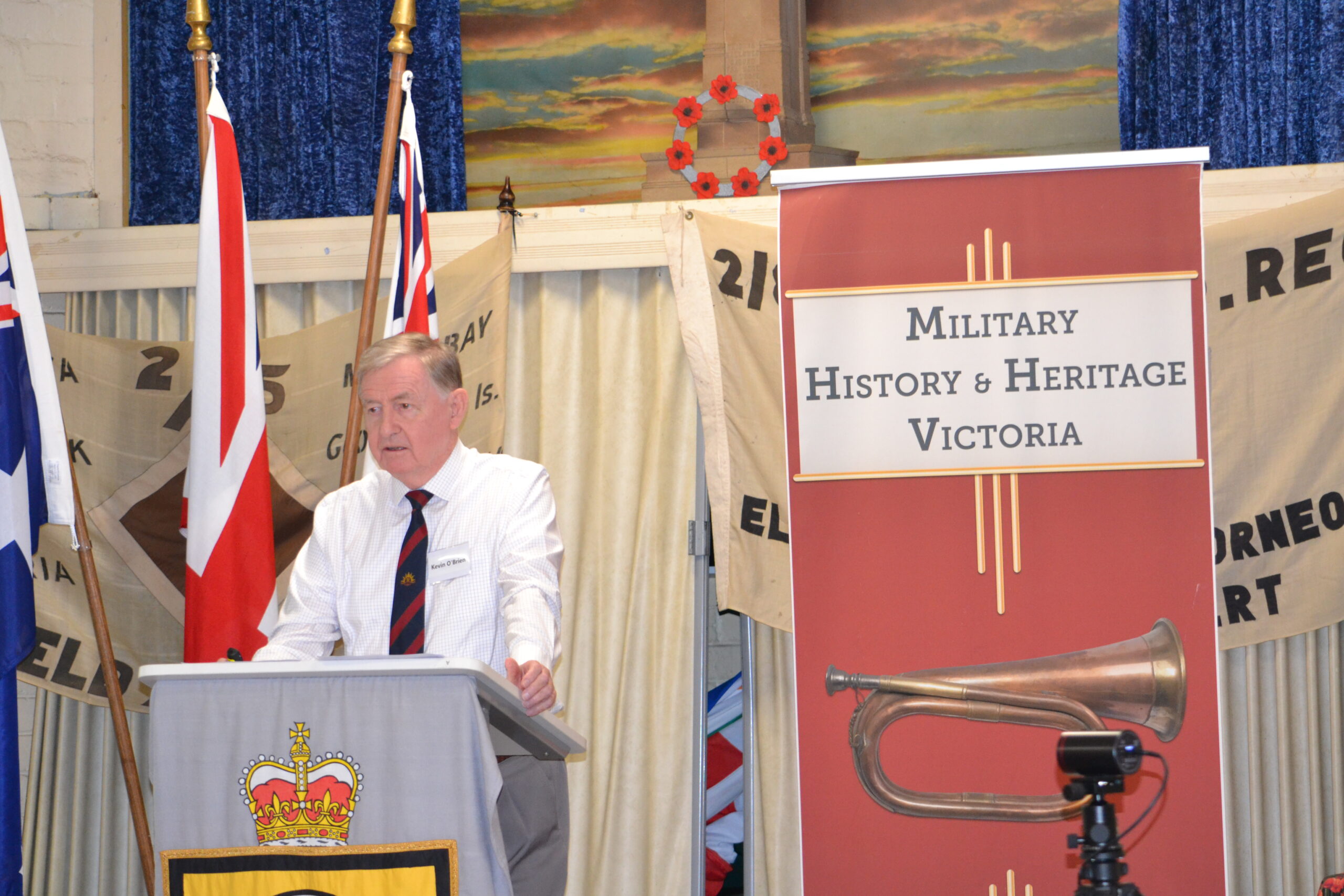
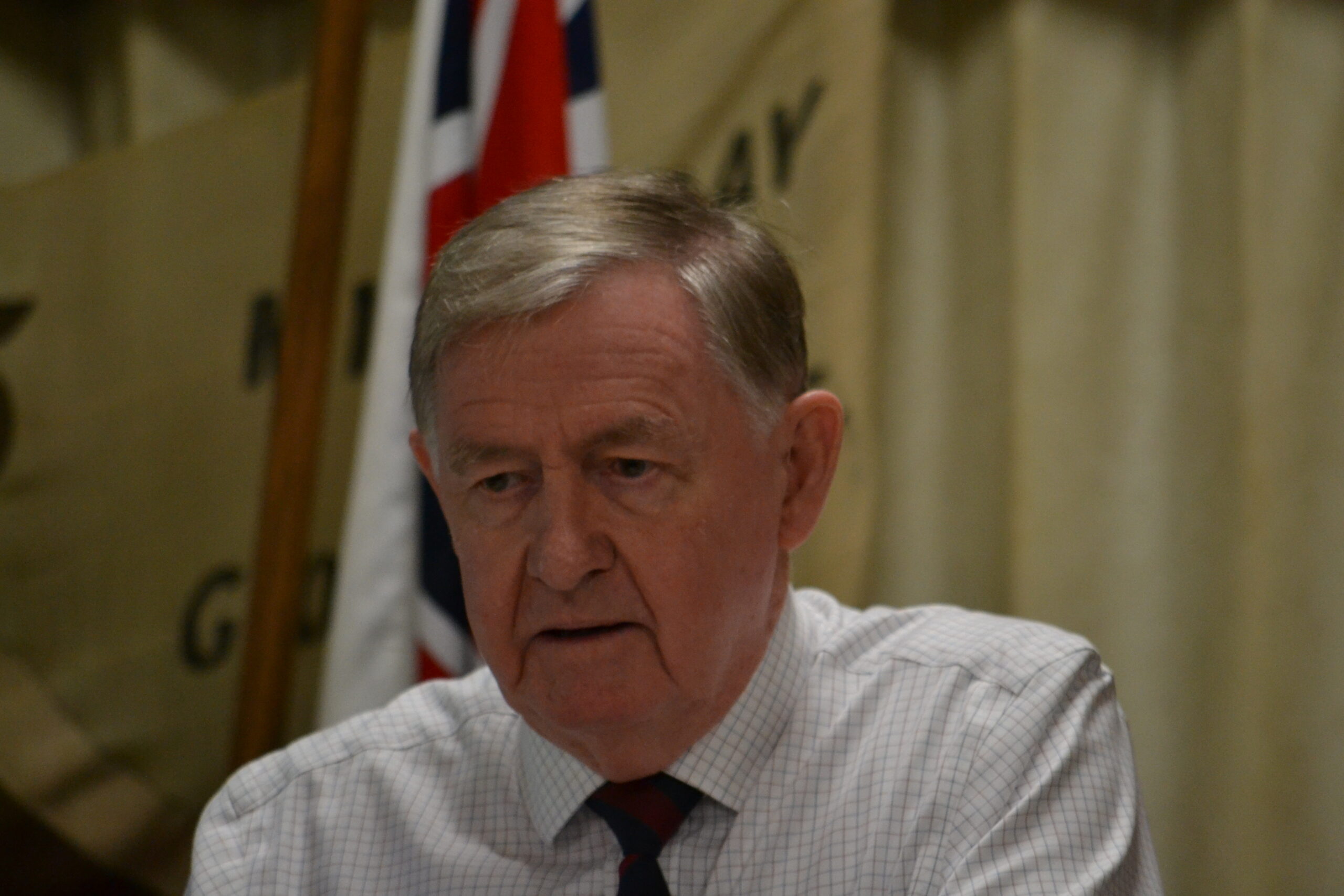
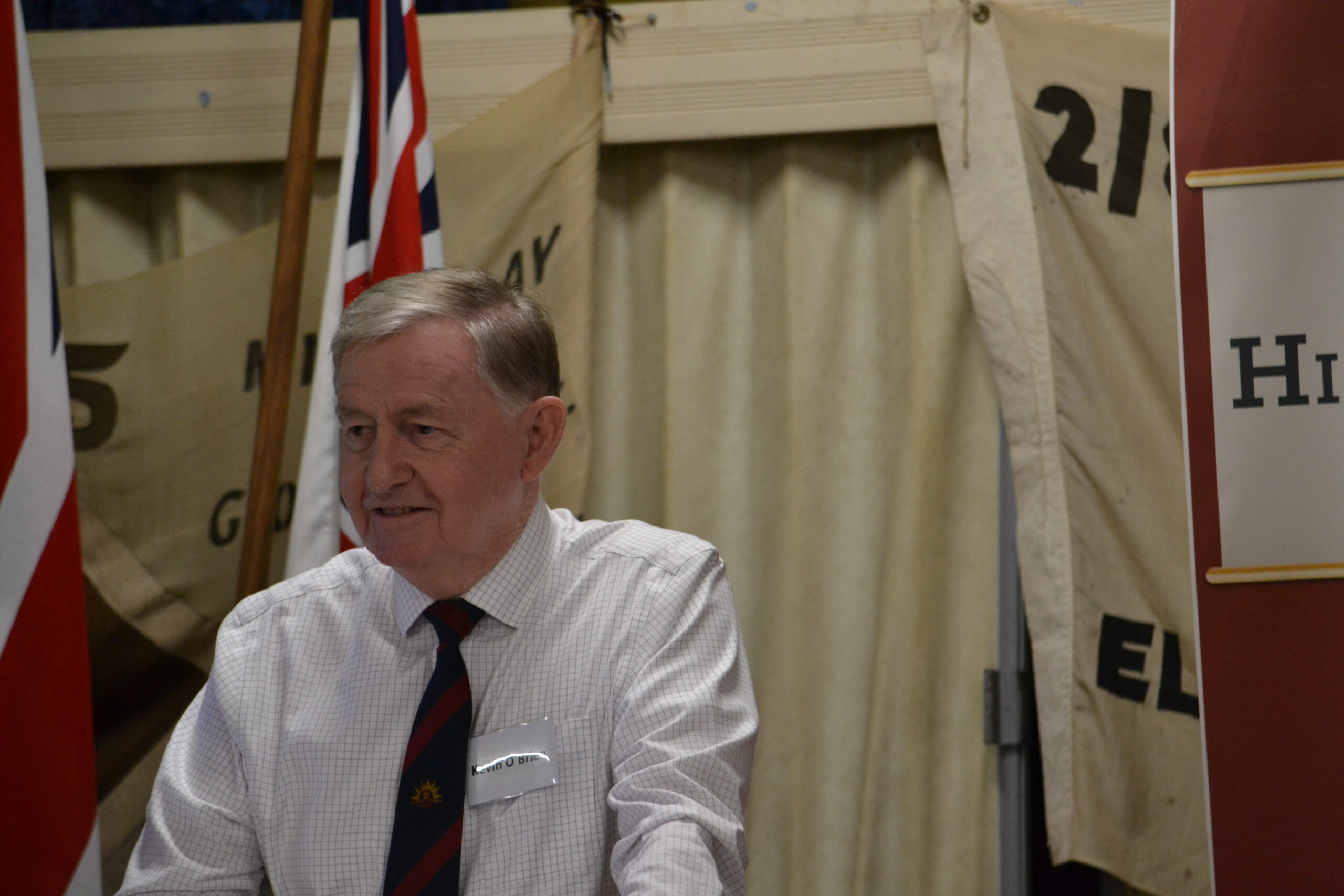
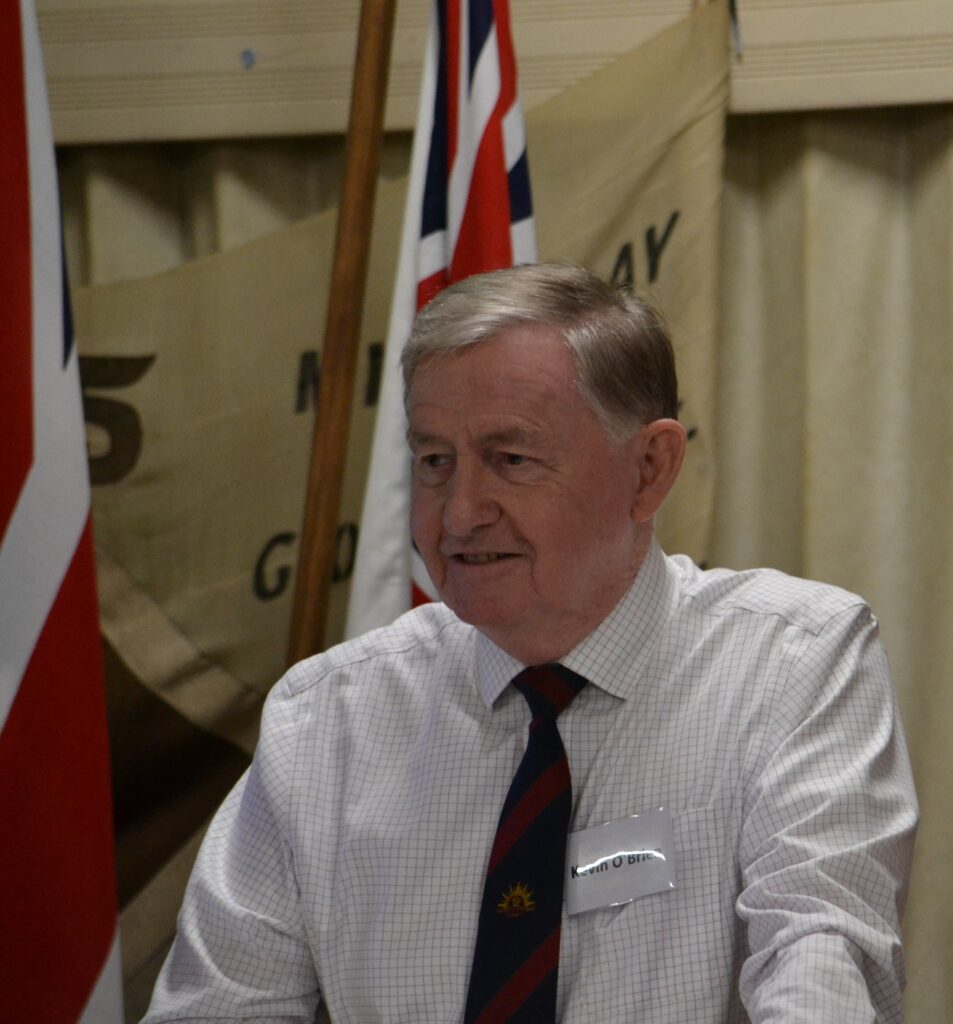 Brigadier Kevin O’Brien CSC (Rtd) followed by presenting a detailed account of the Battle of Long Tan, challenging common myths about the engagement and providing insights into the actions of both Australian and Vietnamese forces. He highlighted the bravery of individual soldiers and the broader context of the conflict, including the impact on local villages and the strategic objectives of the time.
He discussed the events that occurred during the conflict, including the roles of different companies and the controversies surrounding the battle. He highlighted the challenges in determining the exact number of casualties on both sides and the lack of proper burial procedures for the deceased. Kevin also addressed questions about the involvement of New Zealand and RAAF forces during the battle and explained the current state of memorials at the site.
Session 6 – One Crowded Hour III
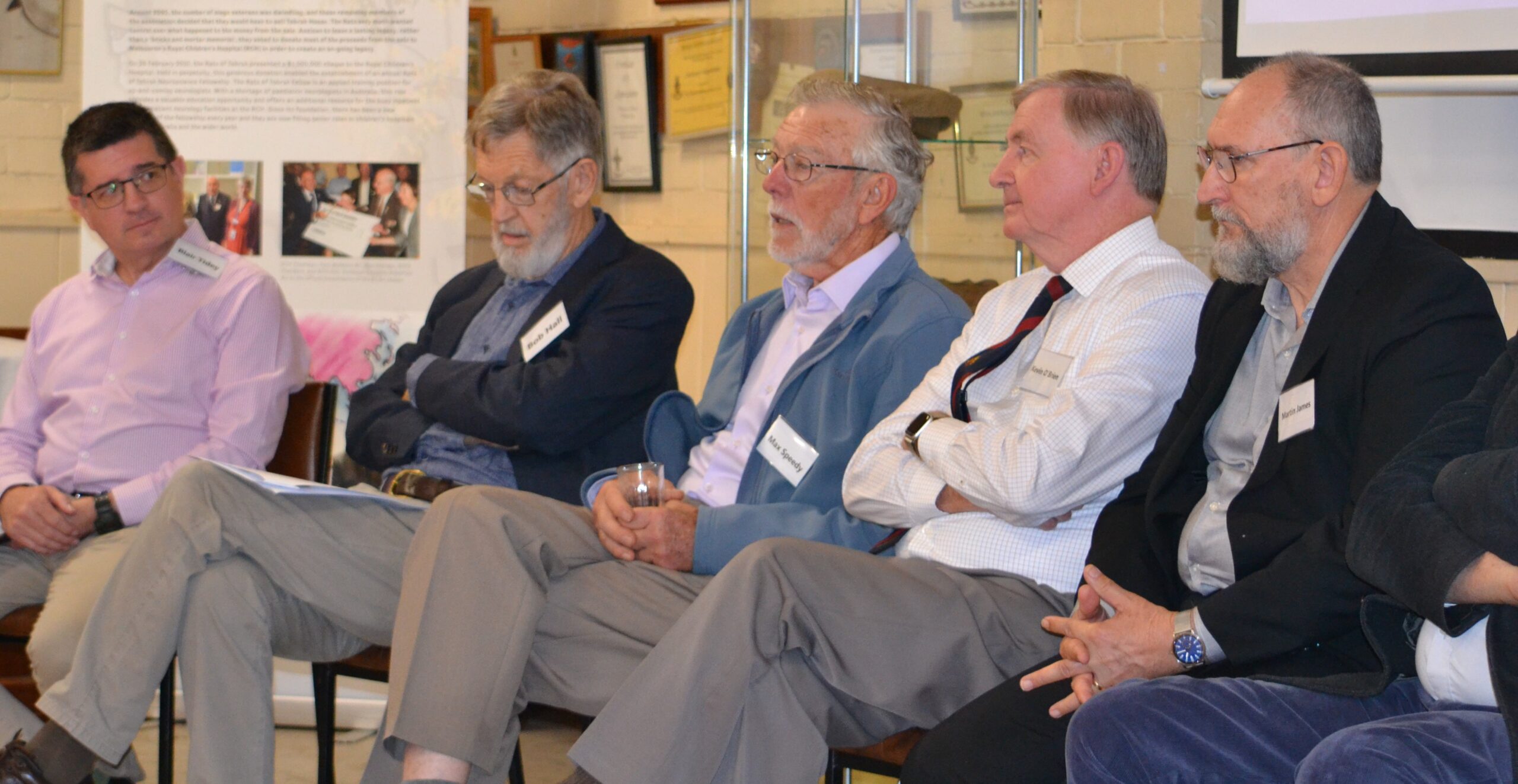
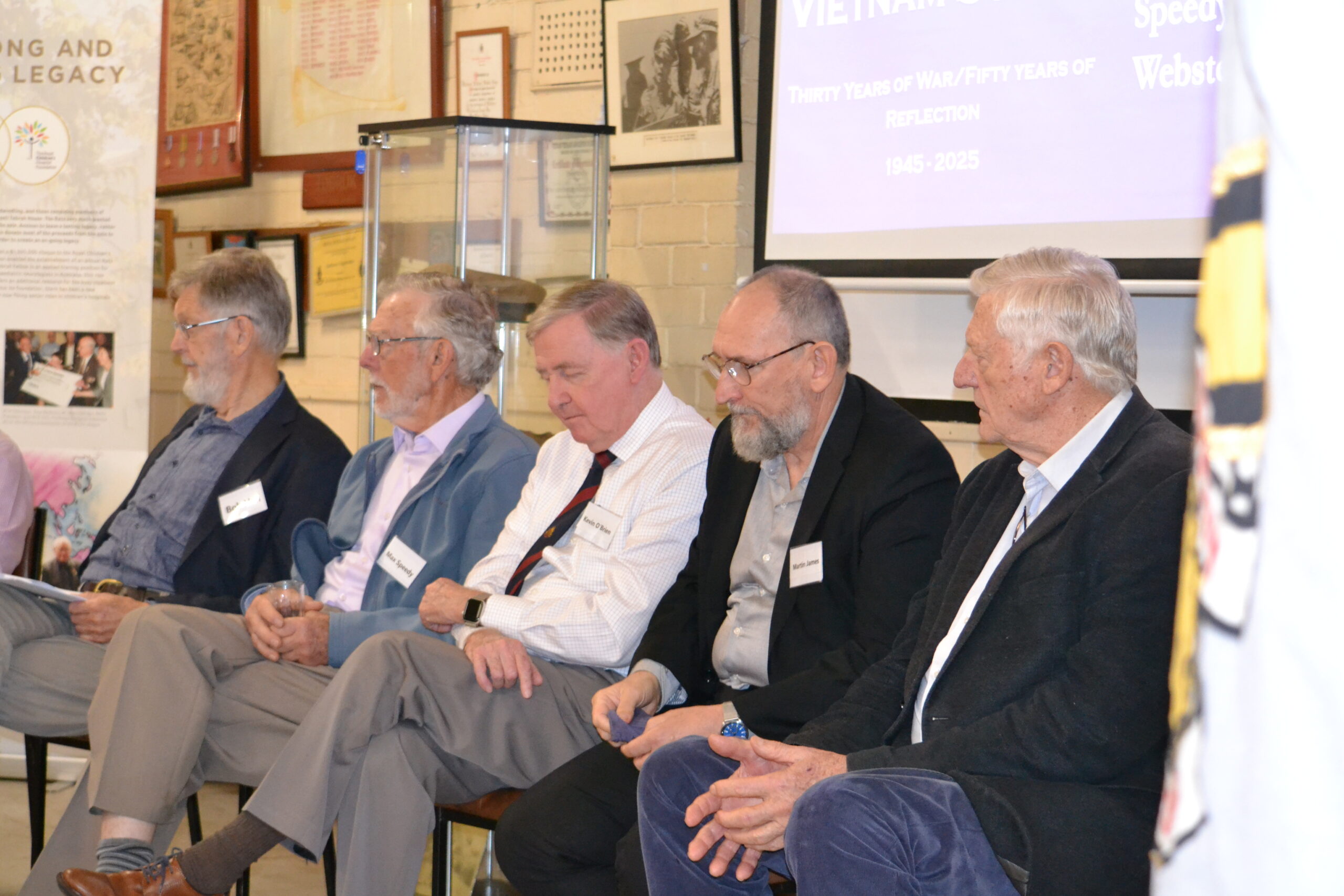
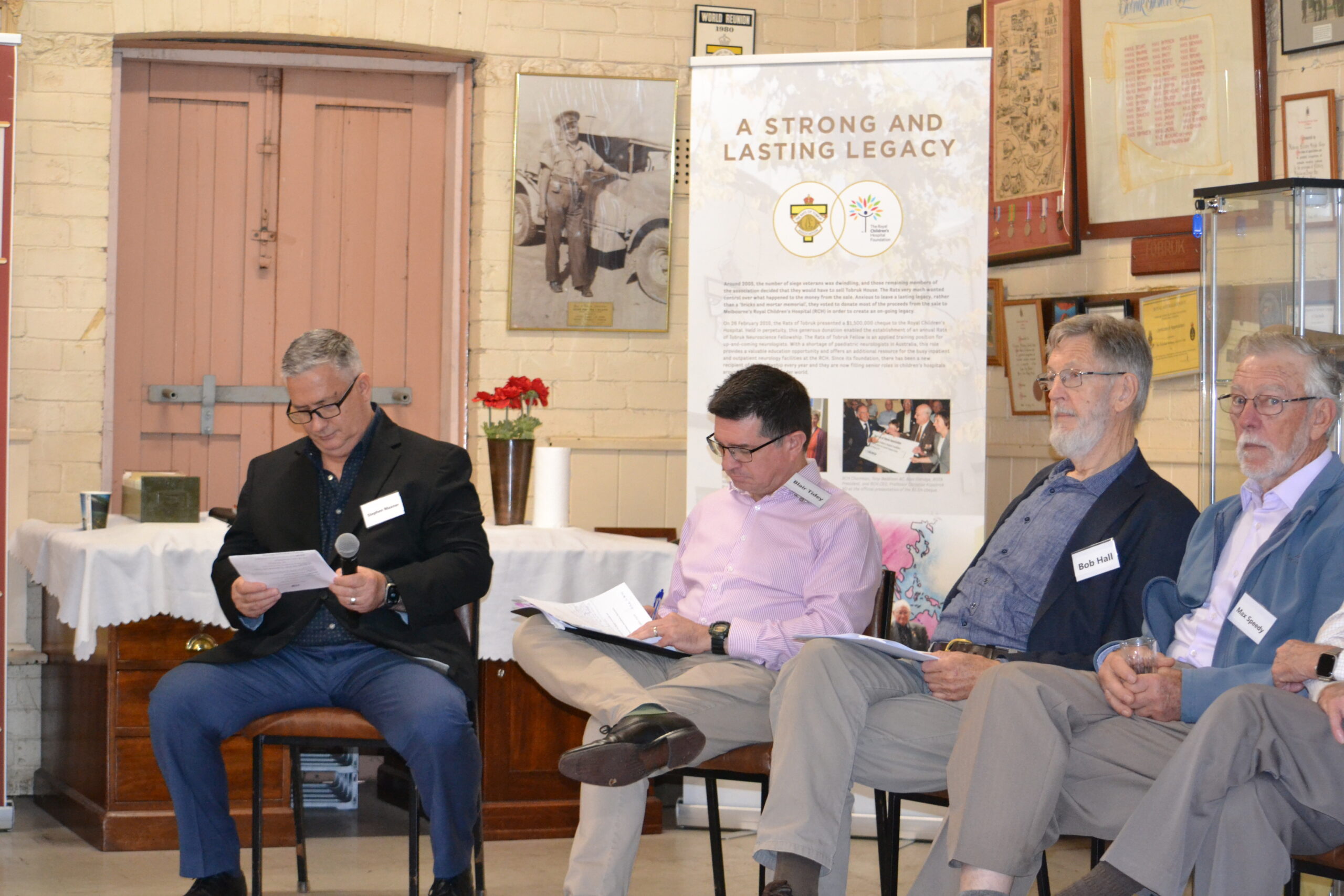
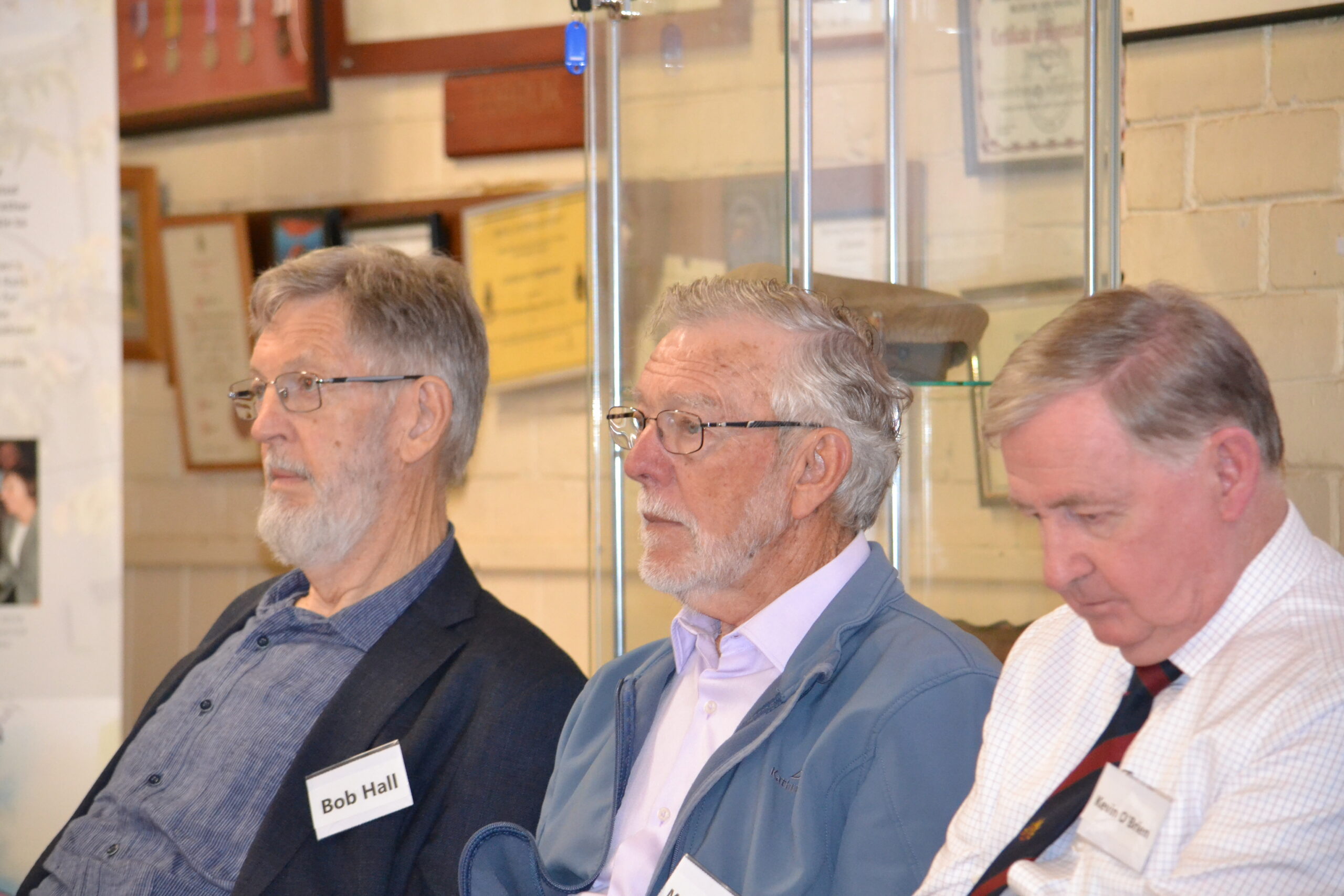
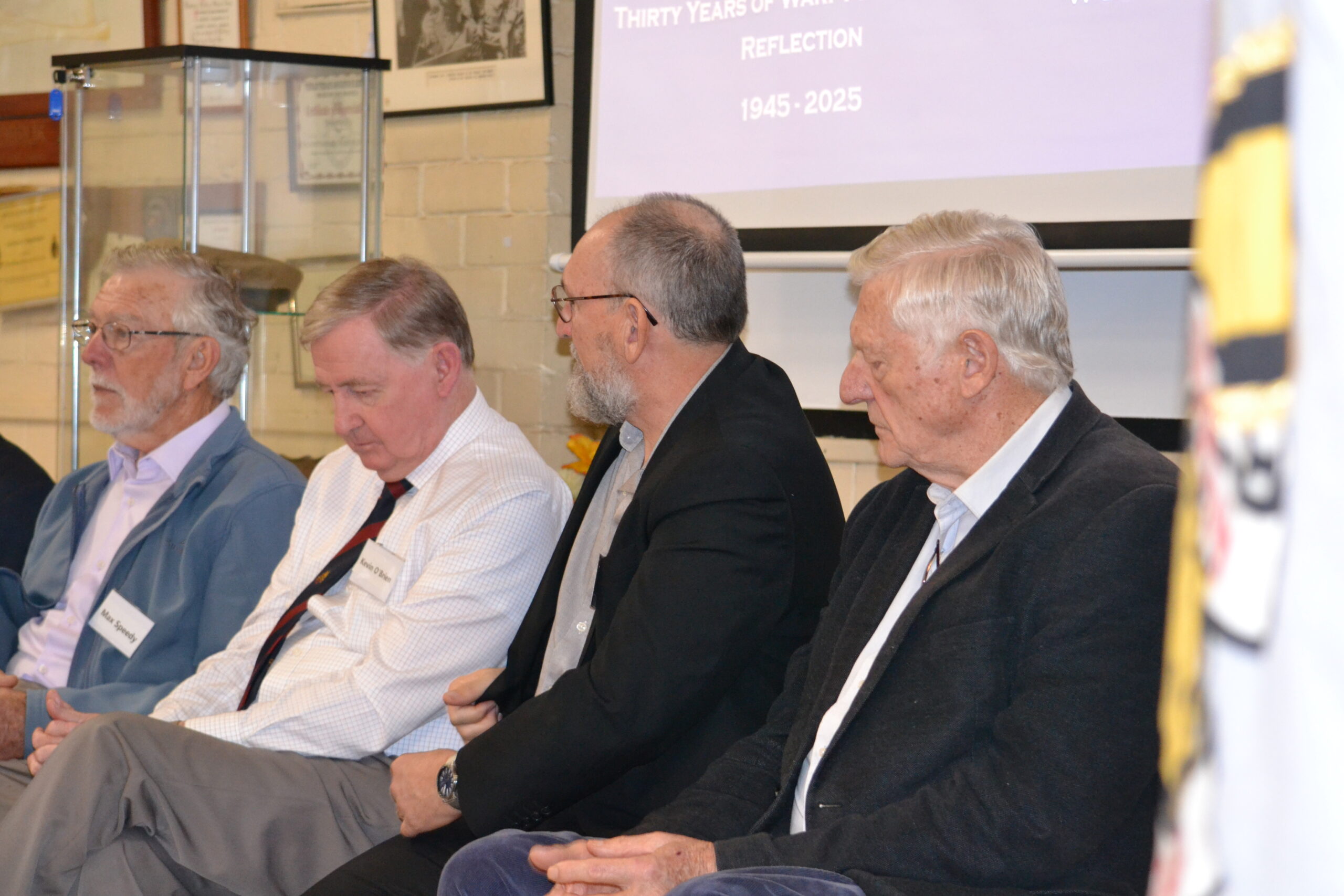
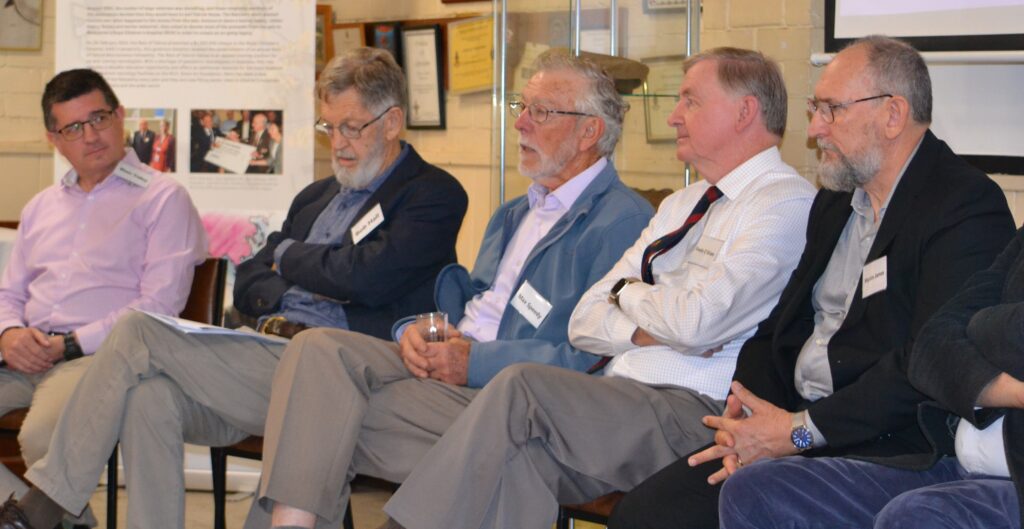 Following lunch, a panel moderated by Dr Stephen Maxner, comprising Bob Hall, Blair Tidey, Max Speedy, Kevin O’Brien, David Webster and Martin James attempted to answer the question “Was the Australian air, sea and land contribution to the war effective, measurable and recognised? Could more have been done?” The panel discussed the effectiveness of Australian air, sea, and land contributions to the Vietnam War. They agreed that while Australian forces were well-trained and effective in their operations, the war was ultimately a political struggle that could not be won militarily. The panel highlighted limitations in Australian doctrine, which was heavily influenced by operations in Malaya and not well-suited to the larger-scale conflict in Vietnam. They also discussed the challenges of strategic bombing and the importance of political-military leadership alignment. The RAAF’s effectiveness was noted, with high serviceability rates for their aircraft, though their capabilities were limited by broader commitments around the world.
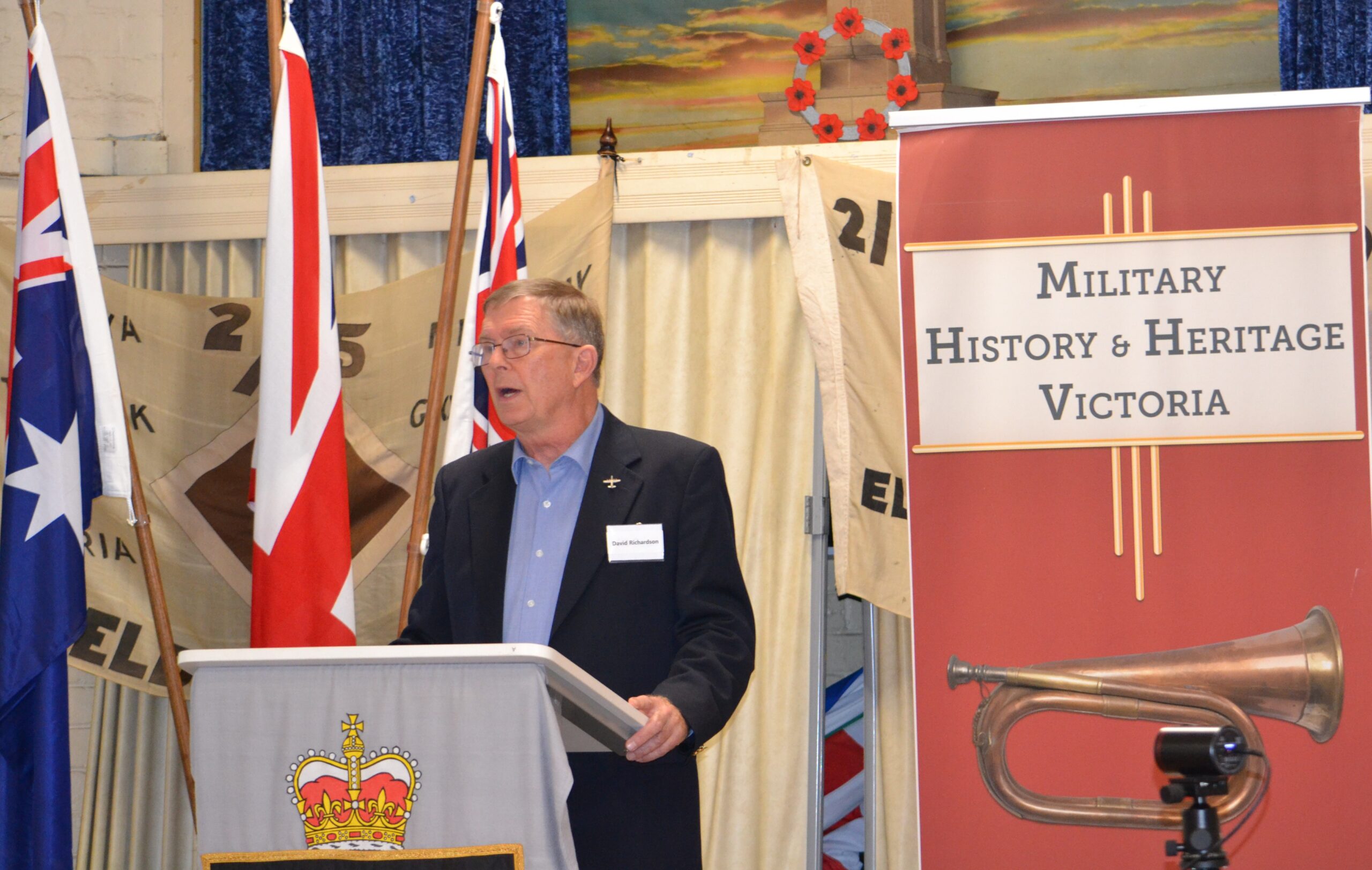
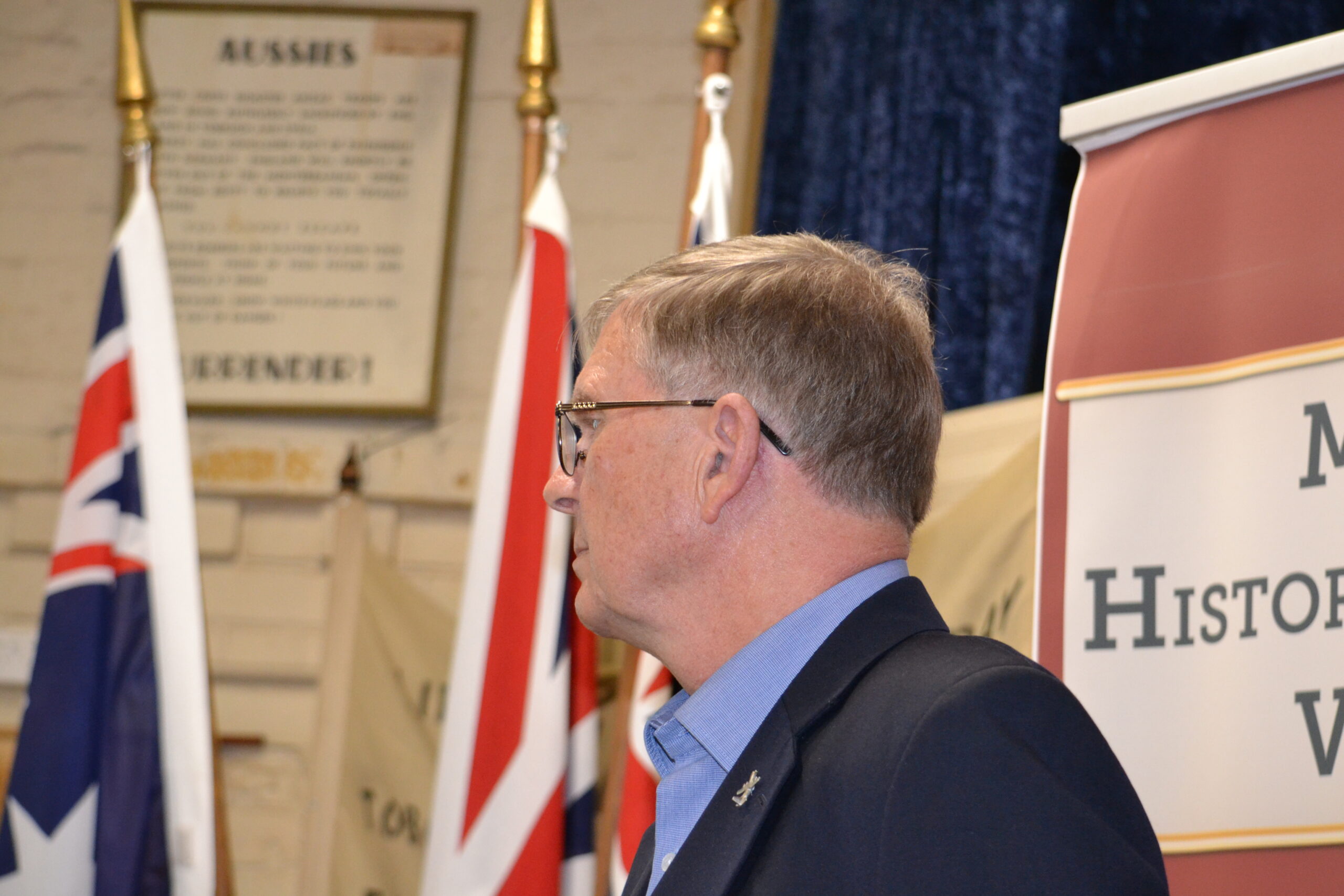
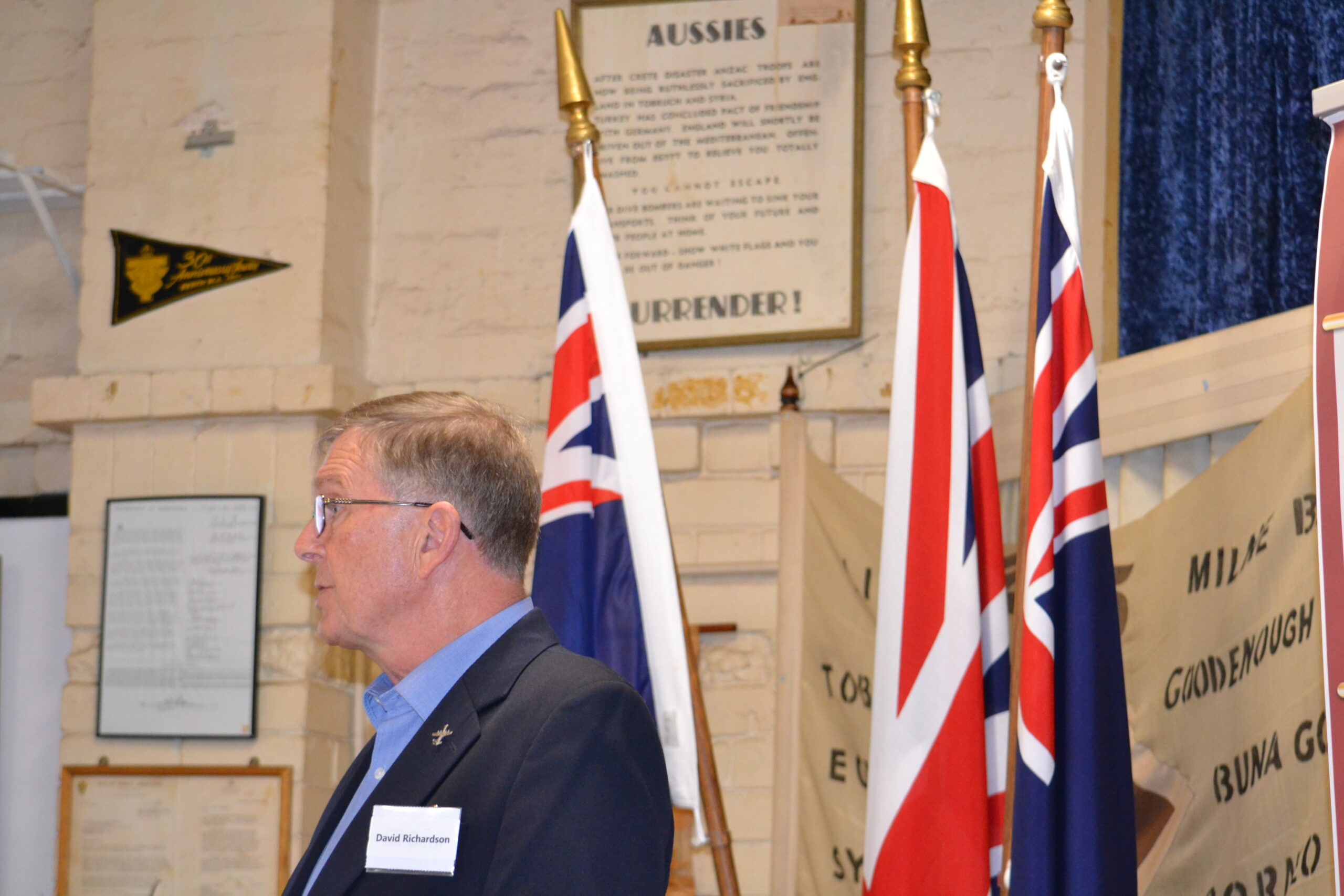
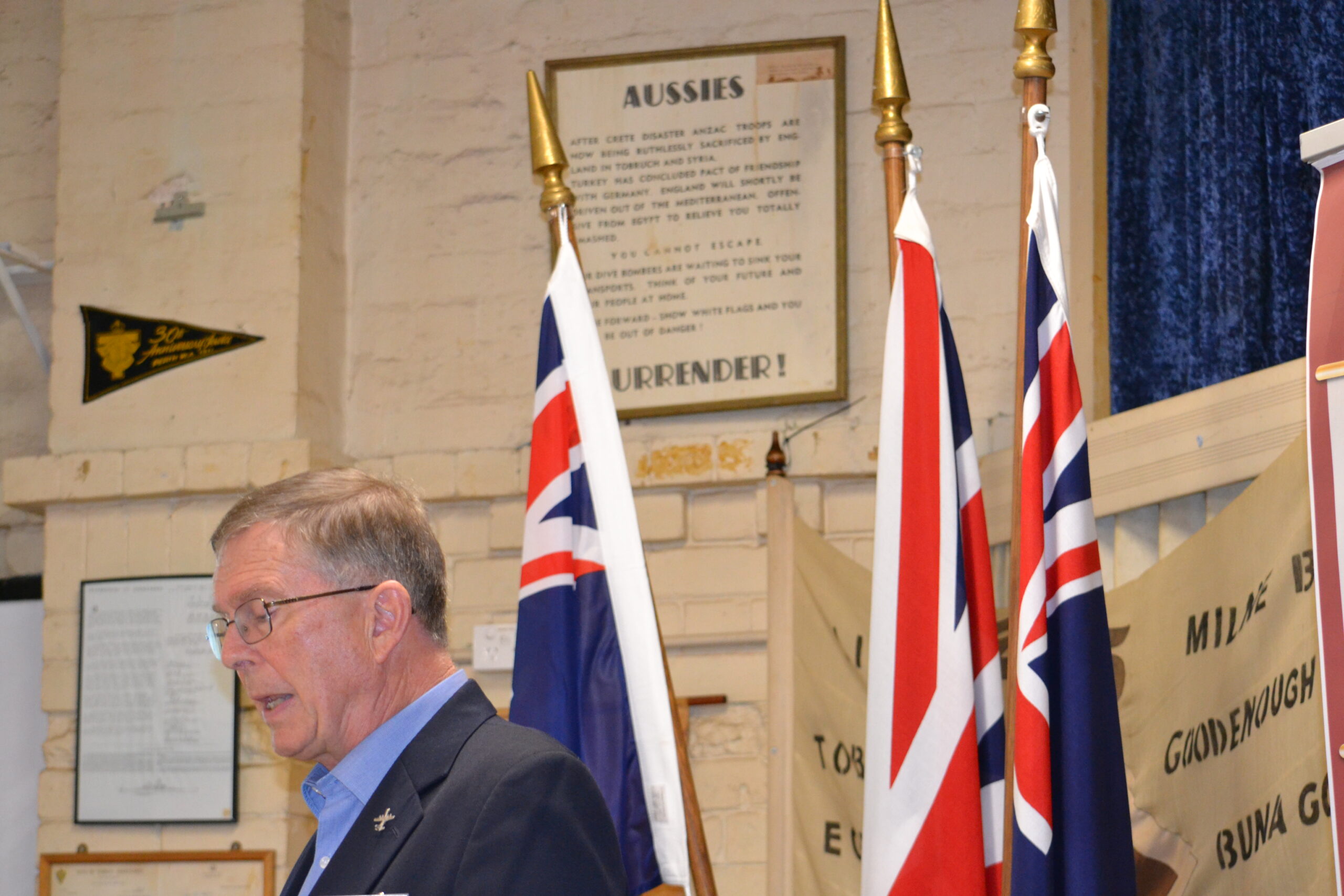
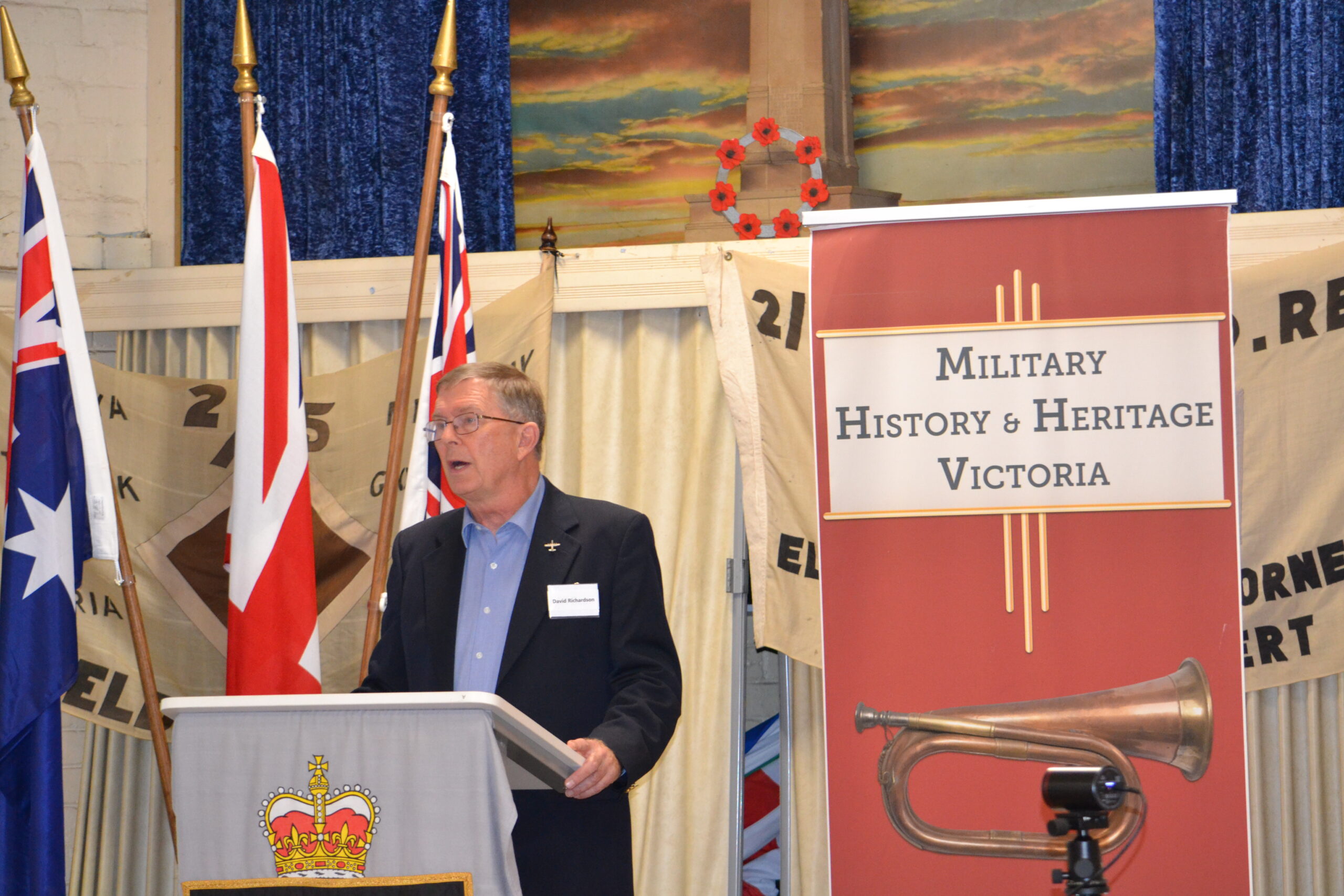
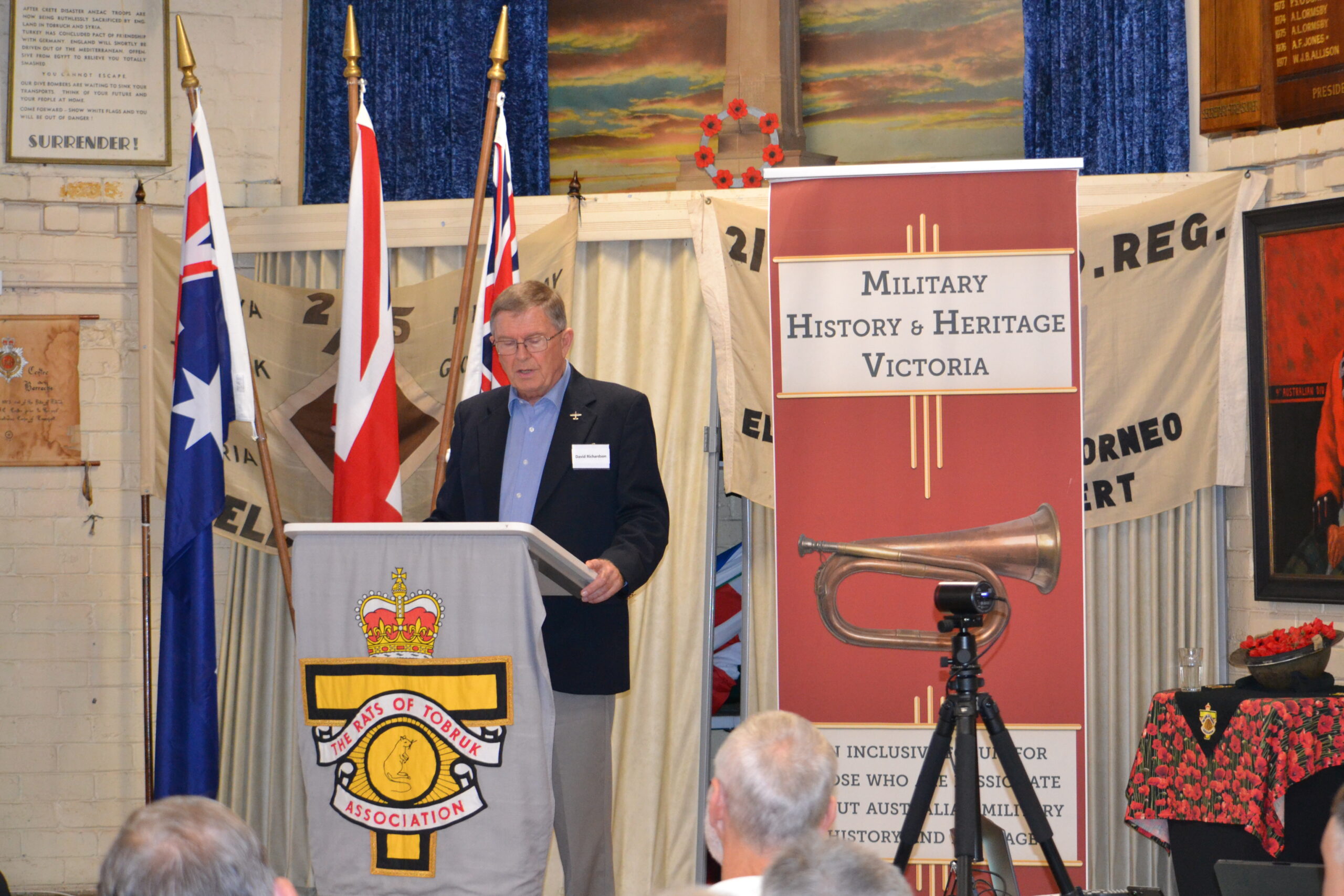
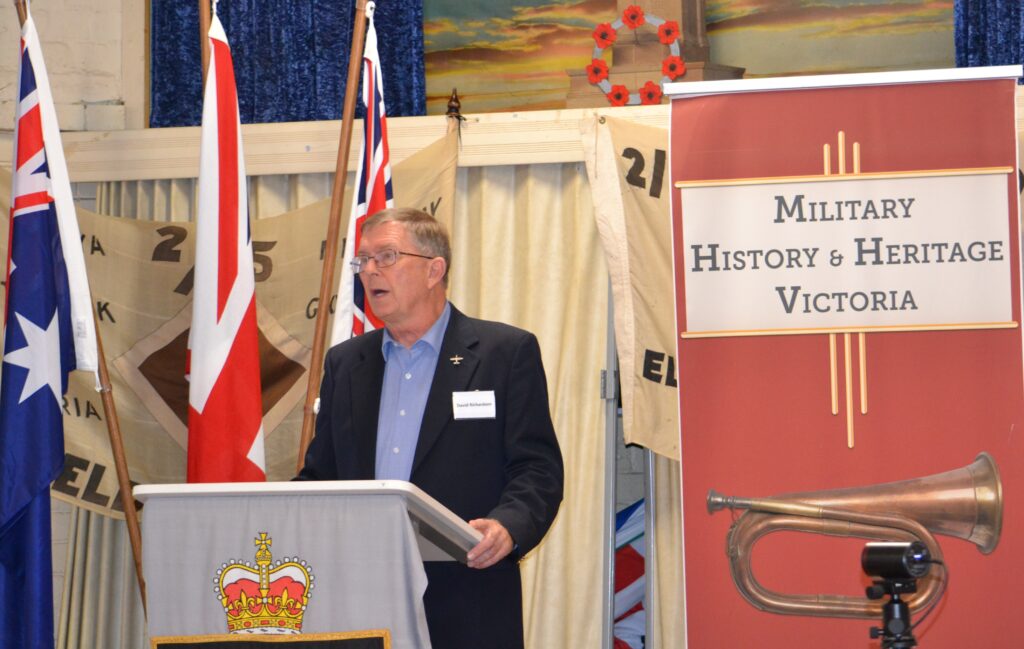 After the panel, Daryl Moran introduced Former Director Air Force Heritage Group Captain Dave Richardson CSC RAAF (Rtd), who presented a detailed account of Operation Sơn Tây, a covert rescue mission in North Vietnam in 1970, highlighting the technical challenges, strategic decisions, and execution of the raid. He explained how the assault force, comprising helicopters and aircraft, navigated challenges such as navigation errors and enemy defenses, ultimately achieving their objective despite some unintended consequences. The discussion also touched on the broader implications of the raid, including its impact on the conditions of POWs and the lessons learned for future operations.
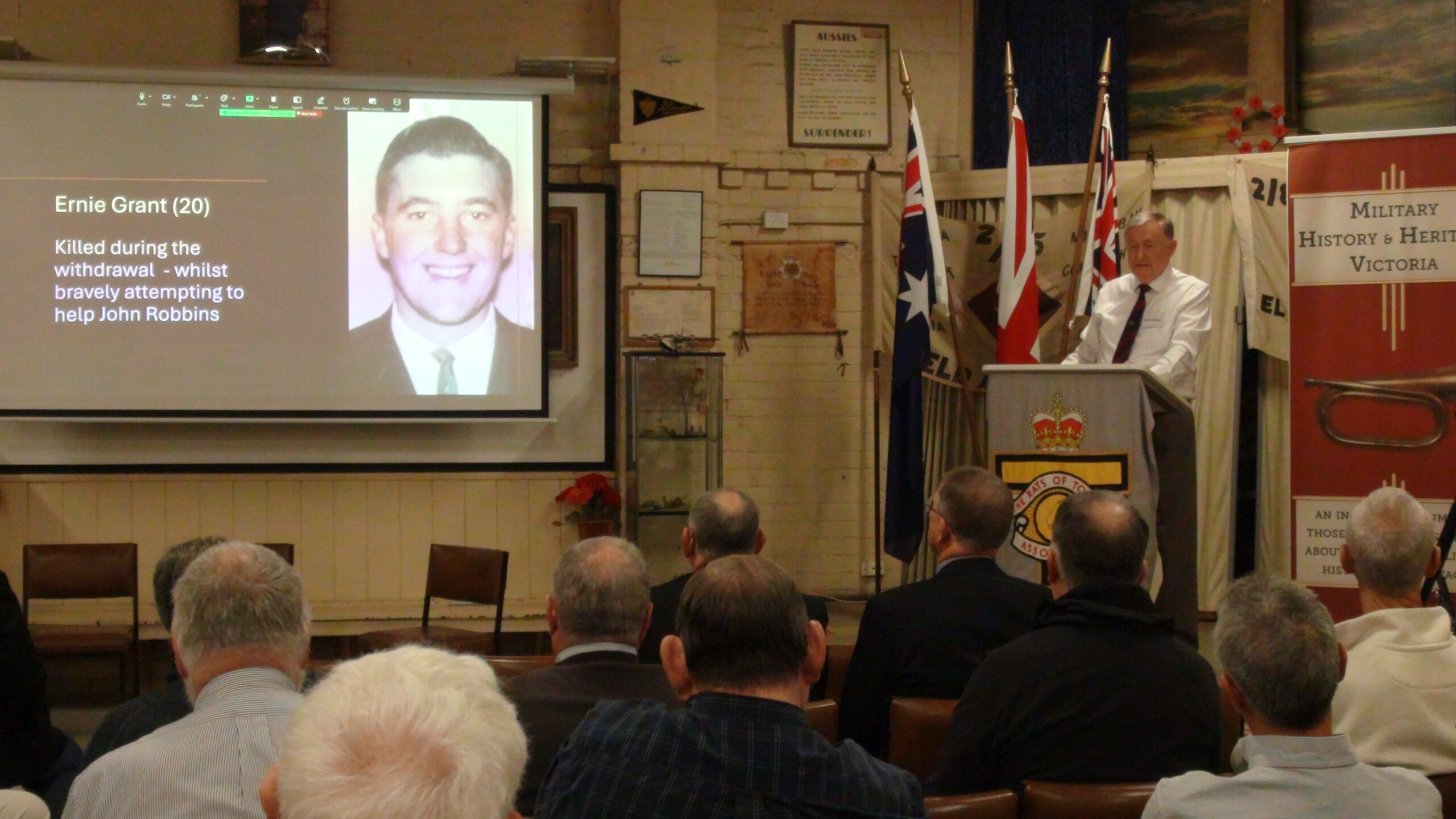
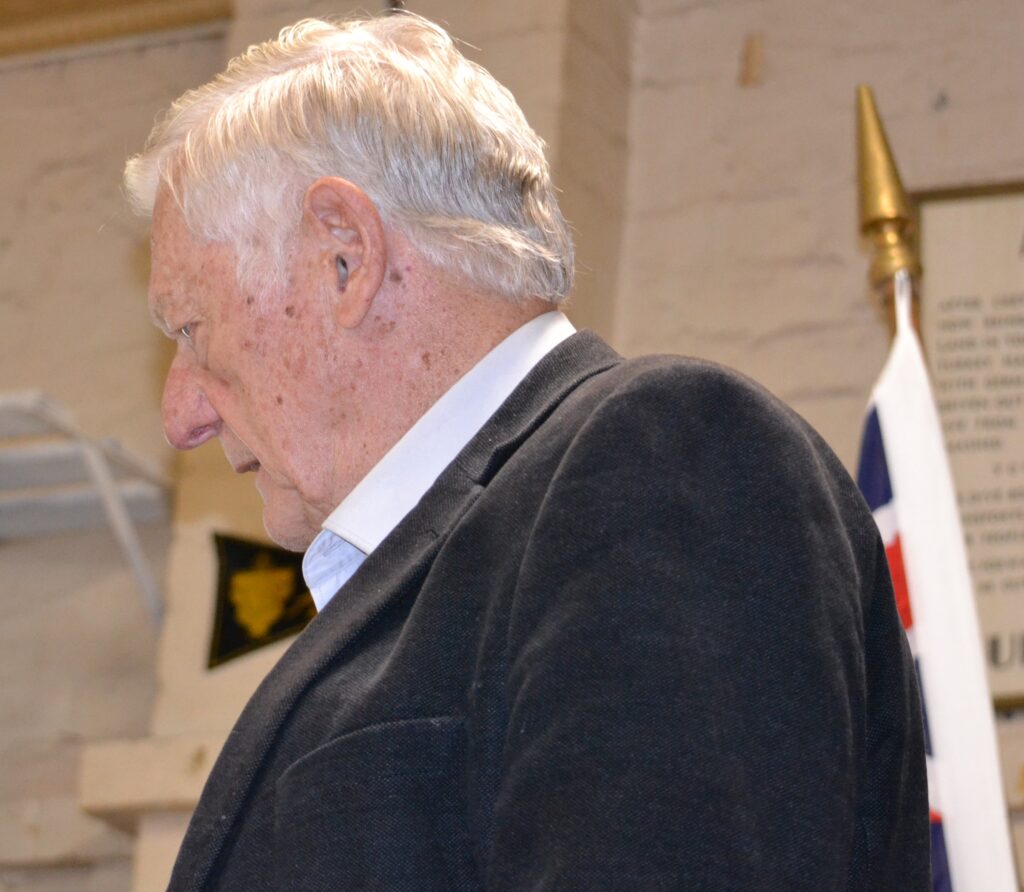 Then Dr Moran introduced Brigadier David Webster AM CSC (Rtd) presenting “Forged in Adversity: The Ivor Hodgkinson Story”. David gave a comprehensive overview of Blue’s life, covering his early years in Perth, his military career including his time at RMC and various postings, and his later life challenges including health issues and PTSD. He detailed Blue’s service in Malaysia and Borneo, including his involvement in combat operations where he killed three Indonesian soldiers, which later contributed to his PTSD diagnosis. The presentation explained how Blue’s military service affected his later life, including his battle with non-Hodgkin’s lymphoma, leg amputation, and eventual diagnosis with Alzheimer’s disease, culminating in his placement in a retirement village where he found some renewed purpose through activities with other residents.
Session 8 – Vietnam Fragments
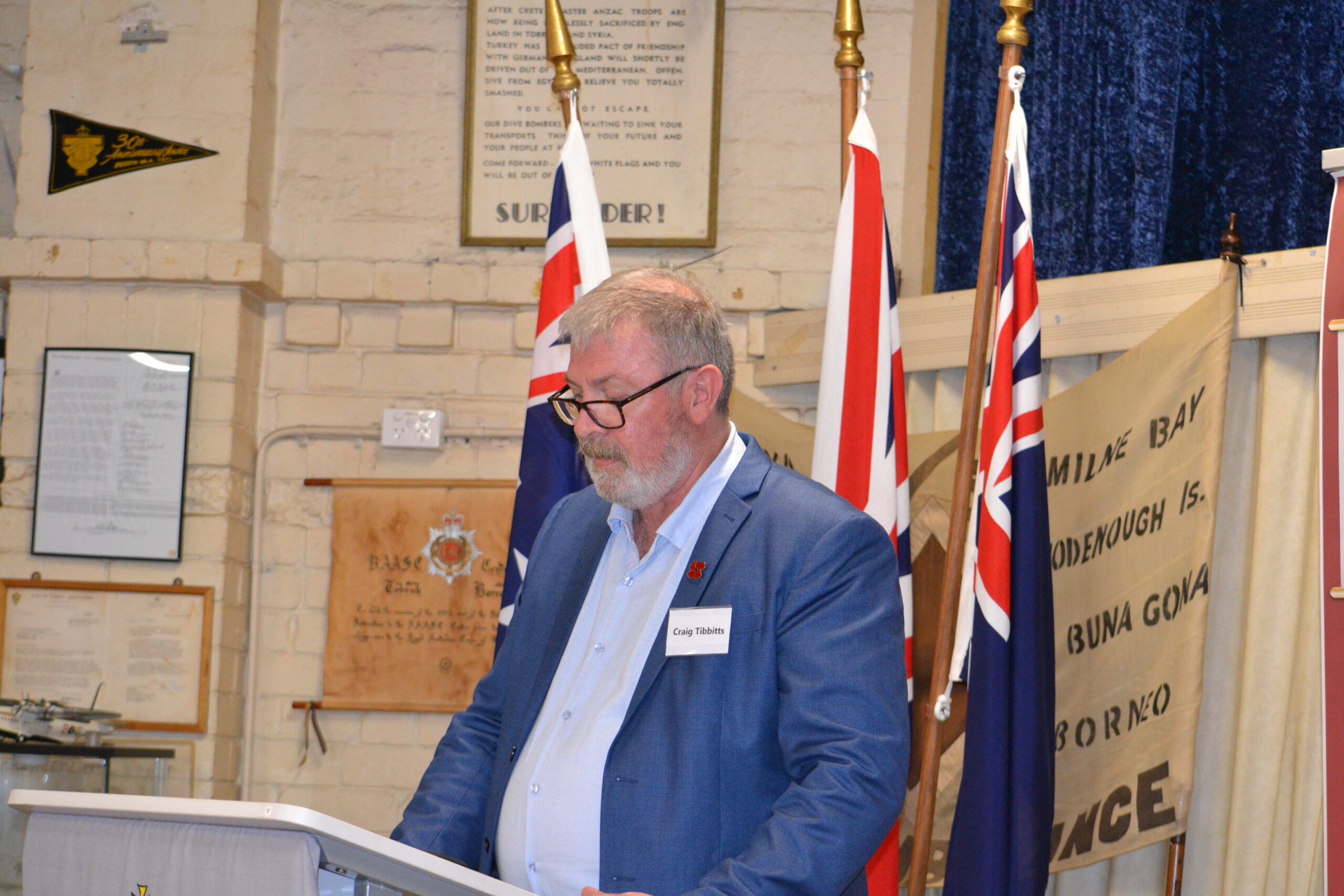
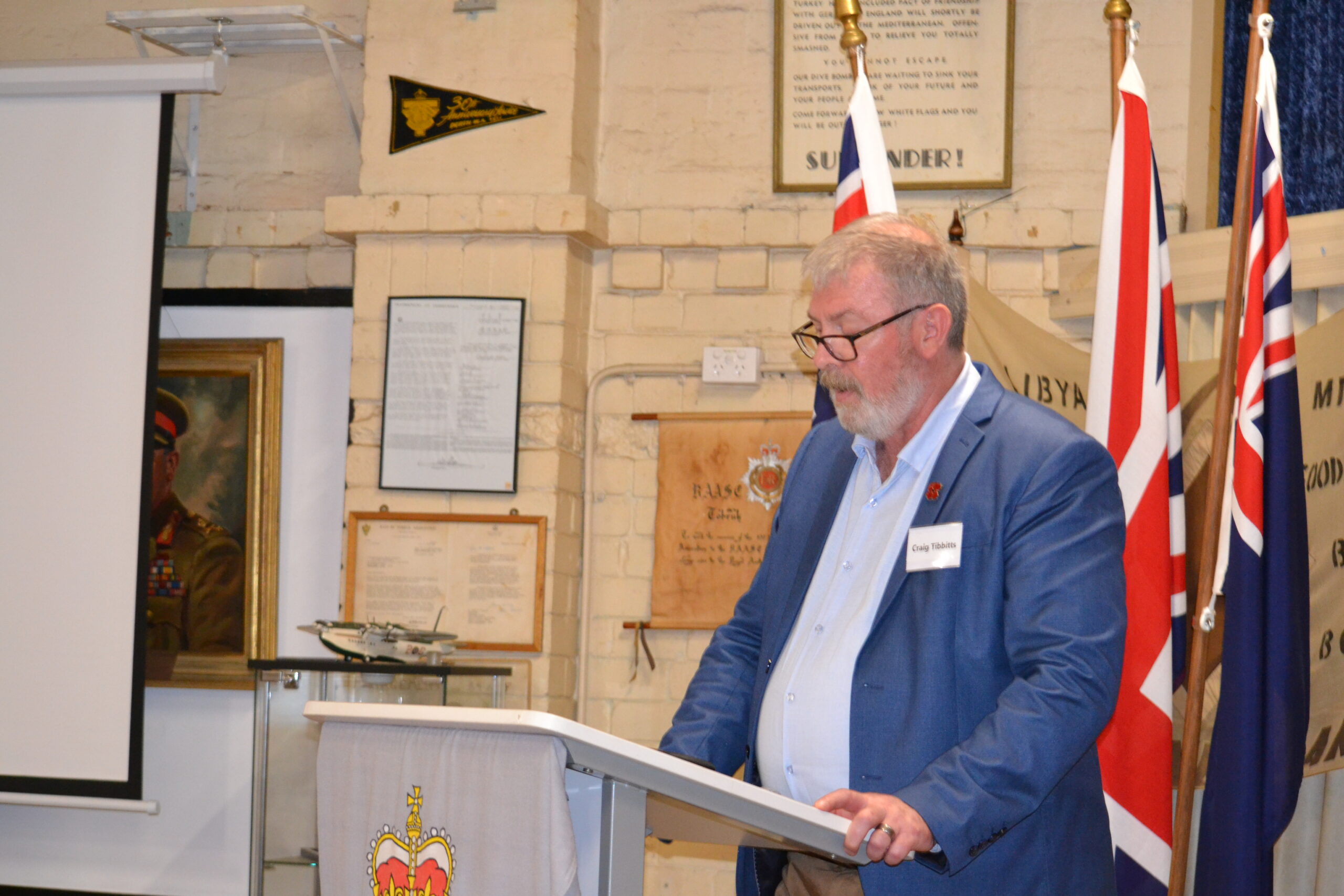
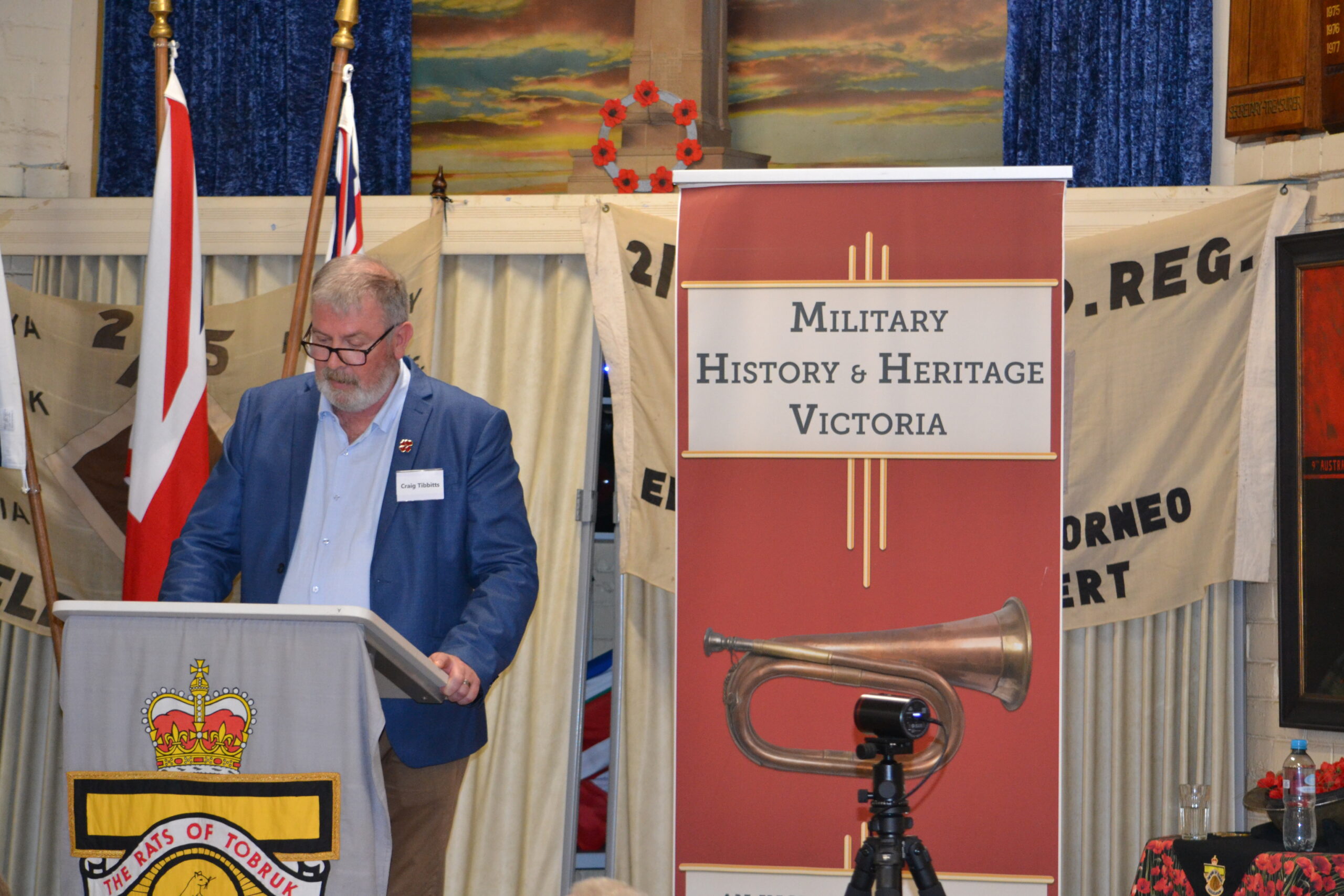
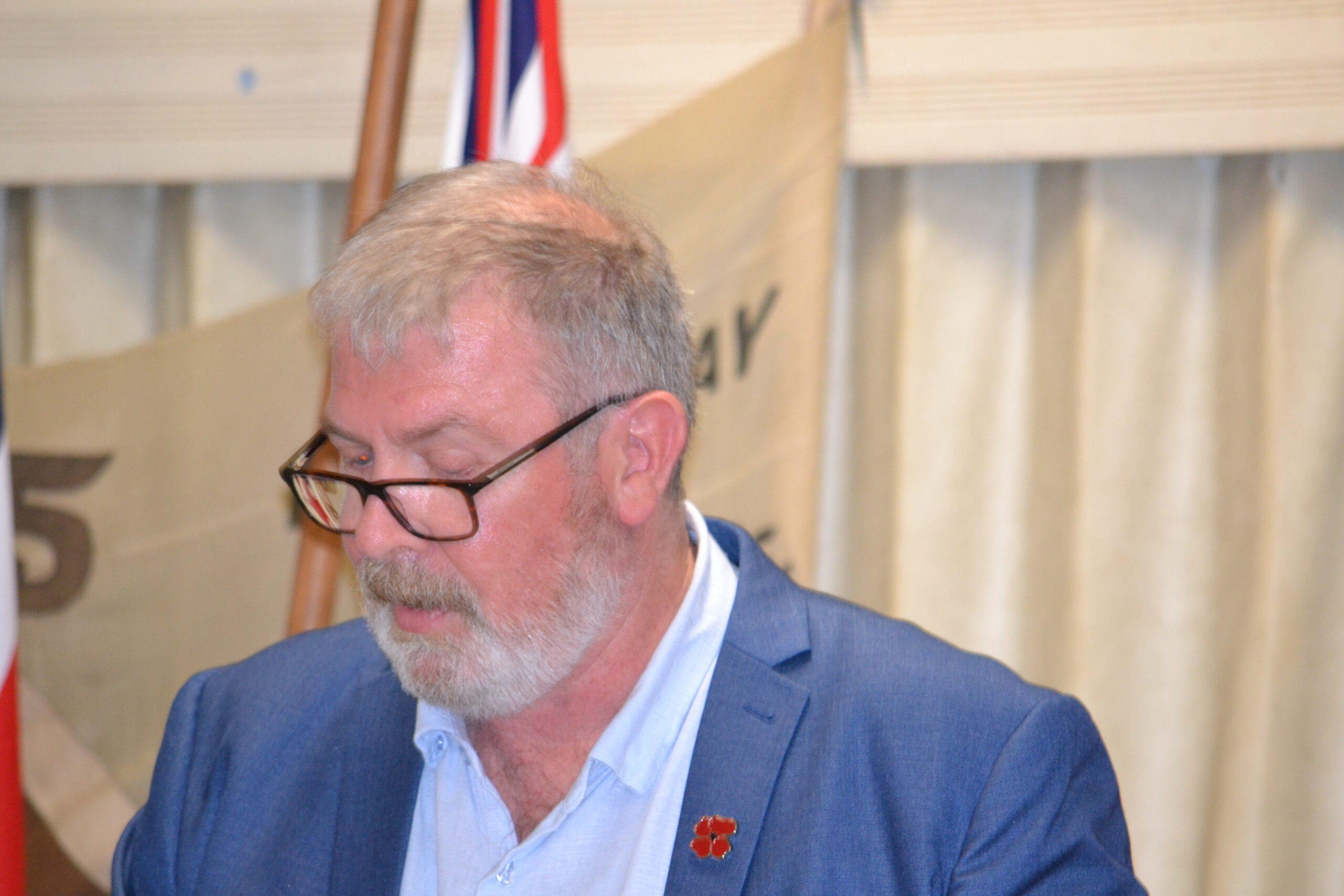
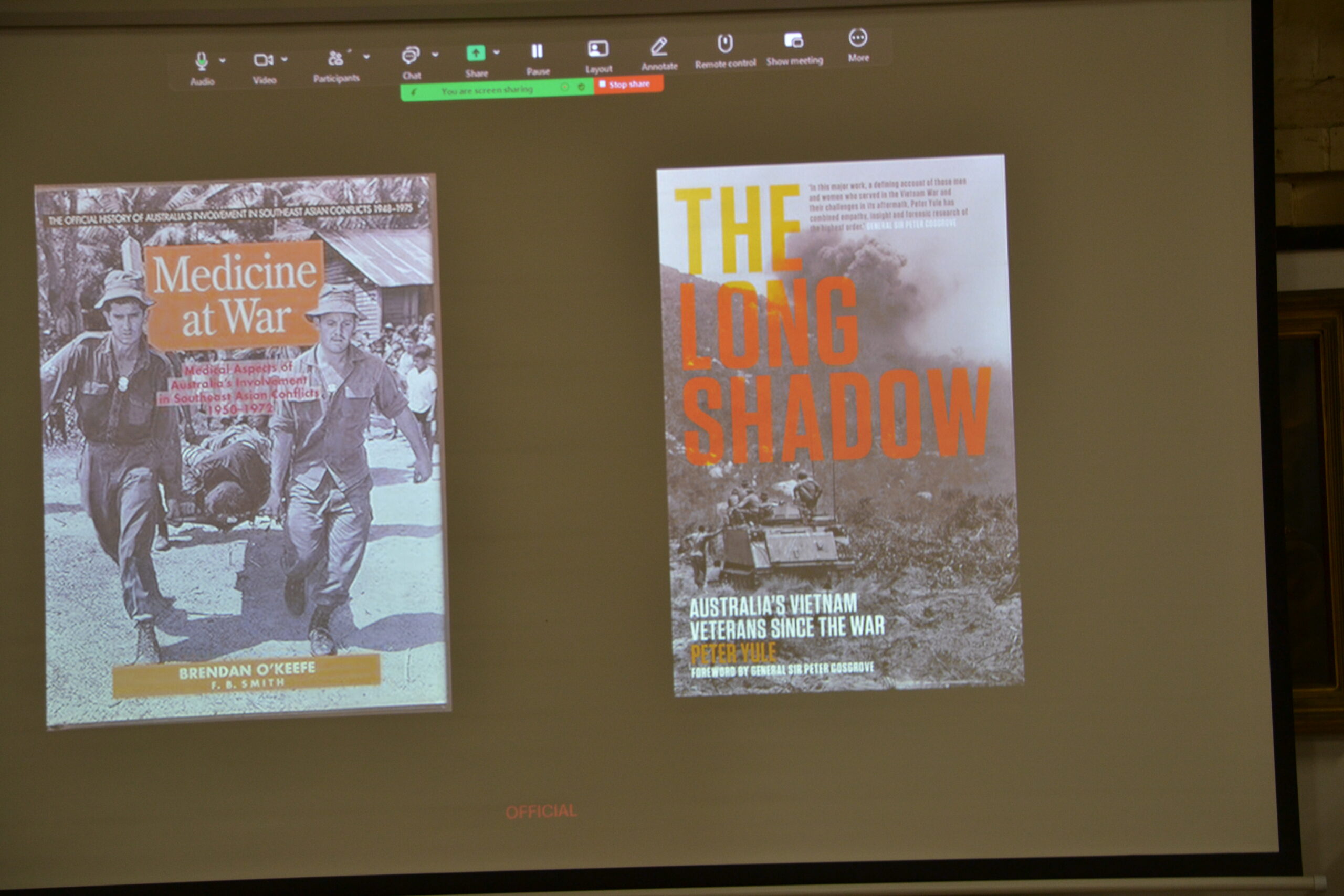
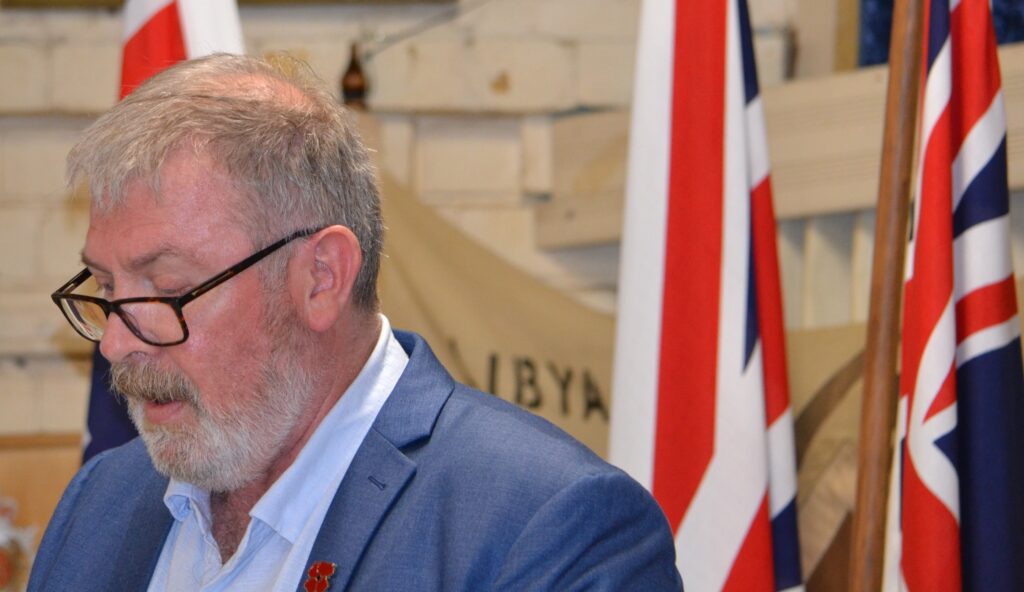 For the final session of the conference, Session Chair, Dr Daryl Moran began by introducing Australian War Memorial Senior Historian Craig Tibbitts, MPhil who presented on the aftermath of the Vietnam War, focusing on how Australian Vietnam veterans coped with their experiences and the medical and psychological legacies they faced. He discussed physical wounds, disease exposure, chemical exposure controversies, and post-war readjustment challenges, noting that while many veterans had successful transitions, others struggled with mental health issues including PTSD, with statistics showing that by 2023 nearly half of surviving Vietnam veterans were receiving treatment for PTSD. The presentation highlighted the long-term impact on both veterans and their families, including higher suicide rates among veterans and their children, and concluded with a discussion of the Long Shadow project which found that Vietnam veterans had significantly worse mental and physical health than other Australians of the same age group.
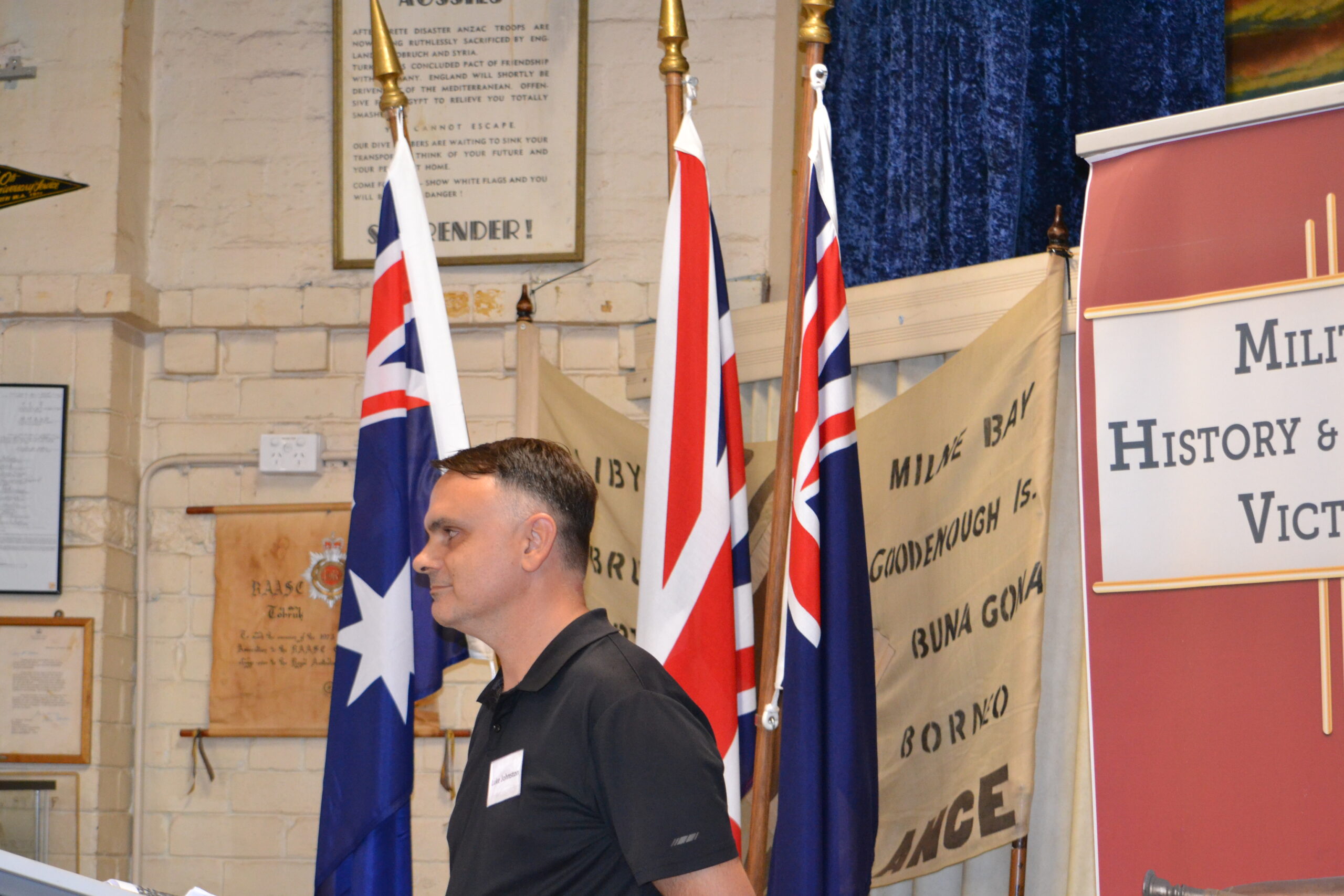
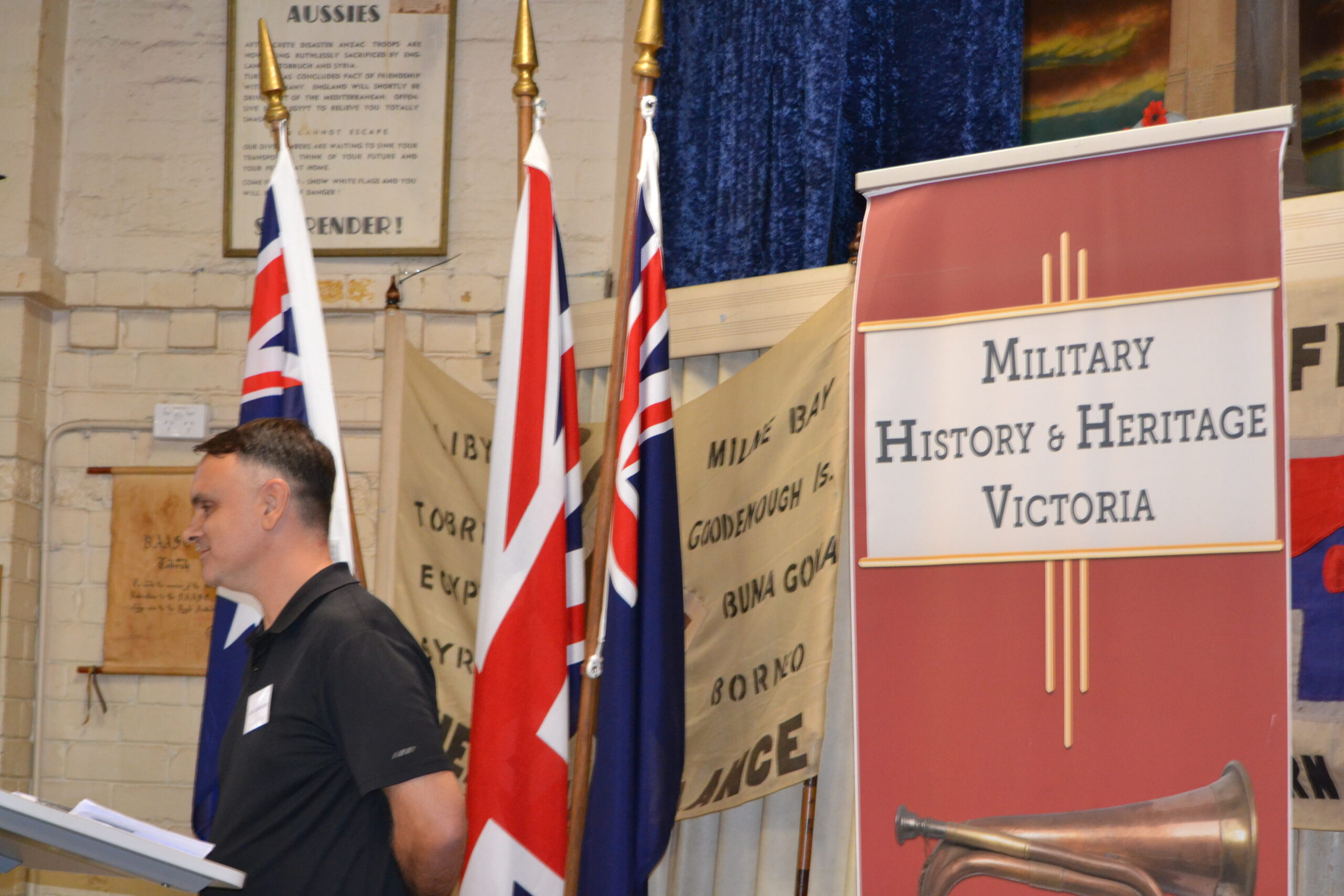
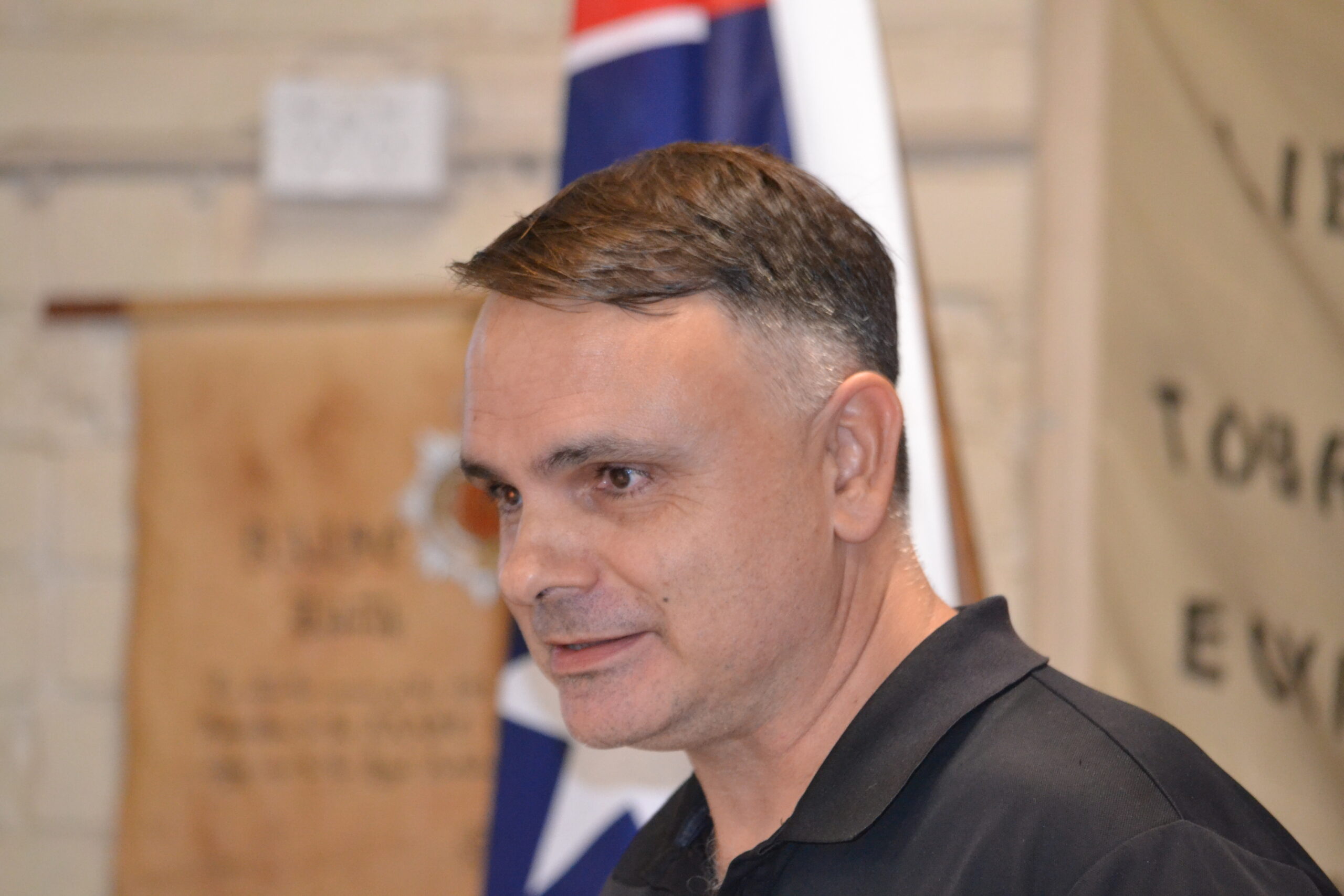
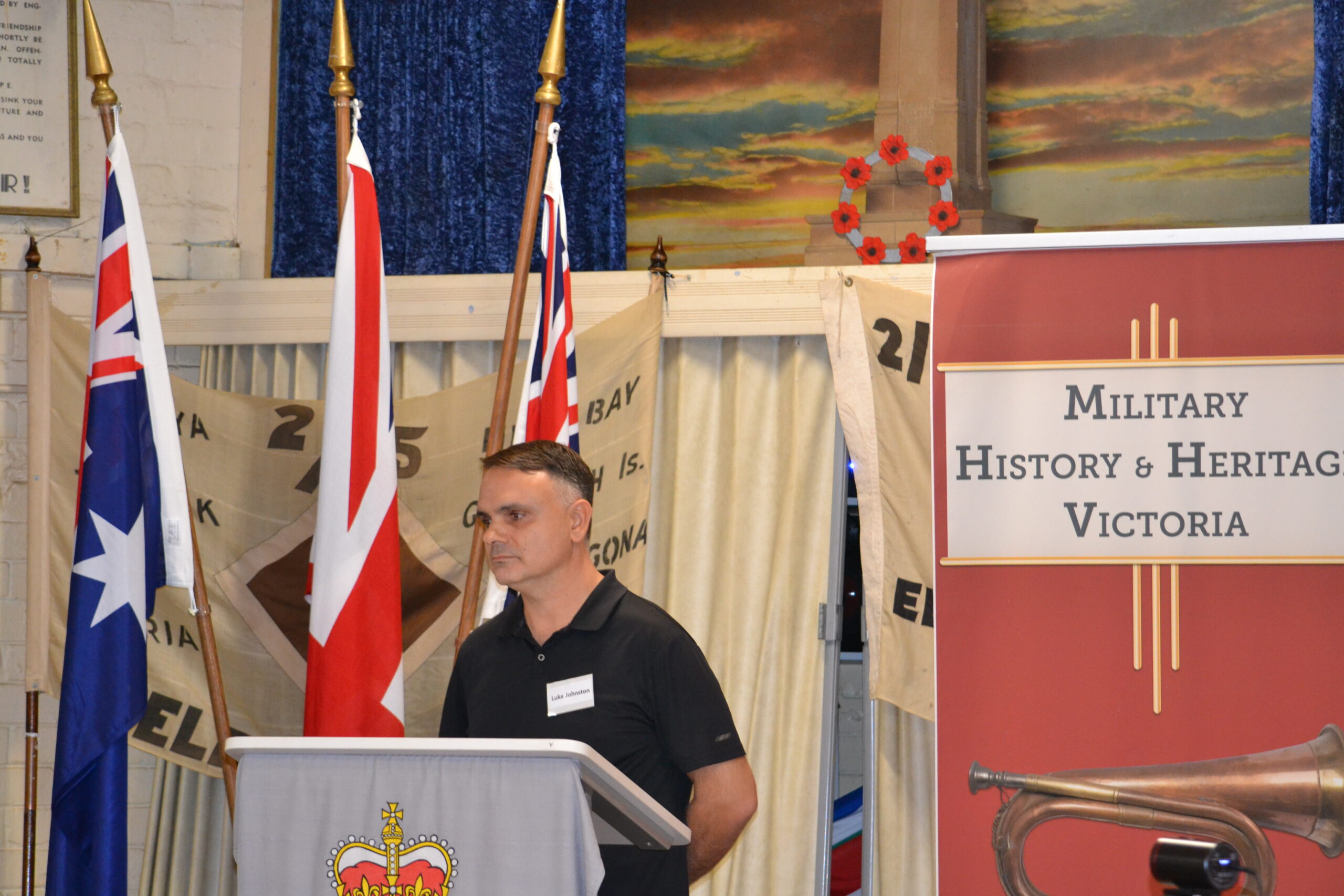
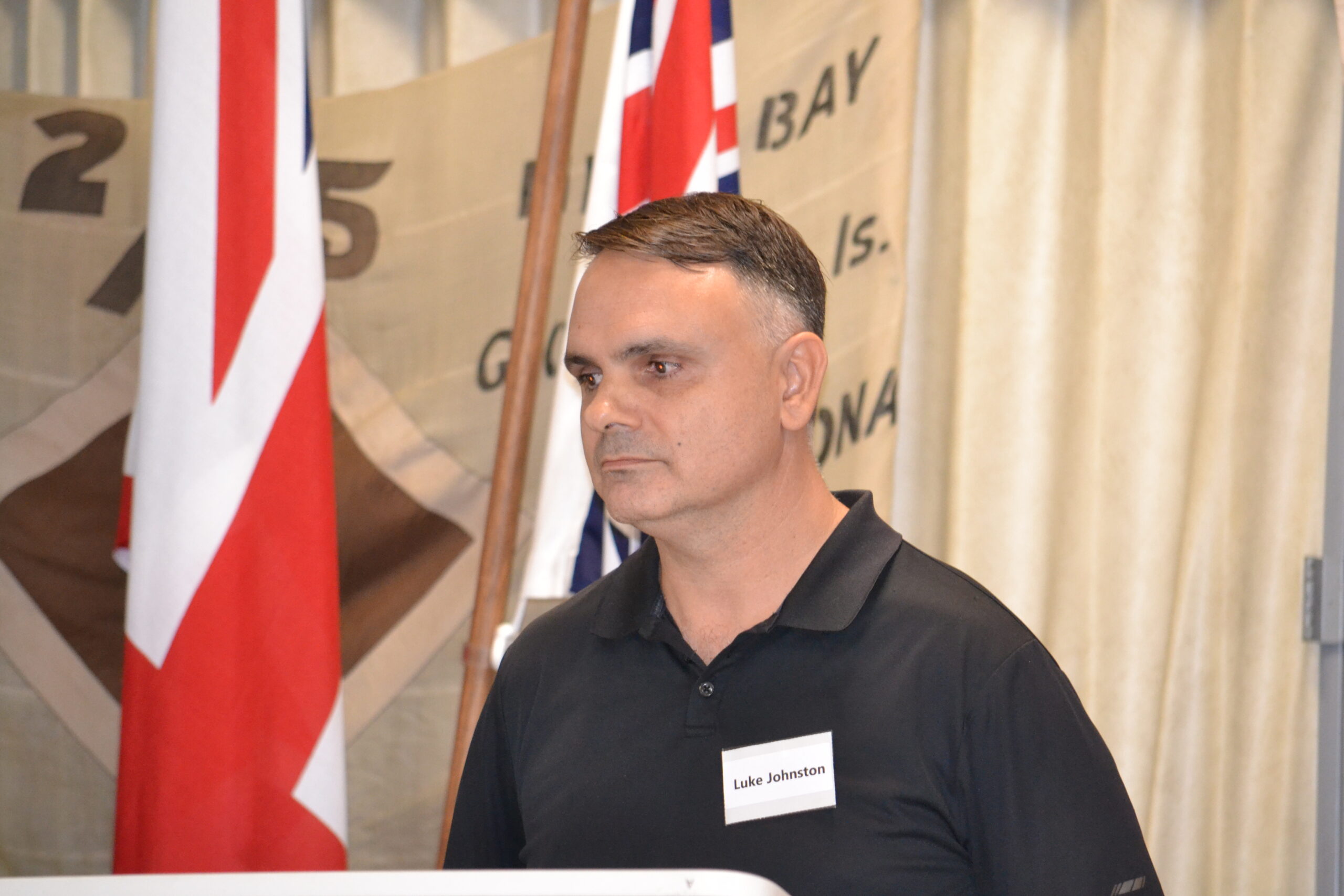
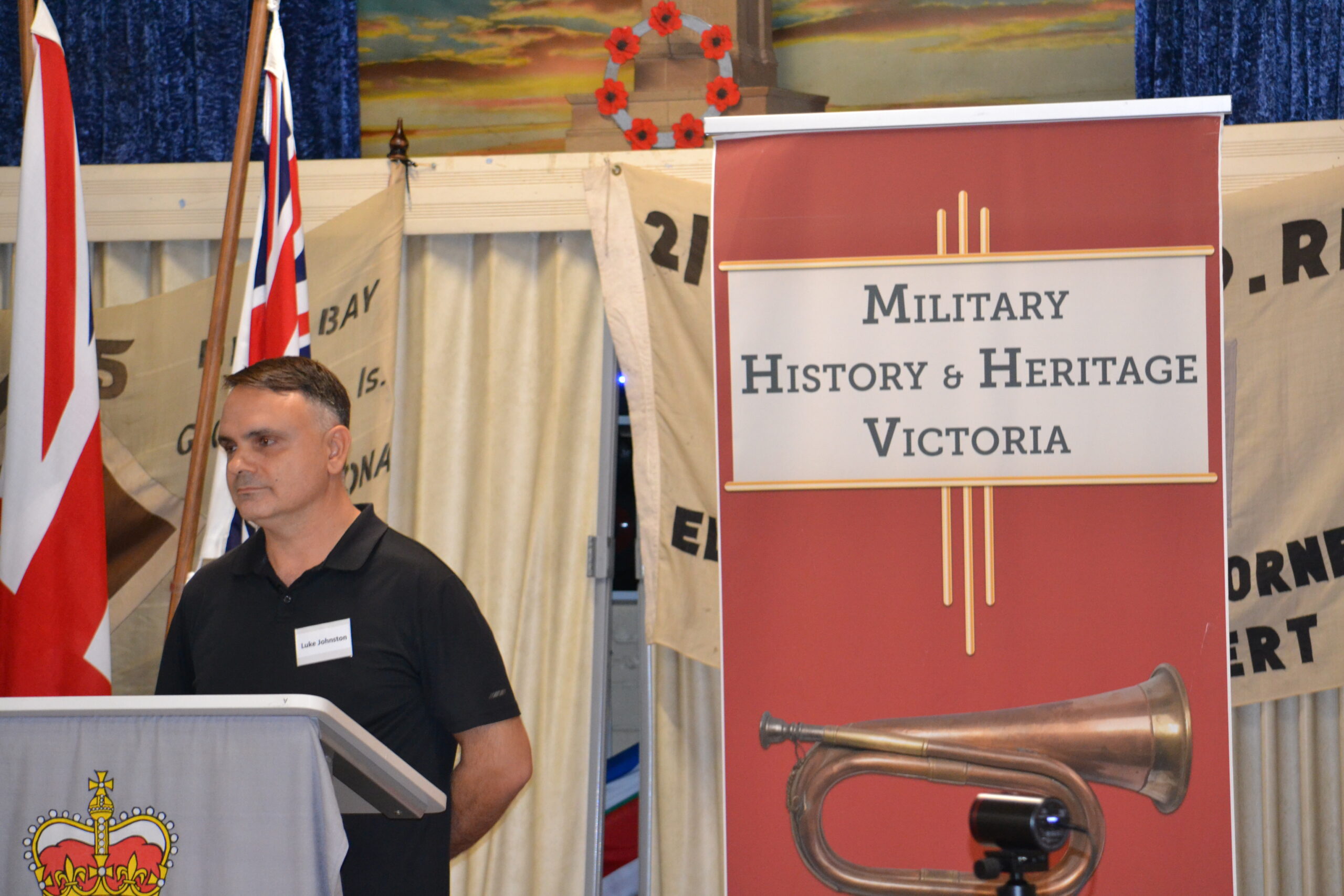
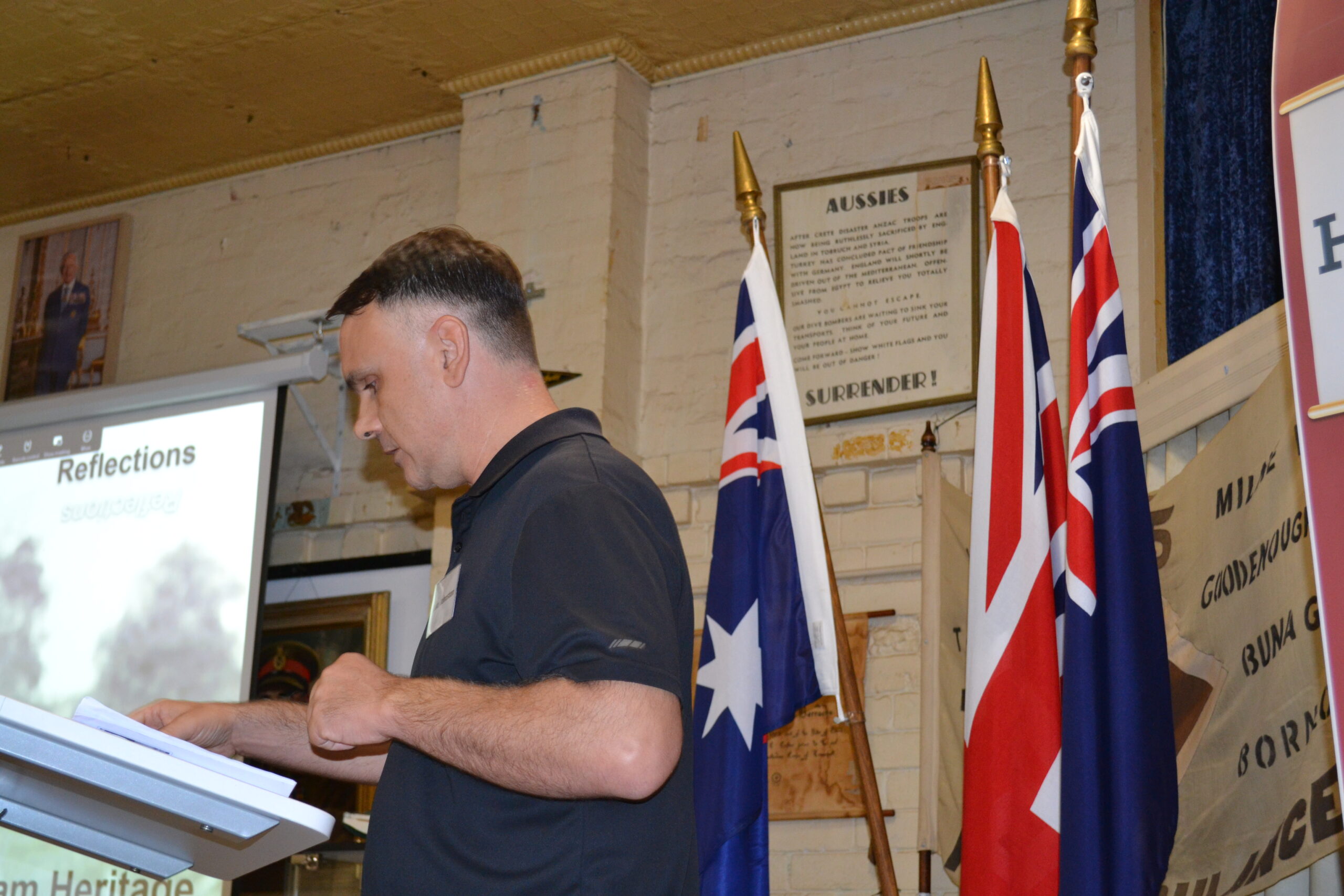
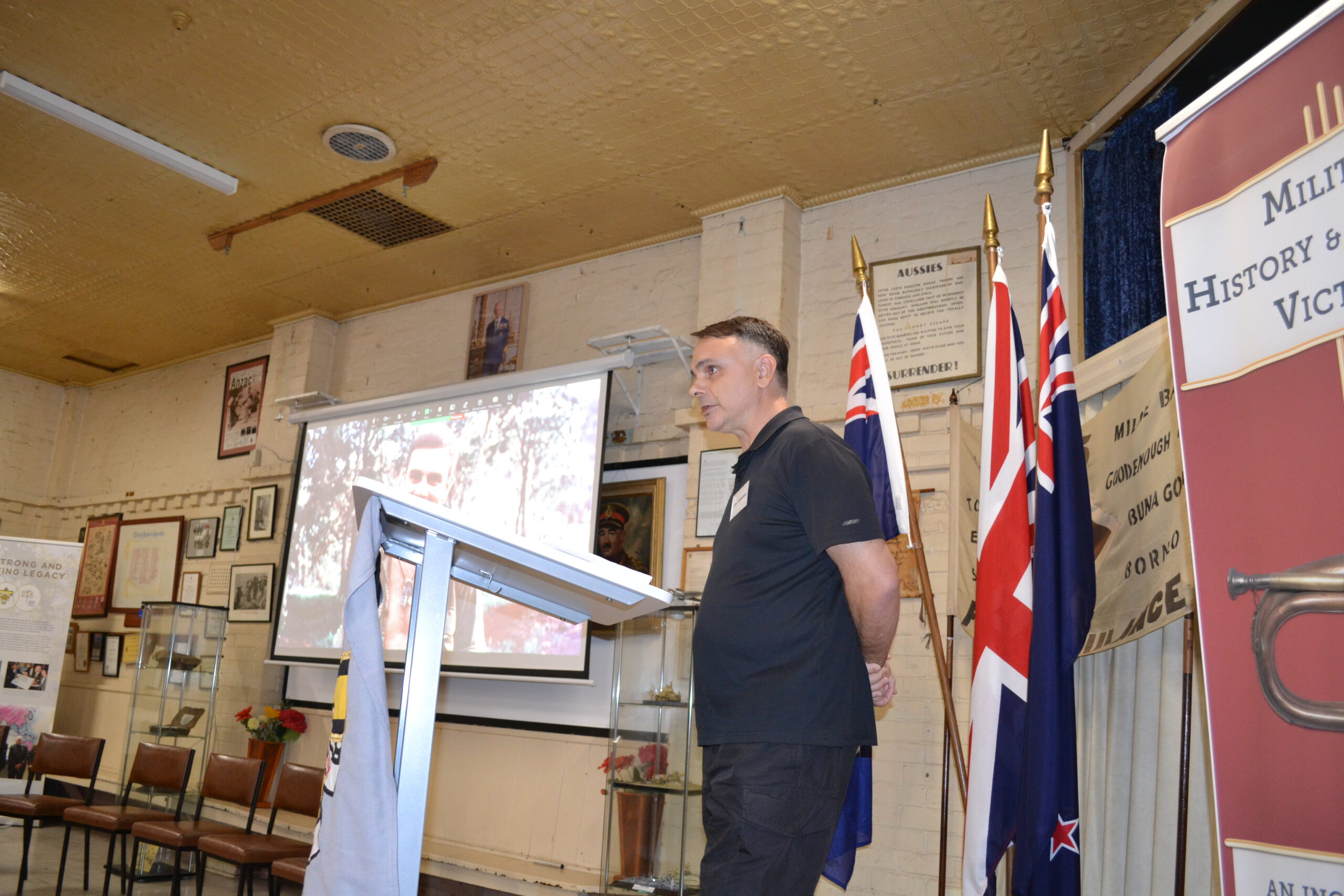
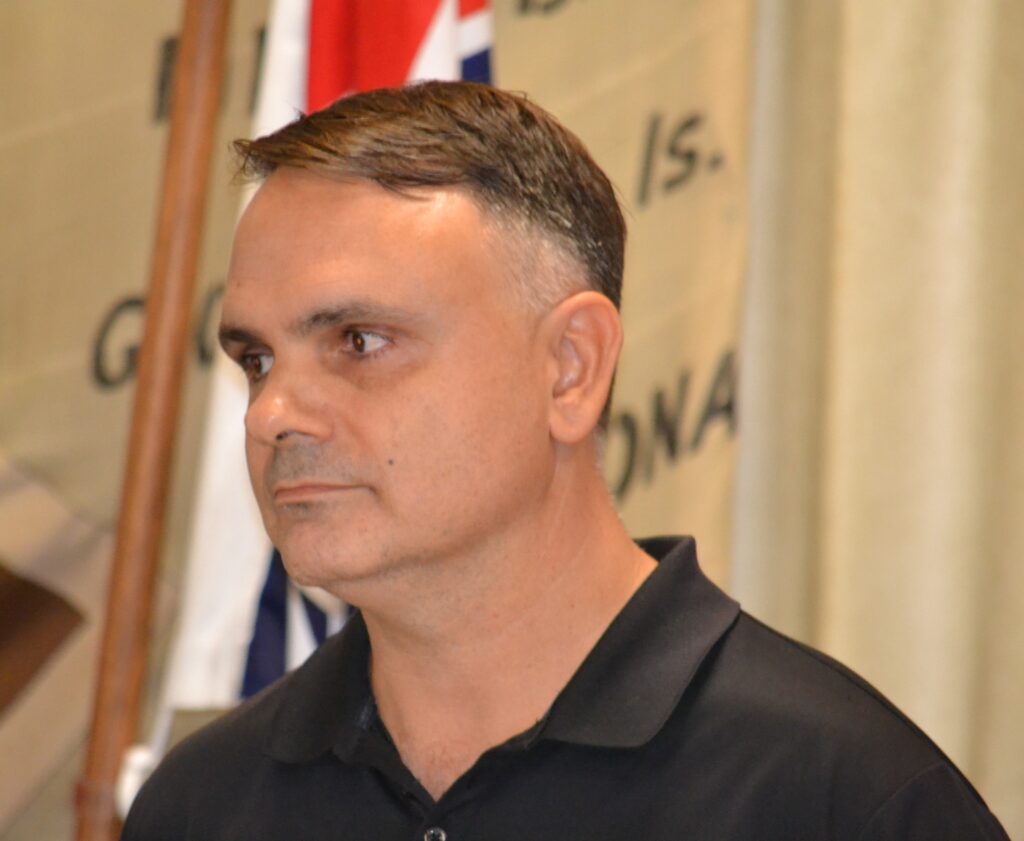 To bring the two days to an end Luke Johnston presented on the recovery of missing Vietnamese soldiers buried in a mass grave at the 3RAR Defensive Position Balmoral during the Vietnam War. He detailed how his decade-long research led to a successful search in 2014-2015, where 20 sets of human remains were found and treated with respect before being buried at the provincial martyr cemetery. The presentation highlighted the use of geospatial analysis and on-ground research to locate the site, with the discovery made possible through collaboration with local Vietnamese authorities and veterans.
Major-General Jim Barry AM MBE RFD ED (Rtd) gave his closing remarks outlining all that we had heard and all those who contributed to make these two days and outstanding conference.
SATURDAY 16 MAY 2026
8:30 – 9:00 am | Conference Registration
9:00 – 9:10 | Opening Remarks and Introductions
Major-General Jim Barry AM MBE RFD ED (Rtd)
Conference Chair and MHHV Patron
Session Chair: Lieutenant Colonel (Rtd) Mike Buckridge RFD, President MHHV
Keynote Address
International Speaker
9:10 – 09:50 | War’s end and normalisation of relations (PDF)
Dr Stephen F. Maxner
Director, Vietnam Center & Sam Johnson Vietnam Archive, Texas Tech University, USA
10:30 – 11:00 | Morning Tea
11:00 – 1:00 | Session 1 – Highways to a War (Koch)
Session Chair: Lieutenant-Colonel Murray Duckworth CSM, Vice-President MHHV
11:00 – 11:40| Hell in a very small place (Fall): Dien Bien Phu (PDF)
Dr Andrew Kilsby
MHHV, professional historian and published author
11:40 – 12:20 | An Army Transformed? The Australian Army’s Road to Vietnam, 1953-1965 (PDF)
Dr Thomas Richardson
Lecturer, Australian Defence Force Academy at UNSW Canberra; author Destroy and Build Pacification in Phuoc Tuy, 1966–1972
12:20 – 1:00| Through the Air Power Lens – The Failure of Western Military Power in the Vietnam War (PDF)
Martin James, MDefStud
Historian, former Head of the Office of Air Force History and author The Origins of the RAAF Commitment to the Vietnam War
1:00 – 1:45 | Lunch
1:45 – 2:45 | Session 2 – The Road Not Taken (Boot)
Session Chair and Moderator: Major-General (Rtd) Mike O’Brien CSC
1:45 – 2:25| Round Table:
Was this a winnable war? And if not, what were the alternatives?
Panel: Steve Maxner, Tom Richardson, Martin James, Nathalie Nguyen
2:25 – 3:00| The Literature of the Vietnam War Redux (PDF)
Major-General (Rtd) Mike O’Brien CSC
President, Royal United Services Institute; author Conscripts and Regulars: with the Seventh Battalion in Vietnam and Vietnam veteran
3:00 – 3:30 | Afternoon Tea
3:30 – 5:00 | Session 3 – New Perspectives: ARVN
Session Chair: Dr Daryl Moran, MHHV
3:30 – 4:10| Pioneers: Female Soldiers in South Vietnam (PDF)
Professor Nathalie Huynh Chau Nguyen
Professor of History, Monash University and author South Vietnamese Soldiers: Memories of the Vietnam War and After
4:10 – 4:45 | Reflections: The Impact of the War on Veterans and Communities (PDF)
Dinh Nguyen
Past President Vietnamese Veterans Association and ARVN veteran
4:45 |Convenor – end of day, dinner and next day
SUNDAY 17 MAY 2024
9:00 – 10:15 | Session 4 – One Crowded Hour (Bowden)
Session Chair: Lieutenant Colonel Michael Buckridge RFD (Rtd), President MHHV
9:00 – 9:40 | An Analysis of Australian Operations (PDF)
Dr Bob Hall
Adjunct Lecturer, ADFA at University of NSW Canberra; author of Combat Battalion: The Eighth Battalion in Vietnam; co-author (with Andrew Ross and Amy Griffin) of The Search for Tactical Success in Vietnam, and Vietnam veteran
9:40 – 10:15 | Cadres, Sappers and Spies – Viet Cong infrastructure in Phuoc Tuy province (PDF)
WO1 Blair Tidey
ADF Warrant Officer and PhD candidate ANU; author of Forewarned, Forearmed
10:15 – 10:45 | Morning Tea
10:45 – 11:55 | Session 5 – One Crowded Hour II
Session Chair: Lieutenant-Colonel (Rtd) Murray Duckworth CSM, Vice-President MHHV
10:45 – 11:20| Just Another Day in the Delta: EMUs in Vietnam (PDF)
Commander Max Speedy DSC RAN (Rtd)
Editor with Bob Ray of A Bloody Job Well Done; and Vietnam veteran
11:20 – 11:55| Long Tan: Memories, Myths and Reality (PDF)
Brigadier Kevin O’Brien CSC (Rtd) (‘Go for it!’: Kevin O’Brien’s Long Tan)
Historian, published author, Vietnam veteran.
12:00 – 1:00 | Lunch
1:00 – 2:20 PM | Session 6 – One Crowded Hour III
Session Chair: Daryl Moran MHHV
1:00 – 1:40| Round Table:
Was the Australian air, sea and land contribution to the war effective, measurable and recognised? Could more have been done?
Moderator: Dr Stephen F. Maxner, TTU
Panel: Bob Hall, Blair Tidey, Max Speedy, Kevin O’Brien, David Webster, Martin James.
1:40 – 2:20 |The Son Tay Prison Raid David Richardson GPCAPT RAAF (Ret’d) (PDF)
2:20 – 3:00 |Forged in Adversity: The Ivor Hodgkinson Story (PDF)
Brigadier David Webster AM CSC (Rtd)
Author 7 RAR: The two Tours of Vietnam – through a Soldier’s Lens, and Vietnam veteran.
3:00 – 3:30 | Afternoon Tea
3:30 – 5:00 PM | Session 8 – Vietnam Fragments
Session Chair: Dr Daryl Moran, MHHV
3:30 – 4:10 | Coming Home: Australia’s Vietnam Veterans and the Legacies of their War (PDF)
Craig Tibbitts, MPhil
Senior Historian, Military History Section, Australian War Memorial
Published author and Research assistant to Peter Yule’s The Long Shadow:
4:10 – 4:50| Old Enemies Unite: Recovering the Dead of Coral-Balmoral (PDF)
Luke Johnston
Son of 3 RAR veteran, researcher, historian, battlefield tour leader and director-at-large of US-based charity, Healing Through History
4:50 – 5:00 | Closing Remarks
Major-General Jim Barry AM MBE RFD ED (Rtd)
Conference Chair and MHHV Patron
Conference Sponsors:


Click on an image to see it in complete un-edited form.
Contact Jason McGregor about this article.